They want to know what’s in the air they’ll breathe, the materials in the walls, and the long-term health risks that may be hiding in plain sight.
At Home & Commercial Inspections LLC, we’re seeing that shift up close. Environmental inspections—for asbestos, radon, lead, and mold—are no longer niche. They’re quickly becoming part of a new standard in home buying. And if inspectors want to stay relevant in today’s market, they’ll need to catch up.
A Generation That Wants Answers, Not Assumptions
The average real estate agent or home inspector often overlooks environmental hazards, either due to outdated training or the belief that these issues are no longer common. But for buyers in their 20s, 30s, and early 40s, these concerns are front and center. They’ve grown up hearing about the dangers of indoor air quality from byproducts of environmental hazards in the air, as well as chronic health conditions caused by toxic materials in everyday environments.
Now that they’re buying homes—many of which are over 40 years old—they’re not willing to settle for guesses. They want proof, testing, and actionable results. And they’re driving a quiet but powerful shift in the housing market toward environmental due diligence.
Why the Standard Home Inspection Isn’t Enough
A traditional home inspection covers major systems like HVAC, roofing, plumbing, and structural integrity. These inspections are essential—but they may not include testing for environmental hazards unless specifically requested.
That’s where gaps in safety occur. These four environmental risks—asbestos, radon, lead-based paint, and mold—pose long-term health consequences and can dramatically affect the safety, livability, and resale value of a home. And because they are often invisible, odorless, or hidden behind walls and under floors, they’re easy to miss without specialized inspection.
The Real Risks of Asbestos, Still Present in Ohio Homes
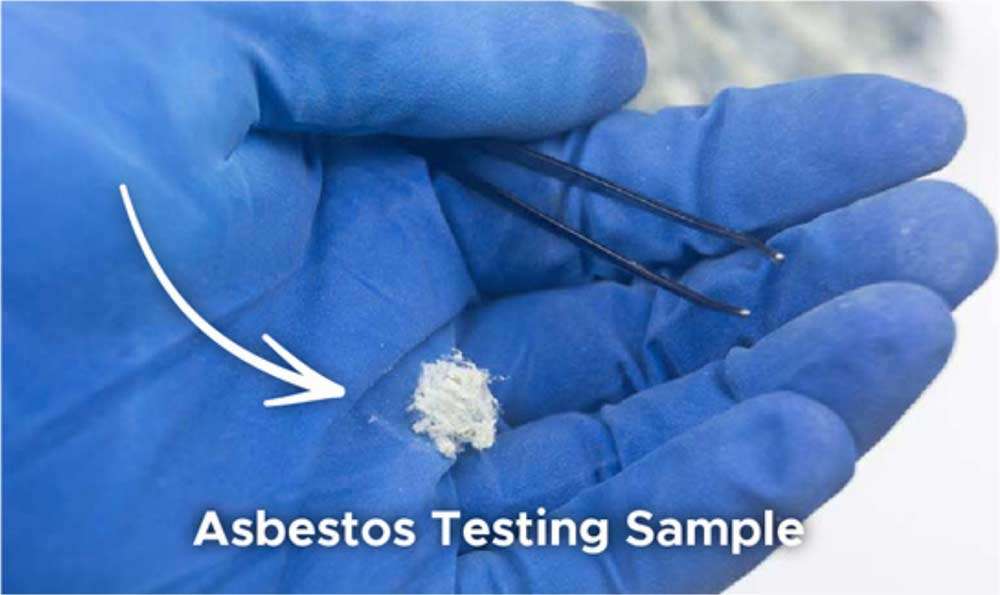
Asbestos, once common in insulation, tile, ductwork, roofing, and siding, wasn’t phased out until the late 1980s. In homes built before then, asbestos is often still present—undisturbed but dangerous.
Exposure to asbestos fibers can lead to serious illnesses such as lung cancer, asbestosis, and mesothelioma. Contrary to popular belief, it is not illegal to have asbestos in a home; however, disturbing it during renovations or repairs can release fibers into the air.
At Home & Commercial Inspections LLC, we conduct asbestos building assessments in compliance with Ohio EPA. Our inspections are independent and unbiased—we do not offer remedial services and have no financial stake in the results, which ensures our clients receive accurate reporting.
Radon: A Silent Threat in Ohio Soil
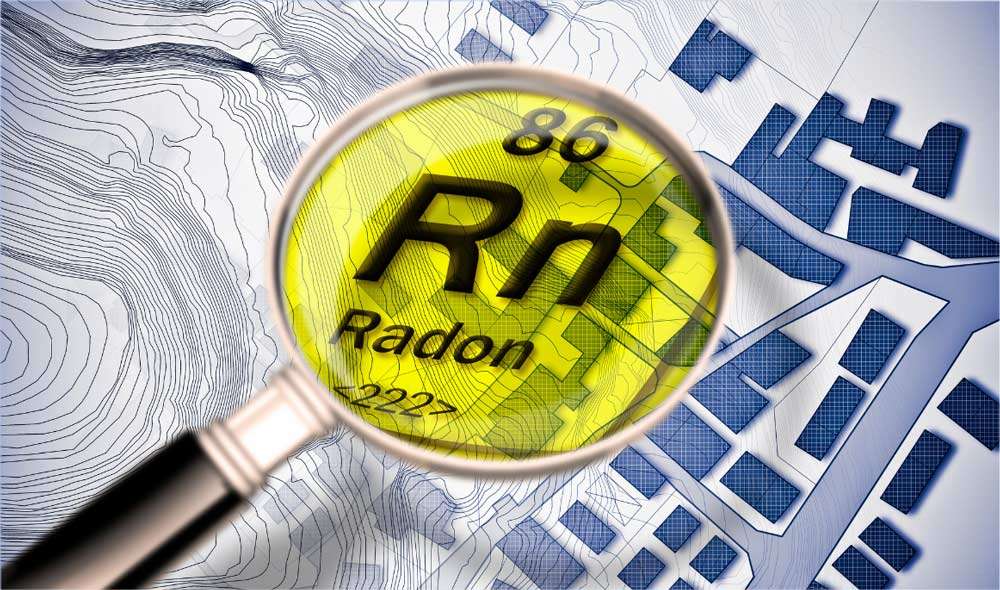
Radon is a naturally occurring radioactive gas that enters buildings through soil and foundation cracks. It’s the second leading cause of lung cancer in the U.S., yet it often goes undetected unless specifically tested.
Ohio is a high-risk radon state, and levels can vary drastically from home to home—even next door to one another. Radon is particularly problematic in basements, crawl spaces, and lower levels, where air circulation is limited.
For buyers, especially those with children or plans to renovate a basement, a professional radon test is essential. For multifamily housing or HUD-assisted properties, radon testing is required by law. We are fully licensed to conduct radon testing for both residential and commercial buildings across Ohio.
Lead-Based Paint: A Persistent and Costly Problem
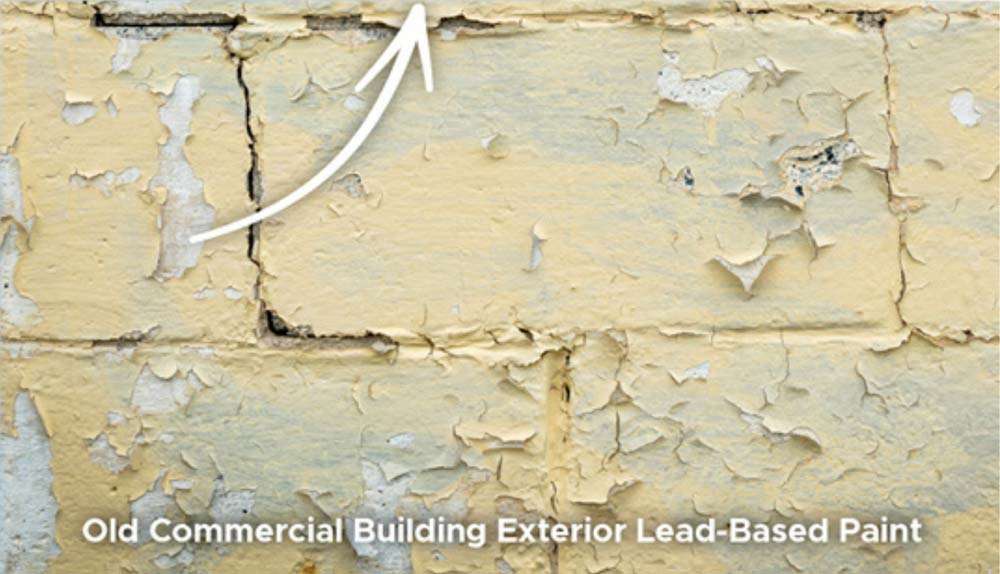
In Ohio, nearly two-thirds of homes were built before 1978, the year the federal government banned lead-based paint in residential properties. This means thousands of homes still contain lead hazards—especially in windows, doors, and exterior surfaces where paint is more likely to chip or peel.
Lead dust is extremely toxic, particularly to children and pregnant women, and is linked to developmental delays, learning difficulties, behavioral issues, and reproductive problems. Ohio is currently investing $84 million in lead hazard control, and many counties are enforcing stricter rules for renovation and tenant safety. A licensed lead risk assessor is required to test for lead and help owners comply with state law.
We offer professional lead-based paint inspections and risk assessments in full accordance with Ohio regulations.
Mold: A Common and Often Misunderstood Health Hazard
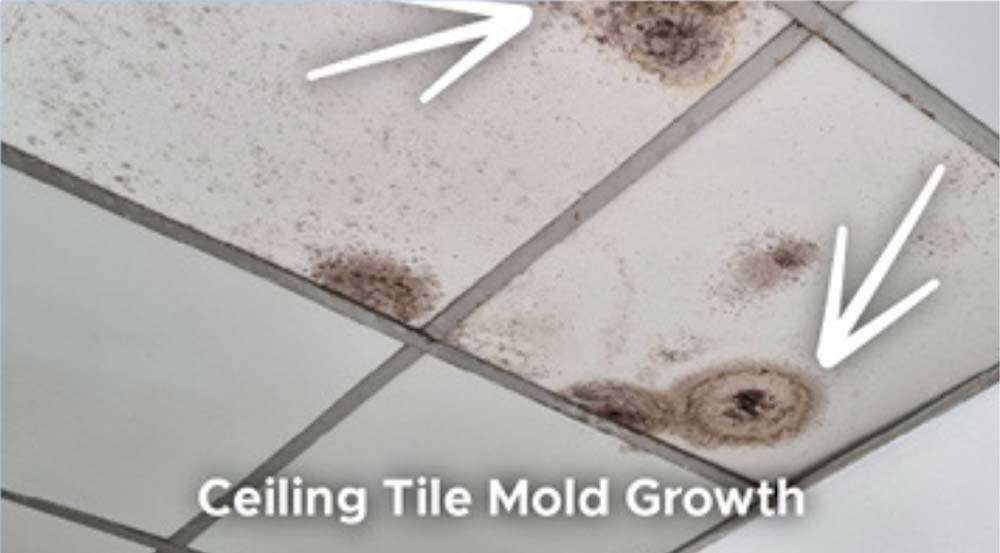
Mold can develop anywhere there is moisture—behind drywall, inside HVAC systems, under floors, and in basements or attics. Left untreated, it can lead to respiratory problems, allergies, fatigue, and memory issues.
Despite what many assume, not all mold is visible or musty smelling. In fact, many serious infestations go unnoticed until someone gets sick—or until it’s discovered during an inspection.
Our team offers independent mold testing to identify mold type, concentration, and health risk. We do not offer remediation, so our findings are unbiased and focused solely on helping buyers make safe, informed decisions.
The New Standard: Environmental Inspections Are No Longer Optional
Homebuyers today are not just shopping for square footage and curb appeal—they’re buying health, safety, and peace of mind. That means the home inspection industry needs to evolve, and fast.
General home inspections alone are no longer enough. As more buyers request environmental testing, inspectors who fail to adapt risk falling behind. This is especially true in competitive markets like Columbus, Cincinnati, Dayton, and the surrounding areas.
For home inspectors, adding environmental services is not just a smart business move—it’s a necessary one. Specialized certifications in radon, asbestos, lead, and mold can open new opportunities, meet real demand, and ensure long-term viability in an increasingly health-conscious housing market.
The future of home inspections is here. Gen Z and Millennial buyers are setting new expectations. It’s time the rest of the industry caught up.