
Annual electrical inspections for manufacturing and industrial facilities. What inspectors check, why thermal imaging matters, and how to meet insurance requirements.
Insurance companies now require annual electrical inspections for manufacturing facilities, hospitals, institutional buildings, and large commercial properties. HC Inspectors provides thermal imaging and standard electrical inspections for insurance policy applications, renewals, and insurer-requested compliance documentation. Our inspections identify overheated connections, loose equipment, and deteriorating components that standard visual inspections miss, helping facilities meet insurance requirements and prevent fire hazards.
Insurance companies now mandate annual electrical inspections for manufacturing facilities, hospitals, institutional buildings, and large multifamily commercial properties. This requirement exists because electrical failures are a leading cause of industrial fires, and fires mean claims.
An electrical panel inspection identifies fire hazards before they develop, protecting both the facility and the insurer. When you can show your insurance company that you maintain your electrical systems through regular inspections, it strengthens your policy position and may help with claims involving electrical issues.
This is why the inspection is often required for:
If your insurance company has requested an electrical inspection, HC Inspectors can provide a scope that matches their requirements. You can upload your insurer’s inspection request here to ensure we match exactly what they need.
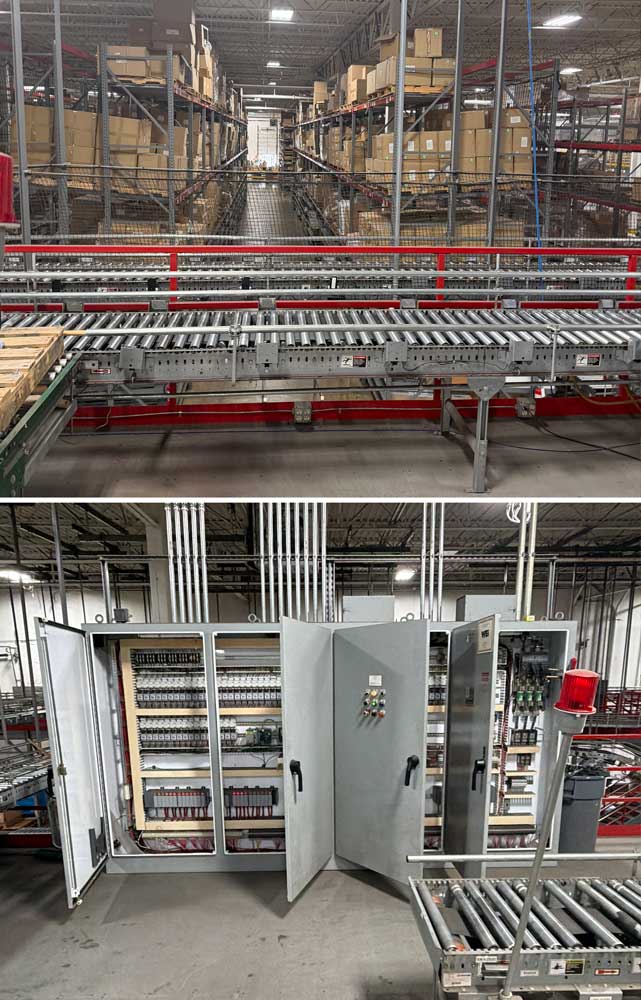
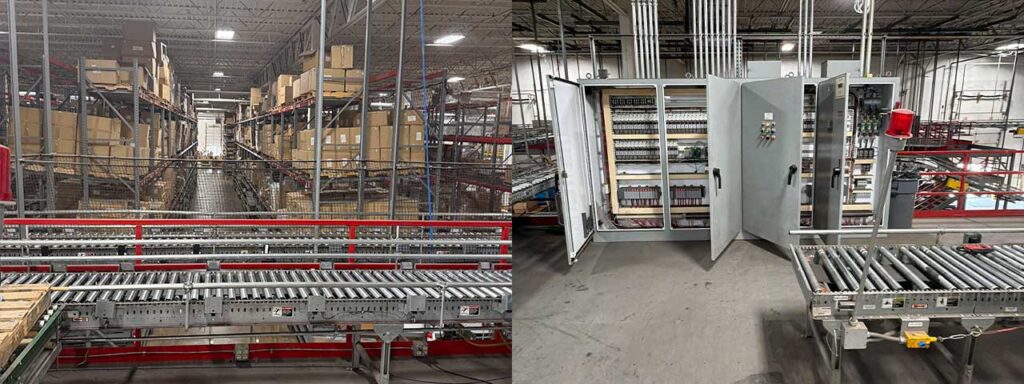
An infrared electrical scan will detect temperature anomalies invisible to the naked eye, picking up problems that can be missed through a purely visual inspection. When equipment is under normal loads but components show different temperatures, this can indicate an anomaly.
Thermal imaging works by detecting infrared radiation emitted by all objects. Inspectors use specialized thermal cameras to scan the electrical system while it is operational. This is critical because problems often only show up under load.
The scanning process generates a thermal map showing temperature gradients, overheated areas, and potential defects. By pinpointing areas with excess heat due to increased resistance, the inspection helps address components before they potentially fail.
Standard electrical inspections look at panels visually. They check for visible corrosion, loose covers, and damaged components. This catches obvious problems.
Thermal imaging goes deeper. It detects equipment operating at elevated temperatures before visible damage appears. This is the difference between:
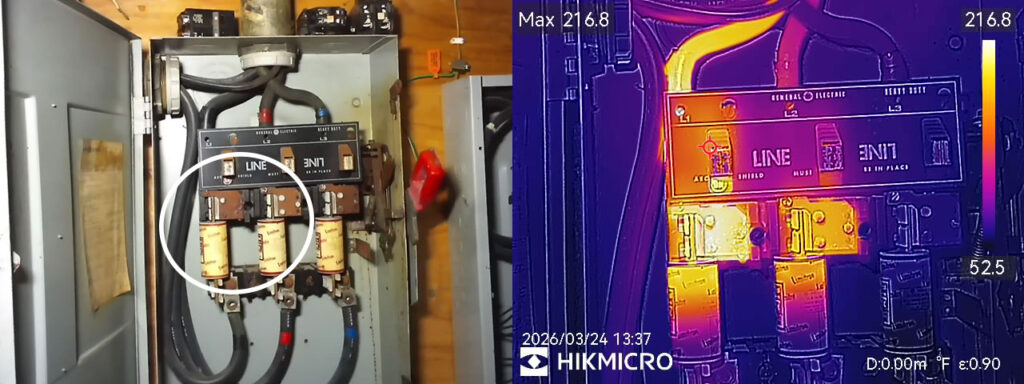
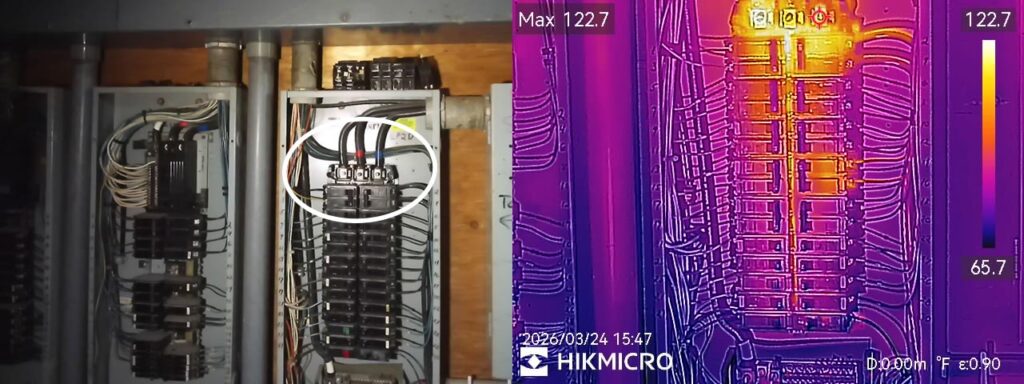
When your insurance company requests an electrical inspection, they want to know about the condition of equipment that could start a fire or fail unexpectedly. The inspection evaluates:
What the inspection does NOT include: Detailed diagnosis of complex faults, disassembly of equipment, or specialized testing. Those require a licensed electrician.
What you receive: A report documenting observed conditions, photographs, and findings. This report supports your insurance company’s review and your facility’s maintenance planning.
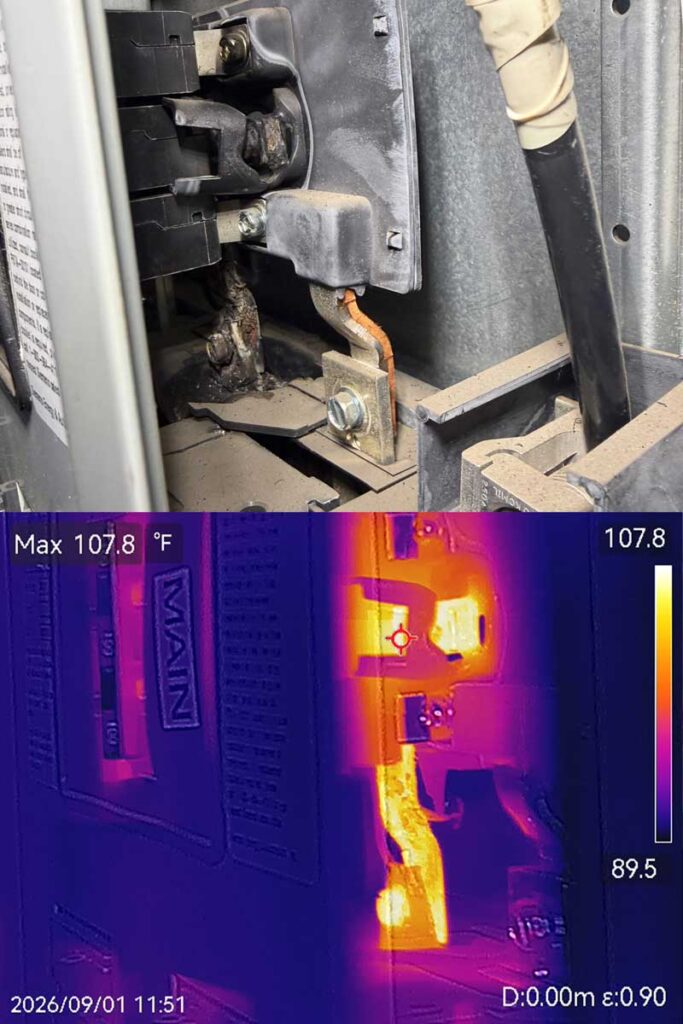
During a recent thermal imaging inspection of a manufacturing plant, we found a melted bus bar in the main electrical panel using thermal imaging. The component was running significantly above normal temperature due to a loose connection. This overheating would have progressed to an electrical failure or fire within weeks.
A standard visual inspection would have missed this entirely. The corrosion was not visible from the outside. The thermal image made it clear: this equipment was at risk.
The facility provided the thermal inspection report to their insurance company, documenting the hazard we found and the corrective action they took. That report supported their compliance with the insurance requirement.
This discovery prevented a potential facility shutdown, equipment loss, and worker safety risk. It demonstrates exactly why insurance companies require annual thermal imaging inspections for manufacturing facilities. Equipment failure doesn’t announce itself. It happens in stages, and thermal imaging catches those stages before they become emergencies. Without the thermal image, the facility would have continued operating with a hidden risk in their electrical panel. The early detection made the repair straightforward and low-cost.
Regular inspections are crucial to ensure that your facility (whether manufacturing, hospital, institutional, or large commercial) maintains safe electrical systems and meets insurance requirements. For your facility, our inspectors provide thorough, detailed, and simple-to-read electrical inspection reports.
We are certified and experienced inspectors with years of real-world experience in commercial and industrial electrical systems. We have used infrared technology to scan hundreds of pieces of electrical equipment in manufacturing plants, hospitals, commercial buildings, and industrial facilities.
The results of our inspections can be submitted directly to your insurance provider, incorporated into your preventive maintenance program, or used to support corrective action documentation.
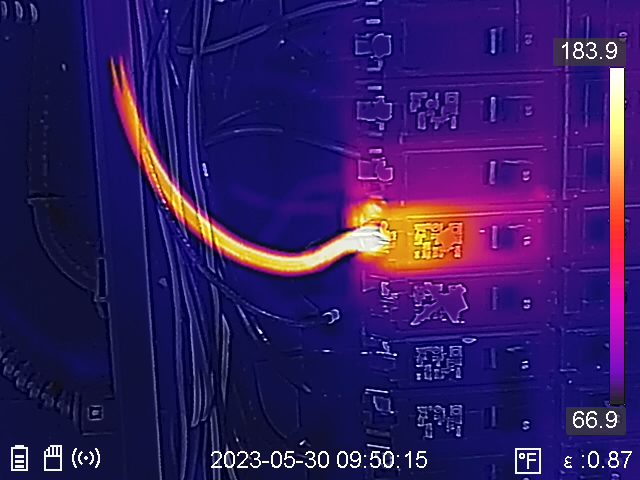
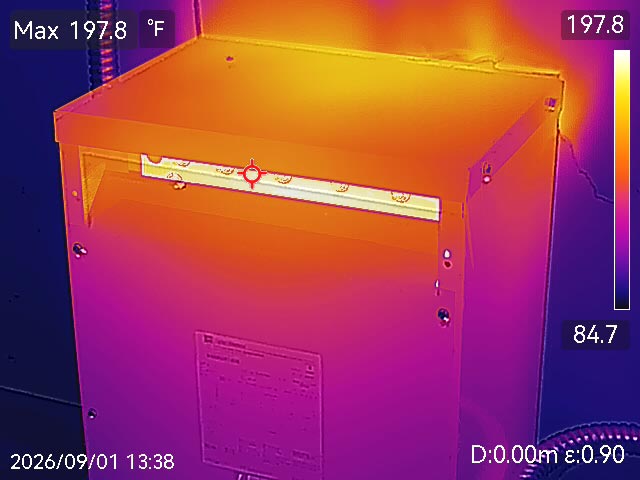
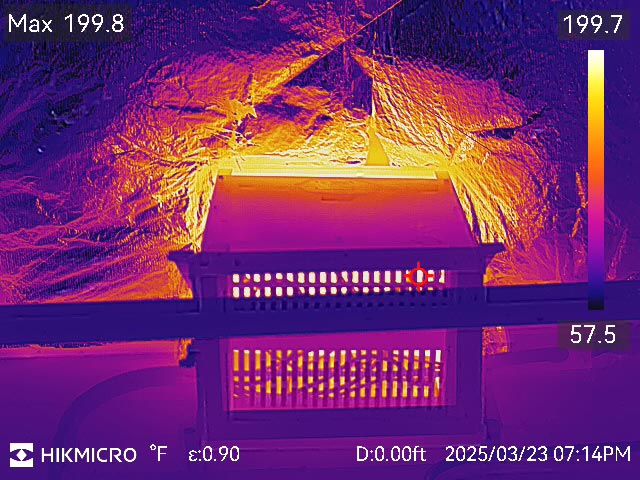
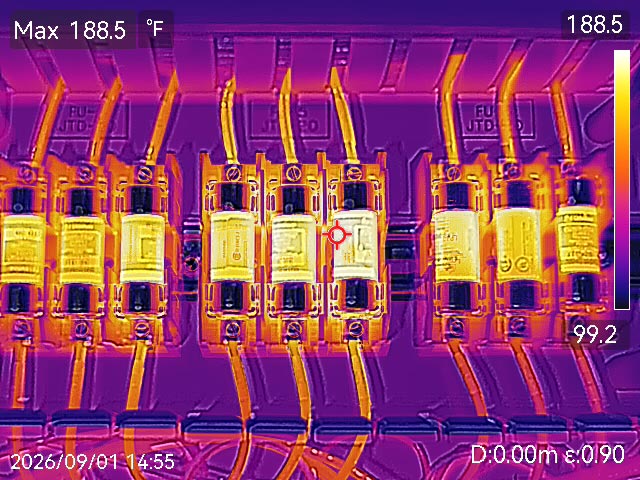
Securing the safety and integrity of your facility is crucial, especially when it comes to preventing fires. Beyond the immediate risks to operations and safety, fires can inflict substantial financial losses and business interruption.
Thermal imaging inspection is an effective, non-invasive method to identify electrical faults before they become fire hazards. This technology allows inspectors to scan electrical components, particularly in challenging and inaccessible areas such as breakers, connections, wiring, switches, and motor control centers.
Thermal imaging inspections:
Regular electrical inspections using thermal imaging protect your facility by detecting potential issues early. Advanced thermal cameras identify anomalies and heat patterns in electrical systems, pinpointing components operating at elevated temperatures.
Spotting these hotspots early enables timely intervention, stopping problems from developing into more severe issues like equipment damage, electrical failures, or fire hazards. This proactive approach not only prevents unexpected downtime but also reduces the risk of costly replacements or repairs.
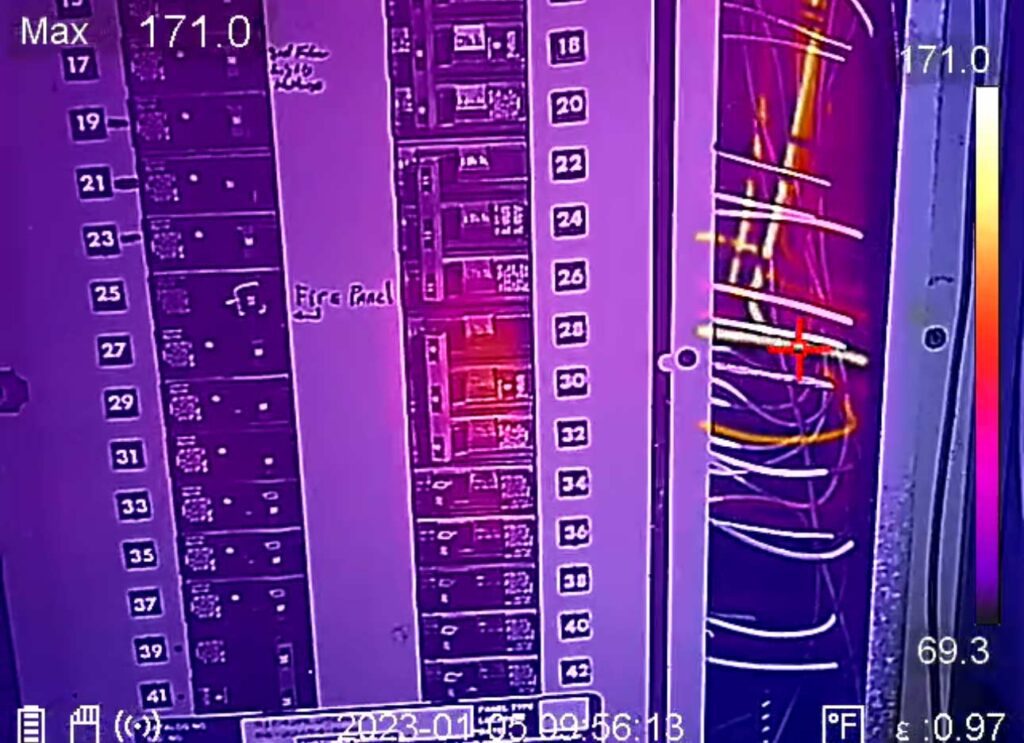
When you document the condition of your electrical systems through regular inspections, you create a maintenance history. This record supports insurance compliance and helps you budget for necessary upgrades or repairs before they become emergency situations.
By establishing a pattern of regular thermal imaging inspections, your facility builds evidence of proper maintenance and system care. This documented history becomes valuable not just for insurance claims, but for planning capital improvements and scheduling corrective work before equipment fails during critical production periods.
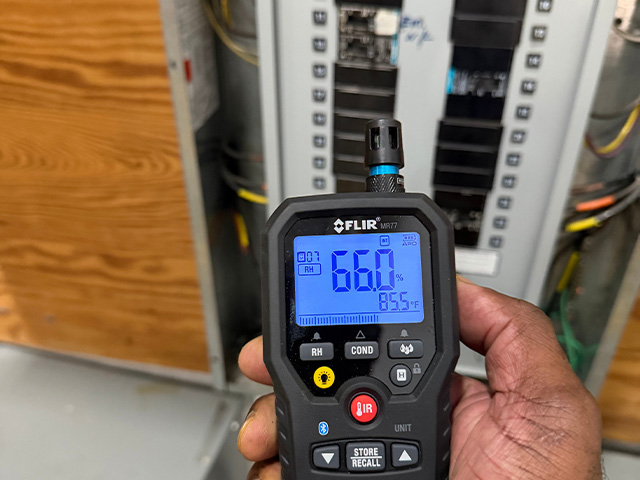
Well-maintained electrical systems operate more predictably and reliably, reducing the likelihood of unexpected failures during critical operations. When components are monitored regularly through thermal imaging, you catch deteriorating equipment before it compromises system performance.
A reliable electrical infrastructure means fewer emergency repairs, less downtime, and more consistent power delivery to your manufacturing processes and automated equipment. Thermal inspections identify which components are stressed or nearing failure, allowing you to replace or repair them on your schedule rather than during an unplanned outage.
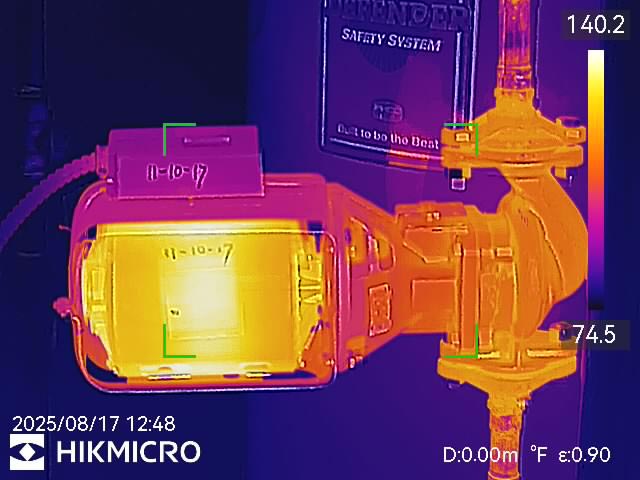
Fire prevention and electrical safety are non-negotiable for any facility. Regular inspections directly support these goals by identifying hazards before they reach critical levels. Overheated connections, loose terminals, and deteriorating components can all lead to electrical fires, especially in environments where equipment runs continuously under heavy loads.
Thermal imaging inspections provide documented proof that you are actively monitoring for fire risks and addressing them systematically. This commitment to safety protects your employees, your facility, your equipment, and your insurance position. When you can show your insurance company regular inspection reports with thermal data, you demonstrate that fire prevention is not an afterthought but a core part of your facility operations.
Overheated connections and loose equipment consume more power and generate waste heat. Addressing these issues through inspection findings can improve overall system efficiency. When electrical components run hotter than they should, they require more current to operate, driving up energy costs and reducing system lifespan.
Thermal imaging reveals exactly which connections are inefficient and where heat is being wasted in your electrical system. By correcting these issues, you lower energy consumption, reduce operating costs, and extend the life of your electrical equipment. The savings from improved efficiency often offset the cost of the inspection itself, making thermal imaging a smart investment for both safety and operational economics.
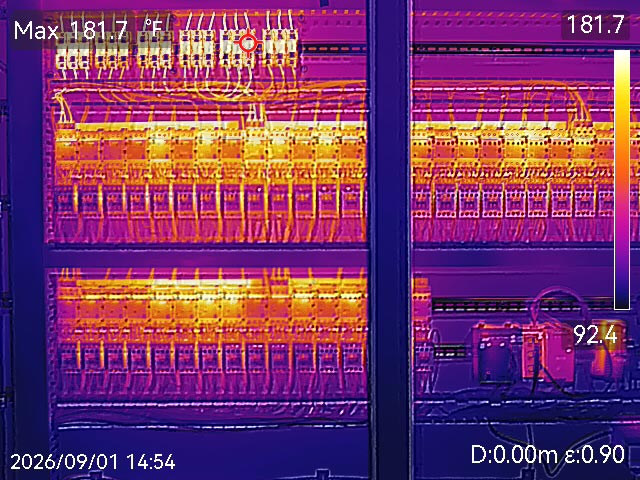
In an infrared electrical inspection, thermal cameras detect temperature variations using infrared (IR) light. Although this light is invisible to the naked eye, it manifests as heat. Infrared radiation (emitted by all objects) is the fundamental method the cameras use to detect heat transfer.
Inspectors utilize these cameras to scan the electrical system and components while they are operational. This scanning process generates a thermal map illustrating temperature gradients, overheated areas, and potential anomalies or defects.
Identifying defects in connections and components causing hotspots is a key aspect of this method. By pinpointing areas with excess heat due to increased resistance, the inspection helps address components before they fail. This proactive approach is essential to prevent damage, productivity loss, and safety hazards.
Inspectors focus on crucial electrical aspects:
1. Hotspots
Identifying abnormal temperature patterns signals potential issues like overloaded circuits, loose connections, or faulty components, increasing the risk of fires. These are the primary red flags captured by thermal imaging.
2. Overloaded Circuits
Circuits carrying more current than designed generate excessive heat. Thermal imaging reveals this before visual damage appears.
3. Loose Connections
Poor electrical connections create resistance, generating heat. Thermal imaging detects them immediately.
4. Faulty Components
Degraded breakers, fuses, switches, and other components often run hot before they fail. Early detection prevents failure.
In 2023, the National Fire Protection Association (NFPA) elevated NFPA 70B from a “Recommended Practice” to a mandatory “Standard.” This change carries significant weight.
NFPA 70B now requires organizations to establish, implement, and operate an Electrical Maintenance Program (EMP). For manufacturing facilities, hospitals, institutional buildings, and large multifamily complexes, this standard sets the minimum requirements for electrical equipment maintenance and inspection.
While NFPA 70B is not a legal code like the National Electric Code (NEC), it carries weight with insurance companies and can be used by OSHA as a foundation for citations. This means:
The bottom line: Your insurance company requires electrical inspections because NFPA 70B now mandates them. HC Inspectors’ thermal imaging approach aligns with these standards.
Loose or corroded connections create resistance, generating heat. Under load, these hotspots can escalate quickly. Thermal imaging reveals them before visual damage appears.
What this means for insurance: Documentation of overheated connections is exactly what insurance companies want to see. It proves that you’re identifying and addressing fire risks.
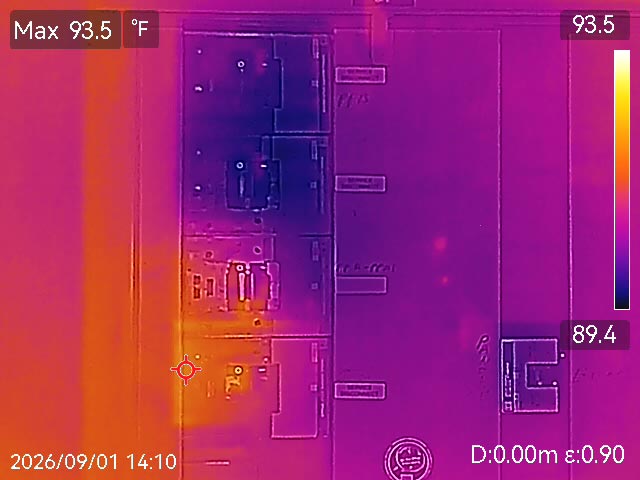
Corrosion on electrical contacts increases resistance and heat. This is particularly common in facilities with moisture, vibration, or environmental exposure.
Water around electrical equipment accelerates deterioration and creates safety hazards. Moisture can indicate drainage problems, seal failures, or environmental conditions.
Breakers, fuses, switches, and other components degrade over time. Age, vibration, thermal cycling, and environmental factors all contribute. Thermal imaging helps identify components nearing failure.
Even relatively new equipment can have problems if installation was incorrect. Previous repairs or modifications may not meet current code standards. Documenting these through inspection supports your maintenance planning.
Manufacturing facilities, hospitals, and industrial buildings operate electrical systems constantly and often under heavy loads. This creates wear and heat that offices or light commercial spaces do not experience.
Insurance companies recognize this reality. They require annual inspections for industrial facilities because:
These cost-effective inspections deliver thorough results. An annual infrared electrical inspection is a wise move to protect against fire hazards, support insurance compliance, and maintain operational reliability, backed by the National Fire Protection Association’s NFPA 70B standard.
If your insurance company has requested an electrical inspection, contact HC Inspectors for a quote. We understand insurance requirements and can tailor the scope to match exactly what your insurer needs.
Schedule your electrical inspection, we provide reports that insurance companies expect and your facility needs.
Insurance companies require electrical inspections to document that electrical systems are maintained and fire-safe. NFPA 70B now mandates these inspections for commercial, industrial, institutional, and large multifamily facilities. The inspection protects both you and the insurer.
Annually. NFPA 70B and most insurance companies require annual inspections for manufacturing, hospitals, institutional buildings, and large commercial properties.
The inspection report documents findings. You then work with a licensed electrician or your maintenance team to address issues. The key is identifying problems while they’re correctable, before they cause failures or fires.
Yes. Thermal imaging actually requires equipment to be under load to be most effective. Problems often only show up when equipment is running normally.
This depends on the size and complexity of your facility. A typical commercial or industrial electrical inspection takes 2 to 4 hours. We work with your schedule to minimize disruption.
Inspection costs vary based on facility size and scope. Contact HC Inspectors for a quote. Remember: the cost of an inspection is far less than the cost of an electrical fire or unplanned equipment failure.
No. We conduct inspections while systems are operational. We do not interrupt production or require facility shutdowns.
You receive a detailed, photographed inspection report documenting equipment condition, thermal findings, observed issues, and recommendations. This report is formatted for insurance company review and your own maintenance records.
Yes. If an electrical issue occurs, a prior inspection report documenting the condition of equipment supports your claim and shows you maintained systems properly.
Contact us with your insurer’s inspection request. We can tailor the scope and report format to meet their exact requirements.
Yes. Thermal imaging is included in our electrical inspections. This is what differentiates a thorough inspection from a visual-only check.
Yes. We can provide anonymized sample reports and references from other facilities we’ve inspected. Contact HC Inspectors to request these.
An electrical inspection is not an optional task or compliance checkbox. It is a fire prevention and business protection tool.
For Columbus and Central Ohio facilities, a professional electrical inspection, including thermal imaging, can identify hazards before they become costly failures or fire emergencies. Combined with documentation from the inspection, you strengthen your insurance position and your facility’s safety record.
Contact HC Inspectors or upload your insurer’s inspection request. We understand what insurance companies need and what your facility requires.
HC Inspectors provides thermal imaging electrical inspections for manufacturing facilities, hospitals, institutional buildings, and large commercial properties throughout Columbus and Central Ohio. We also inspect the other major systems in your facility (roof, electrical, plumbing, HVAC, and structure) if you need a comprehensive facility assessment.