A Buyer's Guide To Home Inspections

A Personalized Guide for Home Buyers
I. OHIO STANDARDS OF PRACTICE OF LICENSED HOME INSPECTORS.

The Ohio Administrative Code Rule 1301: 17-1-17, the practice that regulates the home inspection practice in the state, specifies the minimum standards that licensed home inspectors must meet. These regulations are made to guarantee the safety, professionalism, and holiness of the inspection procedure, besides safeguarding the rights of the homeowners and potential purchasers. The following are some of the main provisions of the Standards of Practice of licensed home inspectors in Ohio; 👉🏼https://codes.ohio.gov/ohio-revised-code/chapter-47

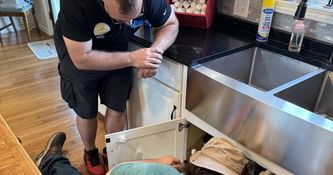
Home inspections in Ohio need to be visual and non-invasive. A dismantling or disturbance of any systems or components is not required when making an inspection by inspectors. The inspection entails the visual evaluation of the available structures and parts, including the foundation, roof, plumbing, electrical and HVAC systems as indicated by Our process (2022).

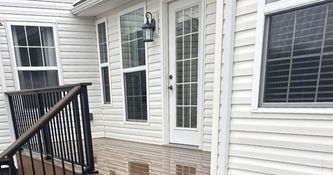
The inspection should work on system components, key areas of the building, such as:

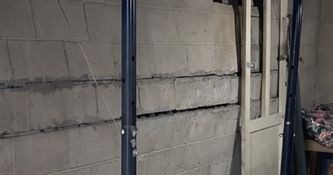
Foundation

Doors

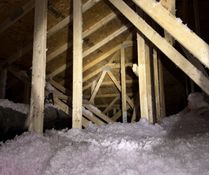
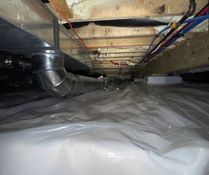
Added components such as attic spaces, crawl spaces, and visible insulation are also added, provided that they are reachable.

Based on exclusions, the rules of Ohio make it clear that the inspectors do not have to check systems and components that are not easy to reach, including underground plumbing or hidden wiring. The requirement on the inspectors is also not to test systems that are not functioning during the inspection or to take any actions that lead to damage.

Once the home inspector is through with the inspection, a comprehensive report outlining the findings for the client is needed. This report must detail the systems and components that were observed, record any gaps or safety issues and provide suggestions on additional assessment or the need to make repairs.

II. HOW ASHI STANDARDS EXCEED OHIO STANDARDS.

The American Society of Home Inspectors (ASHI) is a professional body which gives guidelines and a code of ethics to home inspectors in the country. The standards of ASHI have become the most comprehensive and strict set of rules and regulations in the industry. A more extensive scope of inspection is one of the key ways in which ASHI standards exceed the state of Ohio. ASHI has a more comprehensive and elaborate scope of inspection of houses. Although the standards in Ohio touch upon the basic requirements, the standards in ASHI outline more specialized areas of concern, including a closer inspection of the use of the HVAC systems, chimneys and venting systems (Our process, 2022). The ASHI inspectors go through training to note down certain kinds of problems that do not come under the guidelines of Ohio, like the state of insulation or the occurrence of mold in hidden spaces.

Another key way in which ASHI standards exceed the state of Ohio is the utilization of special equipment: The standards of ASHI promote employing special tools and diagnostic equipment, like thermal cameras, moisture meters and gas gauges to identify those issues that the naked eye cannot see. This is more than what Ohio requires, where home inspections usually do not have any requirements for such special equipment.

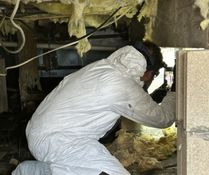
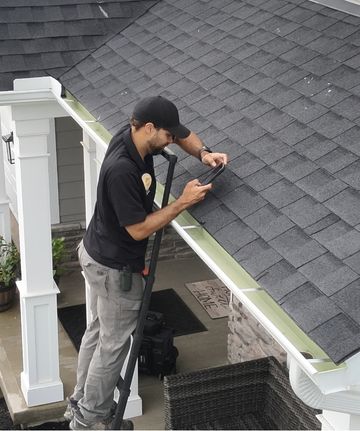
Inspection of all accessible components is also one of the key ways in which ASHI standards exceed the state of Ohio. ASHI goes further than what Ohio requires in terms of inspections; it suggests that inspectors should carry out a more comprehensive examination of the hard-to-reach spaces, such as attic space and crawl space (American Society of Home Inspectors ). That consists of using ladders, drones, and other devices to check those locations that may not be inspected by the inspectors in Ohio, because of the inability to access those places.

THE STANDARD OF PRACTICE FOR HOME INSPECTIONS AND THE CODE OF ETHICS FOR THE HOME INSPECTION PROFESSION

1. INTRODUCTION

1.1 The American Society of Home Inspectors®, Inc. (ASHI®) is a not-for-profit professional society established in 1976. Membership in ASHI is voluntary and its members are private home inspectors. ASHI’s objectives include promotion of excellence within the profession and continual improvement of its members’ home inspection services to the public.

2.1 While the ASHI Standards of Practice establish obligations that may be different than those mandated by law, in any instance where the ASHI Standards of Practice and the law conflict, the obligations of the law take precedence. The ASHI Standards of Practice are not intended to discourage or limit additional or more detailed inspections.

2.2 The purpose of this document is to establish a minimum standard (Standard) for home inspections performed by home inspectors who subscribe to this Standard. Home inspections performed using this Standard are intended to provide the client with information about the condition of inspected systems and components of the residential building as observed at the time of the home inspection.

2.3 The scope of this Standard applies to a Residential Building defined as a structure consisting of from one to four family dwelling units and their attached or detached garages or carports but excluding the common elements and areas in multiple unit housing such as condominiums and cooperative housing.

2.4 The Inspector shall:

  1. inspect the readily accessible, visually observable, installed systems and components specified in this Standard.
  2. provide the client with a written report, using a format and medium selected by the inspector, that:
    • describes the readily accessible, visually observable, installed systems and components specified in this Standard.
    • states the condition of those systems and components specified in this Standard that, in the professional judgment of the Inspector, are not functioning properly, significantly deficient, unsafe, or are near, at, or beyond the end of their normal useful lives;
    • states the recommendations to repair or replace, or to obtain further evaluation and analysis by a qualified professional, tradesman or service technician, regarding the systems or components identified in 2.4.B.2.
    • states the reasoning or explanation as to the nature of the significantly deficient and unsafe systems and components reported in 2.4.B.2;
    • states those systems and components specified for inspection in this Standard that were present at the time of the home inspection but were not inspected and the reason(s) they were not inspected;
  3. adhere to the ASHI© Code of Ethics for the Home Inspection Profession.

2.5 This Standard is NOT intended to limit the Inspector from:

  1. Including additional inspection services or other services or systems and components in addition to those specified in this Standard.
  2. designing or specifying repairs, provided the inspector is appropriately qualified and willing to do so.
  3. excluding systems and components from the inspection if requested or agreed to by the client.

3.1 The Inspector shall:

  1. inspect the visible and accessible structural components including the foundation and framing.
  2. describe in writing the type and material of the
    • 1. foundation.
    • 2. floor structure:
      • a. subfloor;
      • b. floor joists;
      • c. beams/girders;
      • d. columns/piers.
    • 3. wall structure.
    • 4. ceiling structure.
    • 5. roof structure:
      • a. sheathing/decking;
      • b. framing.
  3. describe in writing the condition, recommendations and explanations, according to Sections 2.4.B.2-5, of the following systems and components specified in this Standard:
    • 1. foundation.
    • 2. floor structure:
      • a. subfloor;
      • b. floor joists;
      • c. beams/girders;
      • d. columns/piers.
    • 3. wall structure.
    • 4. ceiling structure.
    • 5. roof structure:
      • a. sheathing/decking;
      • b. framing.
  4. state in writing the location of the access to and methods used to inspect under-floor crawlspaces and attics.

3.2 The Inspector is NOT required to:

  1. provide engineering or architectural services or analysis, including calculations regarding roof loading by any roof structures or environmental conditions.
  2. offer an opinion about the adequacy of structural systems and components.
  3. enter under-floor crawl space areas and attics that are not readily accessible or have less than 30 inches of vertical clearance and 30 inches of horizontal clearance between components and the ground or that have an access opening smaller than 18 inches by 24 inches.
  4. traverse attic load bearing components that are concealed by insulation or by other materials.
  5. walk on unfloored sections of attics.
  6. inspect footings.

4.1 The Inspector shall:

  1. inspect the visible and accessible:
    • 1. wall coverings (siding), flashing and trim.
    • 2. exterior doors including basement and crawl space accesses, and windows.
    • 3. attached and adjacent stoops, steps, ramps, porches, and their associated guards and handrails.
    • 4. eaves, soffits, and fascias where accessible from ground level.
    • 5. vegetation, grading, surface drainage, and retaining walls that are likely to adversely affect the residential building.
    • 6. walkways, patios, and driveways.
  2. describe in writing the type and material of the:
    • 1. wall coverings (siding).
  3. describe in writing the condition, recommendations and explanations, according to Sections 2.4.B.2-5, of the following systems and components specified in this Standard:
    • 1. wall coverings (siding), flashing, and trim.
    • 2. exterior doors including basement and crawl space accesses, and windows.
    • 3. attached and adjacent stoops, steps, ramps, porches, and their associated guards and handrails, eaves, soffits, and fascias where accessible from the ground level.
    • 4. eaves, soffits, and fascias where accessible from the ground level.
    • 5. vegetation, grading, surface drainage, and retaining walls that are likely to adversely affect the residential building.
    • 6. walkways, patios, and driveways.

4.2 The Inspector is NOT required to inspect:

  1. storm doors, storm windows, safety glazing, screening, shutters, awnings, and similar seasonal accessories.
  2. fences, boundary walls, and similar structures.
  3. geological and soil conditions.
  4. recreational facilities.
  5. outbuildings other than garages and carports.
  6. seawalls, breakwalls, bulkheads and docks.
  7. erosion control and earth stabilization measures.
  8. sidewalks, whether public or private, adjacent to the street.

5.1 The Inspector shall:

  1. inspect the visible and accessible:
    • 1. framing including ledger boards, joists, and beams.
    • 2. supporting members.
    • 3. footings and piers.
    • 4. walking surface.
    • 5. guards and handrails.
    • 6. stairs and landings.
  2. describe in writing the type and material of the:
    • 1. framing.
    • 2. walking surface.
    • 3. guards and handrails.
  3. C. describe in writing the condition, recommendations and explanations, according to Sections 2.4.B.2-5, of the following systems and components specified in this Standard:
    • 1. framing.
    • 2. walking surface.
    • 3. guards and handrails.

5.2 The Inspector is NOT required to:

  1. determine adequacy and load capacity of framing, footings, and piers.
  2. enter the underside of a deck that has less than 30 inches of vertical clearance and 30 inches of horizontal clearance between components and the ground or that has an access opening smaller than 18 inches by 24 inches or inspect the underside of a deck or balcony that is more than 14 feet above grade level.

6.1 The Inspector shall:

  1. inspect the visible and accessible:
    • 1. roofing materials.
    • 2. roof drainage systems.
    • 3. flashing.
    • 4. skylights, chimneys, and other roof penetrations.
  2. describe in writing the type and material of the roofing.
  3. describe in writing the condition, recommendations and explanations, according to Sections 2.4.B.2-5, of the following systems and components specified in this Standard:
    • 1. roofing.
    • 2. roof drainage systems.
    • 3. flashing.
  4. state in writing the method(s) used to inspect the roofing.

6.2 The Inspector is NOT required to inspect:

  1. antennas, satellite dishes, de-icing equipment, lightning arrestors, or similar attachments.
  2. interiors of vent systems, flues, and chimneys that are not readily accessible.
  3. other installed accessories.

6.3 The Inspector is NOT required to walk on roofs.

7.1 The Inspector shall:

  1. inspect the visible and accessible:
    • 1. interior water service and predominant distribution systems including fixtures and faucets.
    • 2. predominant interior drain, waste and vent systems including fixtures.
    • 3. water heating equipment and hot water supply systems.
    • 4. vent systems, flues, and chimneys.
    • 5. above ground fuel storage and fuel distribution systems.
    • 6. sewage ejectors, sump pumps and related piping.
    • 7. functional flow and functional drainage of interior fixtures.
  2. describe in writing the:
    • 1. predominant type and material of interior water service and distribution systems, drain, waste and vent pipes.
    • 2. water heating equipment, including energy source(s).
  3. state in writing the location of the:
    • a. main water service pipe shutoff valve;
    • b. main fuel supply shutoff valve.
  4. describe in writing the condition, recommendations and explanations, according to Sections 2.4.B.2-5, of the following systems and components specified in this Standard:
    • 1. interior water service and distribution systems, drain, waste and vent pipes.
    • 2. water heating equipment.
    • 3. interior fuel storage and fuel distribution system.

7.2 The Inspector is NOT required to:

  1. inspect:
    • 1. clothes washing machine connections.
    • 2. interiors of vent systems, flues and chimneys that are not readily accessible.
    • 3. wells, well pumps, pressure pumps, bladder tanks, water storage tanks, water filters, and related well or water storage tank equipment and components.
    • 4. water conditioning systems.
    • 5. manual and automatic fire extinguishing and sprinkler systems.
    • 6. lawn and landscape irrigation systems.
    • 7. septic and other sewage disposal or wastewater treatment systems.
    • 8. underground fuel storage tanks or supply systems.
    • 9. or test for gas or fuel leaks or indications of gas or fuel leaks.
  2. determine:
    • 1. whether water supply and sewage disposal are public or private.
    • 2. water quality.
    • 3. the adequacy of combustion air components.
    • 4. The type of geothermal system.
    • 5. the effectiveness of:
      • a. drain stoppers;
      • b. fixture overflow protection;
      • c. sewage ejectors;
      • d. sump pumps;
      • e. circulator pumps.
    • 6. the function or effectiveness of:
      • a. condensate control and disposal systems or components;
      • b. thermal expansion control devices;
      • c. backflow preventers;
      • d. anti-siphon devices;
        e. water circulation system;
      • f. anti-scald devices;
      • g. relief valves such as temperature and pressure relief (T&P) valves, pressure relief valves, temperature relief valves, and pressure reducing valves.
    • 7. a geothermal system.
    • 8. or measure water supply flow and pressure and well water quantity.
    • 9. the adequacy of whirlpool or spa design features.
    • 10. whether there are sufficient cleanouts for effective drain cleaning.
    • 11. the presence or condition of polybutylene (PB), polyethylene (PE), or similar plastic piping and components.
  3. fill shower pans and fixtures, tub and shower surrounds or enclosures to test for leakage or functional overflow protection.
  4. remove the cover on a tankless water heater cabinet.
  5. test, operate, open or close:
    • 1. relief valves.
    • 2. safety controls.
    • 3. manual stop valves.
    • 4. check valves.
    • 5. control valves.
  6. evaluate the plumbing system for the proper design or sizing of any water, drain, waste or vent components including, but not limited to pipes or fixtures, or compliance with conservation, energy or standards.
  7. evaluate or determine the time to obtain hot water at any fixture or perform testing of any kind to water heater elements.

8.1 The Inspector shall:

  1. A. inspect the visible and accessible:
    • 1. service drop.
    • 2. service entrance conductors, cables, and raceways.
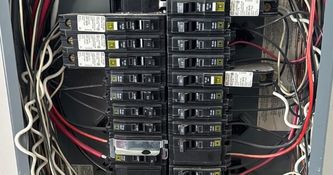
    • 3. service equipment and main disconnects.
    • 4. service bonding and grounding.
    • 5. interior components of load centers (service panels and subpanels).
    • 6. conductors.
    • 7. overcurrent protection devices (fuses and circuit breakers).
    • 8. representative number of installed lighting fixtures, switches and receptacles, ground fault circuit interrupters (GFCIs) and arc fault circuit interrupters (AFCIs) when possible.
  2. describe in writing the:
    • 1. amperage and voltage rating of the service.
    • 2. location of main disconnect(s) and load centers (service panels and subpanels).
    • 3. presence or absence of smoke alarms and carbon monoxide alarms/detectors.
    • 4. type and material of the predominant branch circuit wire.
    • 5. type of overcurrent protection devices (fuses and circuit breakers).
  3. state in writing the presence, where visible and if readily identifiable, of:
    • 1. solid conductor aluminum branch circuit wiring.
    • 2. knob and tube branch circuit wiring.
  4. describe in writing the condition, recommendations and explanations, according to Sections 2.4.B.2-5, of the following systems and components specified in this Standard:
    • 1. service drop.
    • 2. service entrance conductors, cables, and raceways.
    • 3. service equipment and main disconnects.
    • 4. service bonding and grounding.
    • 5. interior components of load centers (service panels and subpanels).
    • 6. conductors.
    • 7. overcurrent protection devices (fuses and circuit breakers).
    • 8. a representative number of installed lighting fixtures, switches and receptacles, ground fault circuit interrupters (GFCIs) and arc fault circuit interrupters (AFCIs) when possible.

8.2 The Inspector is NOT required to:

  1. inspect:
    • 1. remote control devices.
    • 2. or test smoke alarms and carbon monoxide alarms/detectors, security systems and other signaling and warning devices.
    • 3. identify, or disclose:
      • a. low voltage wiring systems and components;
      • b. ancillary wiring systems and components not a part of the primary electrical power distribution system;
      • c. lightning arrestor systems;
      • d. de-icing systems;
      • e. EV charging equipment and related components;
      • f. stand-by power generation and storage systems, transfer switching and related components;
      • g. whole house surge protection device(s), smart home devices and/or systems, communication, and automation.
  2. measure amperage, voltage and impedance.
  3. determine the age and type of smoke alarms and carbon monoxide alarms/detectors.
  4. insert any tool, probe or testing device inside electrical panels.
  5. dismantle any electrical device or control other than to remove the covers of load centers (service panels and subpanels).
  6. activate any electrical systems or branch circuits that are not energized.
  7. determine the accuracy of overcurrent protection device labeling.

9.1. The Inspector shall:

  1. open readily openable access panels
  2. inspect the visible and accessible:
    • 1. permanently installed heating and cooling systems.
    • 2. vent systems, flues, and chimneys.
    • 3. distribution systems.
    • 4. whole house fans.
  3. describe in writing the:
    • 1. type of permanently installed heating and cooling system (i.e., forced air furnace, heat pump, steam boiler, hot water boiler, geothermal, hot water hybrid, ductless mini-split, split-system, etc.).
    • 2. energy source(s).
    • 3. vent systems, flues and chimneys.
    • 4. distribution systems.
  4. describe in writing the condition, recommendations and explanations, according to Sections 2.4.B.2-5, of the following systems and components specified in this Standard:
    • 1. permanently installed heating and cooling systems.
    • 2. vent systems, flues, and chimneys.
    • 3. distribution systems.
    • 4. whole house fans.

9.2 The Inspector is NOT required to:

  1. inspect:
    • 1. interiors of vent systems, flues and chimneys that are not readily accessible.
    • 2. heat exchangers.
    • 3. humidifiers and dehumidifiers.
    • 4. electric air cleaning and sanitizing devices.
    • 5. heating and cooling systems units that are not permanently installed or that are installed in windows.
    • 6. automatic venting systems (i.e. HVAC exhaust fans).
    • 7. condensate control and disposal.
    • 8. automatic setbacks, timers, programs or clocks.
    • 9. mechanical ventilation systems such as:
      • a. heat recovery ventilators (HRVs).
      • b. energy recovery ventilators (ERVs).
      • c. smart ventilation systems.
    • 10. dehumidification systems.
  2. determine:
    • 1. heating and cooling supply adequacy and distribution balance.
    • 2. the adequacy of combustion air components.
    • 3. the type of geothermal system.
    • 4. thermostat calibration
  3. operate HVAC equipment when weather conditions or other circumstances may cause damage to the system.

10.1 The Inspector shall:

  1. inspect the visible and accessible:
    • 1. walls, ceilings and floors.
    • 2. ramps, steps, stairways, landings, guards and handrails.
    • 3. countertops and a representative number of installed cabinets.
  2. inspect:
    • 1. a representative number of doors and
    • 2. permanently installed household appliances (i.e. windows. ovens, ranges, surface cooking appliances, microwave ovens, dishwashing machines and food waste disposers) by using normal operating controls to activate the primary function.
  3. C. describe in writing the condition, recommendations and explanations, according to Sections 2.4.B.2-5, of the following systems and components specified in this Standard:
    • 1. walls, ceilings and floors.
    • 2. ramps, steps, stairways, landings, guards and handrails.
    • 3. countertops and a representative number of installed kitchen wall cabinets.
    • 4. permanently installed ovens, ranges, surface cooking appliances, microwave ovens, dishwashing machines and food waste disposers.

10.2 The Inspector is NOT required to inspect:

  1. paint, wallpaper, and other finish treatments.
  2. floor coverings.
  3. window treatments.
  4. coatings on and/or the hermetic seals between panes of window glass.
  5. safety glazing.
  6. central vacuum systems.
  7. recreational facilities.
  8. installed and free-standing kitchen and laundry appliances not listed in Section 10.1.B.2.
  9. household appliance thermostats including their calibration, adequacy of heating elements, self-cleaning oven cycles, indicator lights, door seals, timers, clocks, timed features, other specialized features of the household appliance and microwave radiation leakage.
  10. operate, or confirm the operation of every control and feature of an inspected appliance.

10.3 The Inspector is NOT required to:

  1. move suspended ceiling tiles or panels.
  2. move personal possessions, furniture, stored items, window treatments, or any coverings such as carpets or rugs.
  3. operate any security bar release and opening mechanisms, whether interior or exterior.

11.1 The Inspector shall:

  1. inspect the visible and accessible:
    • 1. insulation and vapor retarders in crawl spaces, foundation areas and unfinished attic spaces.
  2. state in writing the presence or absence of:
    • 1. insulation and vapor retarders in crawl spaces, foundation areas and unfinished attic spaces at conditioned surfaces.
    • 2. a radiant barrier.
  3. C. describe in writing the condition, recommendations and explanations, according to Sections 2.4.B.2-5, of the following systems and components specified in this Standard:
    • 1. insulation and vapor retarders in crawl spaces, foundation areas and unfinished attic spaces.

11.2 The Inspector is NOT required to:

  1. disturb or move insulation or vapor retarders.
  2. break or otherwise damage the surface finish or weather seal on or around attic and crawl space access panels or covers.
  3. identify the composition or R-value of insulation.

12.1 The Inspector shall:

  1. inspect the visible and accessible:
    • 1. ventilation in crawl spaces, foundation areas and unfinished attic spaces.
    • 2. mechanical or similar exhaust systems for the kitchen(s), bathroom(s) and laundry areas.
    • 3. clothes dryer exhaust systems.
  2. state in writing the presence or absence of:
    • 1. ventilation in crawl spaces, foundation areas and unfinished attic spaces.
  3. describe in writing the condition, recommendations and explanations, according to Sections 2.4.B.2-5, of the following systems and components specified in this Standard:
    • 1. ventilation in crawl spaces, foundation areas and unfinished attic spaces.
    • 2. mechanical or similar exhaust systems for the kitchen(s), bathroom(s) and laundry areas.
    • 3. clothes dryer exhaust systems.

12.2 The Inspector is NOT required to:

  1. break or otherwise damage the surface finish or weather seal on or around attic and crawl space access panels or covers.
  2. activate thermostatically operated or solar powered fans.
  3. determine the adequacy of ventilation in attics and crawl spaces.
  4. determine the adequacy of mechanical or similar exhaust systems for the kitchen(s), bathroom(s) and laundry areas or clothes dryer exhaust systems.

13.1 The Inspector shall:

  1. inspect the visible and accessible:
    • 1. fuel-burning fireplaces, stoves, and fireplace inserts.
    • 2. fuel-burning accessories installed in fireplaces.
    • 3. chimneys and vent systems.
    • 4. permanently installed electric fireplaces.
    • 5. mantle, hearth, and fireplace surround.
  2. describe in writing the type and material of:
    • 1. fuel-burning fireplaces, stoves, and fireplace inserts.
    • 2. fuel-burning accessories installed in fireplaces.
    • 3. chimneys and vent systems.
  3. describe in writing the condition, recommendations and explanations, according to Sections 2.4.B.2-5, of the following systems and components specified in this Standard:
    • 1. fuel-burning fireplaces, stoves, and fireplace inserts.
    • 2. fuel-burning accessories installed in fireplaces.
    • 3. chimneys and vent systems.
    • 4. permanently installed electric fireplaces.
    • 5. mantles, hearth, and fireplace surround.

13.2 The inspector is NOT required to:

  1. inspect:
    • 1. interiors of vent systems, flues, and chimneys that are not readily accessible.
    • 2. fire screens and doors.
    • 3. seals and gaskets.
    • 4. automatic fuel feed devices.
    • 5. combustion air components and to determine their adequacy.
    • 6. heat distribution assists (gravity fed and fan assisted).
    • 7. fuel-burning fireplaces and appliances located outside the inspected structures.
  2. operate, or confirm the operation of every control and feature of permanently installed fireplaces other than their primary functionality.
  3. determine draft characteristics.
  4. move fireplace inserts and stoves or firebox contents.
  5. perform any type of chimney inspection, such as a National Fire Protection Association (NFPA) 211 Level I, II or III inspection.


14.1 The Inspector shall:

  1. inspect the visible and accessible:
    • 1. systems and components specified in the applicable sections of this Standard where they exist, such as Structure, Exterior, Roofing, Plumbing, Electrical, HVAC, Interior, Insulation, Venting Systems, etc.
  2. inspect:
    • 1. a representative number of doors and windows.
    • 2. garage vehicle doors including automatic door openers and entrapment protection mechanisms, excluding remote control devices.
  3. describe in writing the condition, recommendations and explanations, according to Sections 2.4.B.2-5, of the systems and components specified in the applicable sections of this Standard where they exist.

14.2 The Inspector is NOT required to:

  1. inspect or test vehicle door remote control devices.
  2. move suspended ceiling tiles or panels.
  3. move personal possessions, furniture, stored items, window treatments, or any coverings such as carpets or rugs.

15.1 General limitations

  1. The inspector is NOT required to perform any actions, or to make determinations or recommendations not specifically stated in this Standard.
  2. Inspections performed using this Standard:
    • 1. are not technically exhaustive.
    • 2. are not required to identify and to report:
      • a. concealed conditions, latent defects, consequential damages, and
      • b. cosmetic imperfections that do not significantly affect a component’s performance of its intended function.
  3. This Standard applies to buildings with four or fewer dwelling units and their attached and detached garages and carports.
  4. This Standard shall not limit or prevent the inspector from meeting state statutes which license professional home inspectors.
  5. Redundancy in the description of the requirements, limitations, and exclusions regarding the scope of the home inspection is provided for emphasis only.

15.2 General exclusions

  1. The Inspector is NOT required to determine
    • 1. the condition of systems and components that are not readily accessible.
    • 2. the age, life expectancy or remaining useful life of systems and components.
    • 3. the strength, adequacy, effectiveness, and efficiency of systems and components.
    • 4. the causes of any condition or deficiency.
    • 5. methods, materials and costs of corrections.
    • 6. the suitability of the property for any specialized uses.
    • 7. compliance of systems and components with past and present requirements, guidelines, codes, standards, regulations, laws, ordinances, specifications, installation and maintenance instructions, use and care guides, recall notices or advisories, etc.
    • 8. the market value of the property and its marketability.
    • 9. the advisability of purchasing the property.
    • 10. the presence of wood destroying insects and organisms.
    • 11. the presence of potentially hazardous plants, animals or diseases or the presence of any suspected hazardous substances or adverse conditions such as environmental hazards, animal urine or feces, mold, fungus, allergens, toxins, carcinogens, asbestos, electromagnetic radiation, noise, radioactive substances, and contaminants in building materials, soil, water, and air.
    • 12. operating costs of systems and components.
    • 13. acoustical properties of systems and components.
    • 14. soil conditions relating to seismic, geotechnical or hydrologic specialties.
    • 15. whether items, materials, conditions and components are subject to recall, controversy, litigation, product liability, and other adverse claims and conditions. 
    • 16. the method of construction such as but not limited to site-built, modular, manufactured, balloon or platform framed, etc.
    • 17. property boundary lines or encroachments.
    • 18. the insurability of the property.
    • 19. future conditions that may occur including the failure of systems and components including consequential damage.
  2. The Inspector is NOT required to offer:
    • 1. or to perform acts or services contrary to law or to government regulations.
    • 2. or to perform architectural, engineering, contracting, or surveying services or to confirm or to evaluate such services performed by others.
    • 3. or to perform trades or professional services other than home inspection.
    • 4. warranties or guarantees.
  3. The Inspector is NOT required to operate:
    • 1. systems and components that are shut down or otherwise inoperable.
    • 2. systems and components that do not respond to normal operating controls.
    • 3. shut-off valves and manual stop valves.
    • 4. automatic safety controls.
    • 5. remote-controlled devices via Wi-Fi, Bluetooth, RF, or other communication protocols and automations.
  4. D. The Inspector is NOT required to:
    • 1. enter areas that will, in the professional judgment of the inspector, likely be dangerous to the inspector or to other persons, or to damage the property or its systems and components.
    • 2. perform procedures or operations that will, in the professional judgment of the inspector, likely be dangerous to the inspector or to other persons, or to damage the property or its systems or components.
    • 3. describe or report on systems and components that are not included in this Standard and that were not inspected.
    • 4. move personal property, stored items, furniture, equipment, plants, soil, snow, ice, and debris.
    • 5. dismantle systems and components, except as explicitly required by this Standard.
    • 6. reset, reprogram, or otherwise adjust devices, systems, and components affected by inspection required by this Standard.
    • 7. ignite or extinguish fires, pilot lights, burners, and other open flames that require manual ignition.
    • 8. probe components where deterioration is visible and suspected or where clear indications of possible deterioration exist. Probing is not required when, in the opinion of the Inspector, probing would only further damage any area already identified as defective or where no deterioration is visible or presumed to exist.
    • 9. turn on any utilities such as the electric, water or gas.
    • 10. identify the presence of, or determine the effectiveness of, any system installed or method utilized to control or remove subsurface water penetration and storm drainage or suspected potentially hazardous substances.
    • 11. anticipate future events or conditions, including but not limited to:
      • a. decay, deterioration, or damage that may occur after the inspection;
      • b. deficiencies from abuse, misuse or lack of use;
      • c. changes in performance of any component or system due to changes in use or occupancy;
      • d. the consequences of the inspection or its effects on clients;
      • e. common household accidents, personal injury, or death;
      • f. water penetration;
      • g. the failure or future performance of any system or component.
  5. The Inspector is NOT required to inspect:
    • 1. underground items including, but not limited to, wells, cisterns, underground storage tanks and other underground indications of their presence, whether abandoned or active.
    • 2. interior and exterior subsurface drainage systems.
    • 3. items that are not permanently installed.
    • 4. installed decorative items.
    • 5. items in areas that are not entered in accordance with 3.2.C and 15.2.D.1.
    • 6. detached structures other than garages and carports.
    • 7. common elements or areas in multi-unit housing, such as condominiums and cooperative housing.
    • 8. every occurrence of multiple similar components.
    • 9. outdoor cooking appliances, fireplaces, and fire pits.
    • 10. bridges.
    • 11. elevators, lifts, cable-hoisted fixtures and devices.
    • 12. swimming pools, spas, hot tubs, ponds, water features and their related components.
    • 13. phone and cable lines, antennas and satellite dishes.
    • 14. photovoltaic (solar), geothermal, wind and other renewable energy systems.
    • 15. alarm systems or warning devices, installed or free-standing, including but not limited to flue gas and other spillage detectors, security equipment, ejector pumps, smoke alarms and carbon monoxide alarms/detectors.


16.1 A home inspector may use reasonable and appropriate tools or equipment that, in the Inspector’s professional judgment, the Inspector believes is necessary to adequately perform a home inspection. 

16.2 A home inspector is not required to:

  1. use specialized equipment, instruments or testing devices, such as but not limited to:
    • 1. amp meters;
    • 2. pressure gauges;
    • 3. moisture meters;
    • 4. combustible gas or carbon monoxide detection equipment and similar equipment;
    • 5. thermal imaging equipment (i.e. infrared cameras);
    • 6. environmental testing equipment and devices;
    • 7. elevation determination devices;
    • 8. ladders capable of reaching surfaces over one story above ground surface;
    • 9. cameras or other equipment used to inspect the interior of a drain or sewer line;
    • 10. small unmanned aircraft systems (drones).


17.1 This section provides definitions and descriptions or terms for the words used in this Standard. These are an integral part of this Standard and are critical to an understanding of this Standard and its use.

  1. Scope. Unless otherwise expressly stated, the following terms shall, for the purposes of this Standard, have the meanings shown in this section.
  2. Terms not defined. Where terms are not defined through the methods authorized by this section, such terms shall have ordinarily accepted meanings such as the context implies.
  3. Accessible (see Readily Accessible)
  4. Activate means the act of turning on, supplying power, or otherwise enabling systems, equipment, or devices to become active by normal operating controls.
  5. Additional Inspection Services means a specialized inspection by a professional trained to evaluate a specific element of the property that is outside of the scope of home inspection and may require additional licenses, certification, or training.
  6. Architectural Service means any practice involving the art and science of building design for construction of any structure or groupings of structures and the use of space within and surrounding the structures or the design for construction, including but not specifically limited to, services that an architect typically provides including concept design, development, preparation of construction documents and construction administration.
  7. Attic means the unfinished space between the ceiling joists or truss chords of the top floor and the underside of the roof framing.
  8. Automatic Safety Controls means devices designed and installed to protect systems and components from unsafe conditions.
  9. Basement/Cellar means the bottom full story of a residential building below the first floor. A basement may be partially or completely below grade.
  10. Bonding means connecting metallic systems to establish electrical continuity and conductivity.
  11. Branch Circuit means the circuit conductors (wire) between the final overcurrent device protecting the circuit and the outlet(s).
  12. Client means any current or prospective homeowner who engages, or seeks to engage, the services of a home inspector for the purpose of obtaining an inspection of, and written report regarding, the condition of a residential building.
  13. Component means a part of a system.
  14. Cooling System means a permanently installed climate-controlled system to cool all or a portion of the residential building.
  15. Cosmetic means blemishes or imperfections that affect the appearance or aesthetics and do not interfere with the functionality of the component or system.
  16. Crawl Space means in a residential building or portion of a residential building, the accessible space between the surface of the ground and the bottom of the first floor joists, with less-than-normal headroom. Any interior space of limited height designed to permit access to components such as ductwork, wiring, and pipe fittings (see also Under-floor Crawl Space).
  17. Decorative means not required for the proper operation of the essential systems and components of a home.
  18. Describe means to state in writing a system and/or component by its type or other observed significant characteristics to distinguish it from other similar systems or components.
  19. Dismantle means to take apart or remove components, devices, or pieces of equipment that would not be taken apart or removed by a homeowner in the course of normal maintenance, except as may be required within this Standard.
  20. Engineering means the application of scientific knowledge for the design, control, or use of building structures, equipment, or apparatus.
  21. Engineering Service means any professional service or creative work requiring engineering education, training, and experience and the application of special knowledge of the mathematical, physical and engineering sciences to such professional service or creative work as consultation, investigation, evaluation, planning, design and supervision of construction for the purpose of assuring compliance with the specifications and design, in conjunction with structures, buildings, machines, equipment, works or processes.
  22. Functional Drainage means a plumbing drain that empties at a rate equal to or greater than the supply water flow to the plumbing fixture.
  23. Functional Flow means sufficient water flow to provide provide supply to the highest and/or furthest fixture from the main water source when a single intermediate fixture is operated simultaneously with uninterrupted flow.
  24. Further Evaluation means examination and analysis by a qualified professional, tradesman, or service technician beyond that provided by a home inspection. 
  25. Heating System means a permanently installed system to heat all or a portion of the residential building.
  26. Home Inspection means a limited visual non-invasive examination of the readily accessible systems and components of a residential building as defined in this Standard, for compensation and performed without moving personal property, furniture, equipment, plants, soil, snow, ice, or debris.
  27. Home Inspector means an individual who performs a Home Inspection for compensation.
  28. Inspect means the process of examining readily accessible systems and components by applying this Standard, operating normal operating controls and opening readily openable access panels.
  29. Inspection Report or “Home Inspection Report” means a written document of the observations in accordance with Section 2.4.B.1-5 as of the date and time of the home inspection resulting from the limited visual
    examination/inspection of the property which meets this Standard.
  30. Inspector (see Home Inspector)
  31. Installed means attached such that removal requires tools.
  32. Load Bearing means those elements that support both dead and live loads (i.e. foundations, floors, walls, ceilings, and roof framing).
  33. Non-Invasive means not causing disturbance or damage upon inspection.
  34. Normal Operating Controls means devices such as thermostats, switches and valves intended to be operated by the homeowner.
  35. Normal Use mean systems and components used in accordance with the instruction manual included with the product and ordinary use under typical daily operations including routine maintenance activities performed by homeowners and service technicians.
  36. Normal Useful Life. means a subjective estimate based upon observations, and/or average estimates of similar items, systems, or components, that an item, system, or component, is estimated to be able to function in accordance with its intended purpose before warranting replacement.
  37. Operate means to activate equipment using normal operating controls.
  38. Permanently Installed means an item, system or component designed or intended to remain where originally placed, not easily moved and which is attached, connected, or set in place for use so as to render moving or removing the item, system, or component impossible without the use of tools or equipment.
  39. Readily Accessible means visually observable and able to be examined: without requiring destructive measures; without risk to the Inspector or others; without risk of damage to any item of personal or real property; without requiring the Inspector to move, remove, damage, or disturb any wall, floor, ceiling, window coverings, any interior or exterior claddings, finish treatments; without requiring the Inspector to move, remove, damage, disturb, climb upon, climb over, or straddle any item of personal property; without requiring the Inspector to move, remove, damage, or disturb any landscape elements; without interrupting the business of occupants and without requiring disassembly or the use of any special protective clothing or special tools or equipment.
  40. Readily Openable Access Panel means a panel provided for homeowner inspection and maintenance that is readily accessible, within normal reach, can be opened by one person and is not sealed in place.
  41. Recreational Facilities means spas, saunas, steam baths, swimming pools, exercise, entertainment, athletic, playground and other similar equipment and associated accessories, etc.
  42. Representative Number means one component per room for multiple similar interior components such as windows and electric receptacles; one component on each side of the residential building for multiple similar exterior components.
  43. Residential Building means a structure consisting of from one to four family dwelling units and their attached or detached garages or carports but excluding the common elements and areas in multiple unit housing such as condominiums and cooperative housing.
  44. Roof Drainage Systems means components used to carry water off a roof and away from a building.
  45. Shut Down means a state in which a system or component cannot be operated by normal operating controls.
  46. Significantly Deficient means a condition that in the professional judgment of the inspector significantly affects the value, habitability, or safety of the dwelling and/or occupants but does not include decorative, stylistic, cosmetic, or aesthetic aspects of the system, structure or component.. The fact that a system or component is near, at or beyond the end of the normal useful life is not by itself significantly deficient.
  47. State means to identify in writing.
  48. Structural Component means a component that supports non-variable forces or weights (dead loads) and variable forces or weights (live loads).
  49. System means a combination of interacting or interdependent components, assembled to carry out one or more functions.
  50. Technically Exhaustive means an investigation that involves dismantling, the extensive use of advanced techniques, measurements, instruments, testing, calculations, or other means.
  51. Under-floor Crawl Space (see Crawl Space)
  52. Unsafe means a condition in a readily accessible, installed system or component that is judged by the Inspector to be a significant risk of serious bodily injury during normal use; the risk may be due to damage, deterioration, or improper installation.

III. HOW OUR SERVICES EXCEED OHIO AND ASHI STANDARDS.

Home and Commercial inspections would not simply do those requirements but instead provide the best and most complete inspections of homes in Columbus, Ohio. Our group strives to make sure that any inspection that we carry out is of the highest quality and professionalism. We follow the minimum requirements as follows:
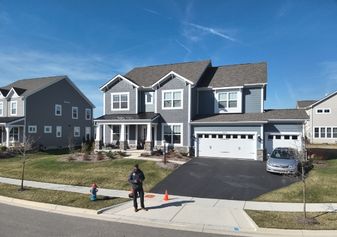
Advance Tools and Technology

Drones

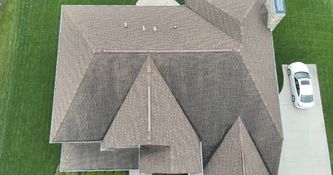
Drones are used to inspect places that are difficult to access, such as chimneys, roofs and high exterior walls. Through this tool, we are able to access images and video footage at angles which would be unsafe or difficult to access using ladders. Our inspectors are licensed FAA Drone pilots and fully insured.
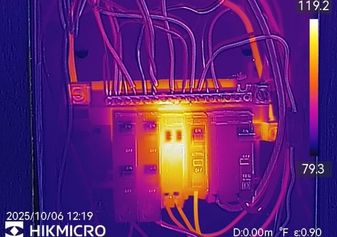
The thermal cameras will help our inspectors to identify concealed moisture, insufficient insulation, and wasted energy, which cannot be seen otherwise in a typical visual examination.
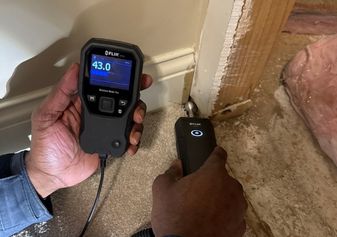
Moisture Meters

Moisture meters are used to detect places of excess moisture in walls, ceilings and floors. This makes us identify any possible water damage or mould reproduction that might have occurred in the back of the surface.

Thorough inspection of all components

We test all the systems available in the house, and do not limit ourselves to the essentials, so that no point of the house is ignored. Our inspectors take particular care in areas that are usually overlooked, like crawl spaces and attic spaces, where all the parts are considered for possible problems.

We also make a close examination of the HVAC systems in operation, such as heating, ventilation, and air conditioning, to ensure that such vital systems are performing effectively and safely.