
Buying a home is one of the largest financial decisions most people will ever make. Whether you’re a first-time buyer or you’ve purchased several homes, understanding how a house works can help you avoid expensive surprises after closing.
Many buyers focus on paint colors, flooring, kitchens, and curb appeal. While those items are important, experienced home inspectors often find issues that aren’t immediately visible during a showing. Problems such as roof leaks, foundation movement, electrical hazards, plumbing defects, moisture intrusion, mold growth, and aging heating and cooling equipment can cost thousands of dollars to repair.
This Home Buyer’s Education Center was created to help buyers understand what to look for while touring homes and what concerns are commonly discovered during a professional home inspection.
Our goal is simple: help you become a more informed buyer so you can make confident decisions during the home-buying process.
5.0 verified by TrustindexTrustindex verifies that the company has a review score above 4.5, based on reviews collected on Google over the past 12 months, qualifying it to receive the Top Rated Certificate.
 5.0verified by TrustindexTrustindex verifies that the company has a review score above 4.5, based on reviews collected on Google over the past 12 months, qualifying it to receive the Top Rated Certificate.
One of the most common questions buyers ask is: “If the home looks good, do I still need a home inspection?”
The answer is almost always yes.
A home inspection is designed to identify defects that may not be obvious during a walkthrough. Sellers may not be aware of every issue, and many problems are hidden behind walls, inside attics, crawl spaces, mechanical rooms, and electrical panels.
A professional home inspection can help identify:
Many buyers use the inspection findings to better understand the condition of the property, budget for future repairs, and negotiate repairs or credits before closing.
A home inspector performs a visual evaluation of the home’s major systems and components. Typical inspection areas include:
When buyers tour homes, they’re often focused on the layout, neighborhood, and finishes. As a result, some of the most expensive defects can go unnoticed. Common issues buyers overlook include:
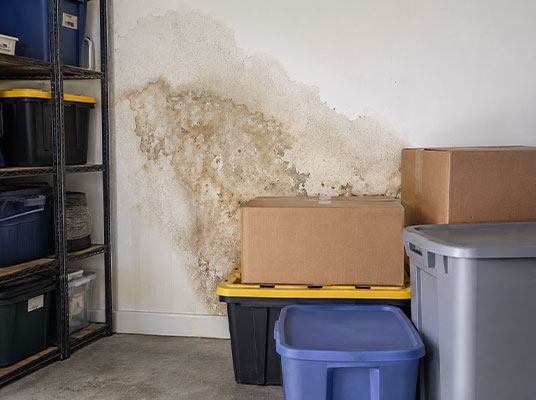
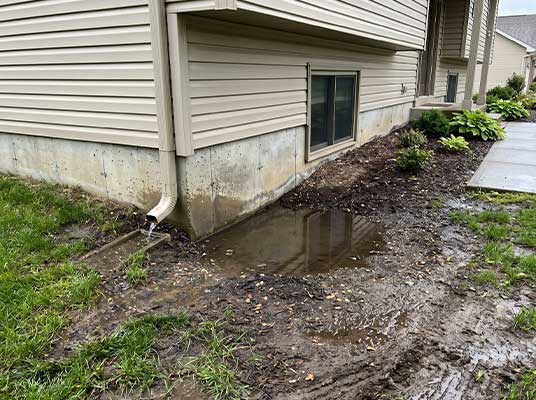
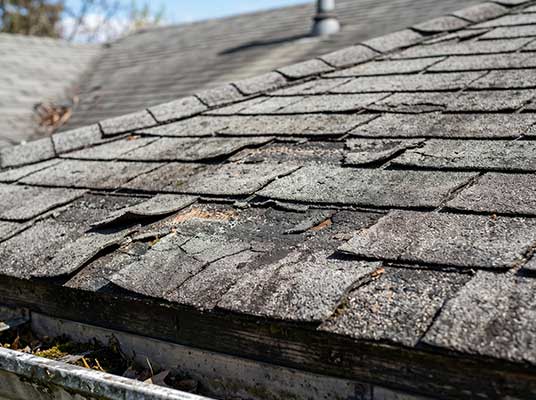
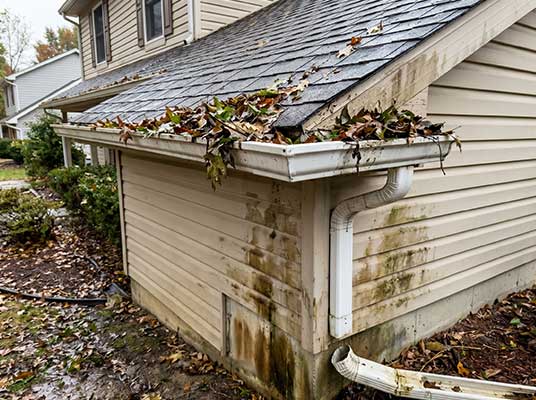
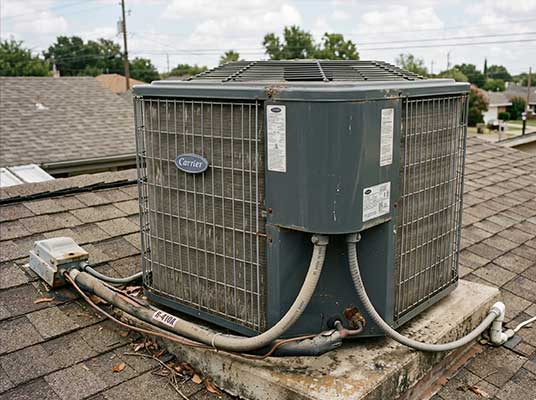
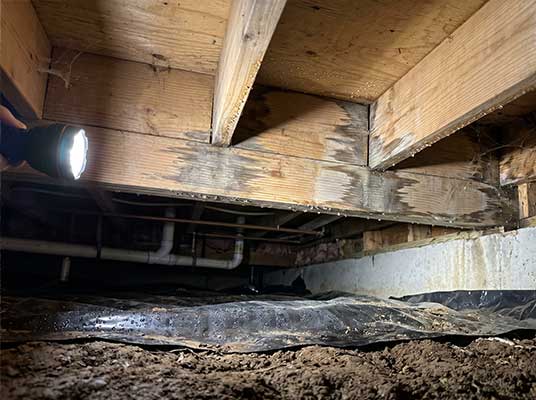
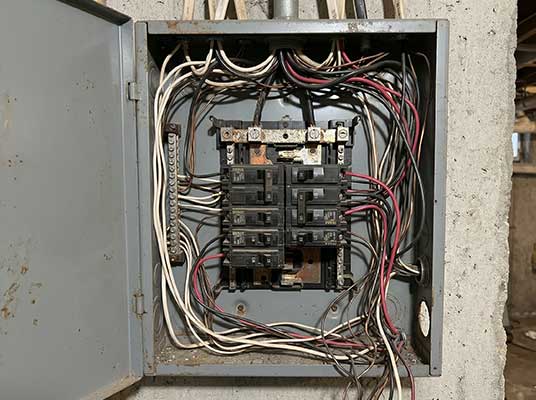
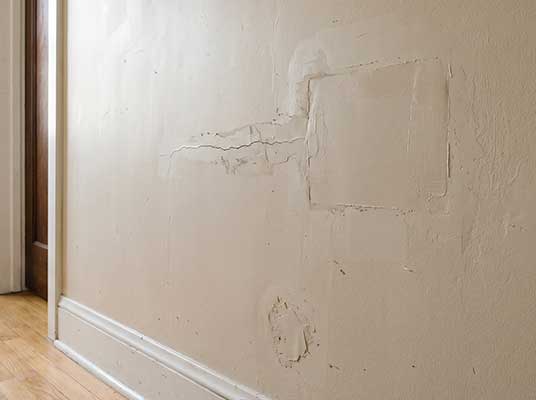
Learning how to recognize these warning signs can help you ask better questions before making an offer.
Depending on the age, location, and condition of the property, additional evaluations may be recommended. These may include:
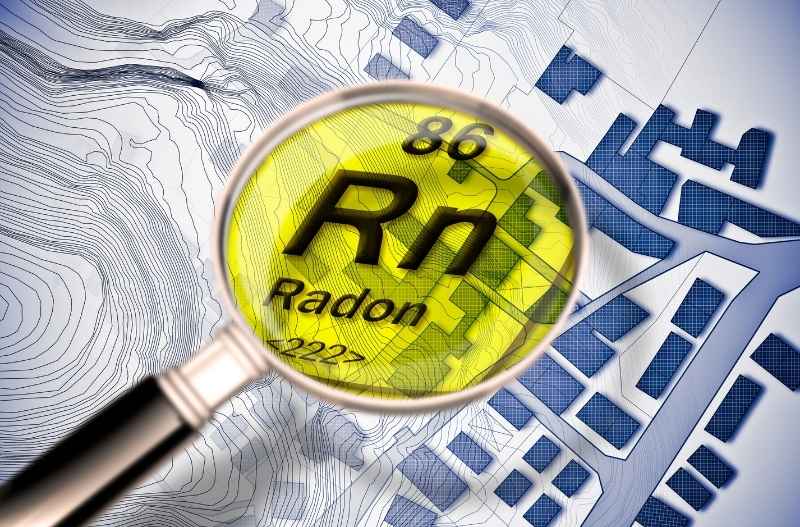
Accurate radon testing measuring indoor radon levels to identify potential health risks within residential properties.
READ MORE ➔
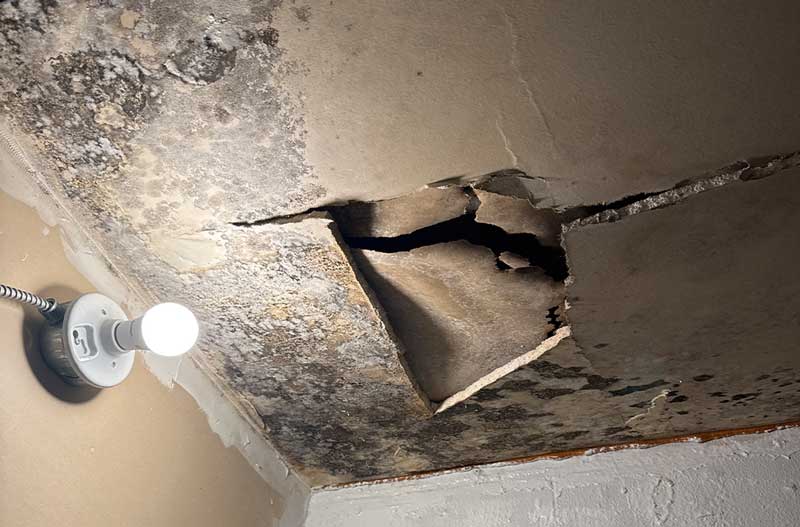
Professional mold inspection identifying visible growth, moisture concerns, and indoor environmental conditions affecting residential properties.
READ MORE ➔
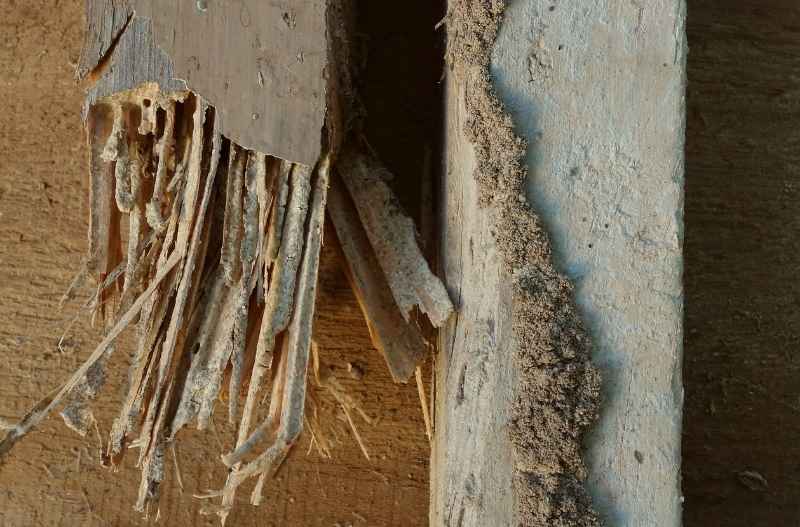
Wood destroying insect inspection identifying termite activity, structural damage, and conditions contributing to future infestations.
READ MORE ➔
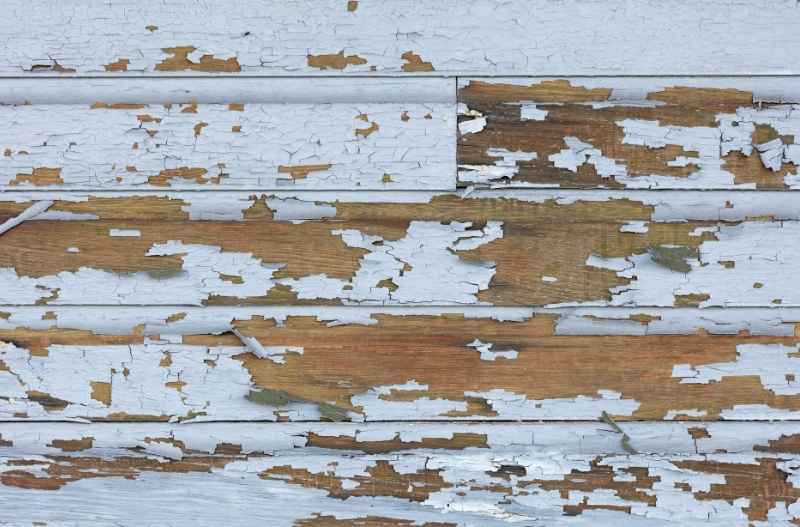
Lead paint inspection helping identify potential hazards commonly found within older residential properties throughout Central Ohio.
READ MORE ➔
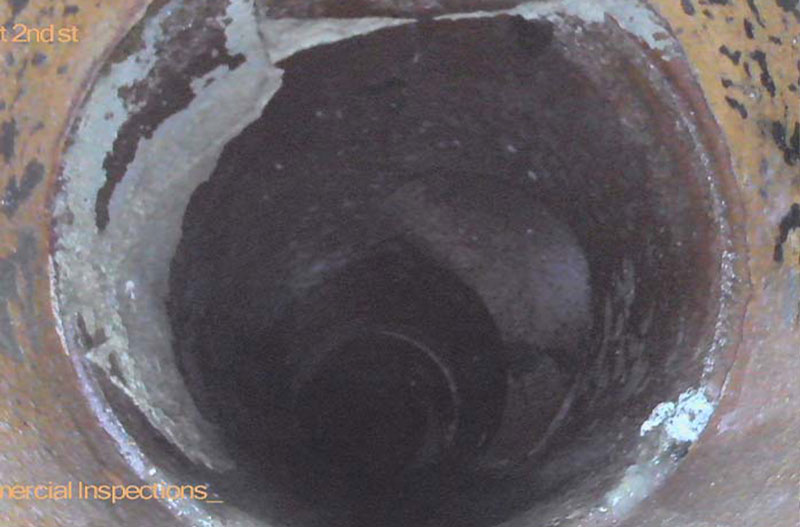
Wood destroying insect inspection identifying termite activity, structural damage, and conditions contributing to future infestations.
READ MORE ➔
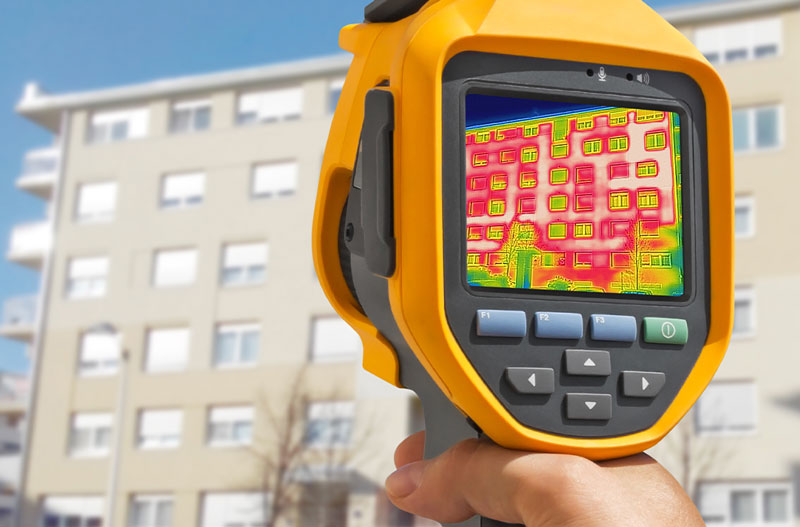
Infrared stucco EIFS survey utilizing thermal imaging technology to identify hidden moisture intrusion and building defects.
READ MORE ➔
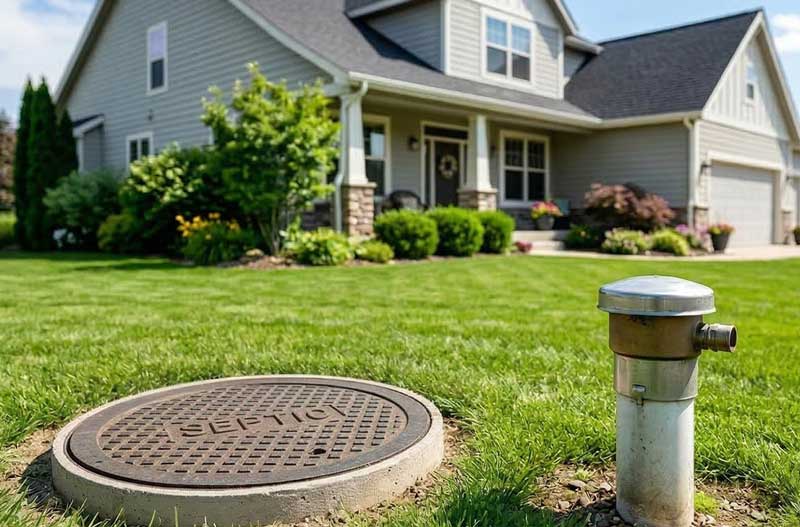
Wood destroying insect inspection identifying termite activity, structural damage, and conditions contributing to future infestations.
READ MORE ➔
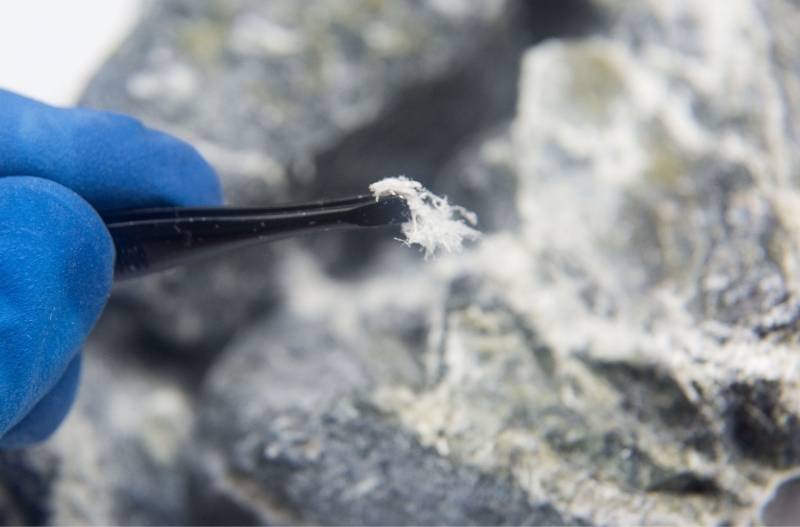
Accurate radon testing measuring indoor radon levels to identify potential health risks within residential properties.
READ MORE ➔
The best home buyers are educated home buyers.
The articles in this Home Buyer’s Education Center explain how major home systems work, common defects inspectors find, and what issues may require further evaluation by qualified contractors.
Whether you’re researching roofs, foundations, electrical systems, plumbing, attics, crawl spaces, or HVAC equipment, these guides will help you better understand the property you’re considering before you make one of the largest investments of your life.

Posted on Google Lisa Roberts2 days ago
Trustindex verifies that the original source of the review is Google.
This company is truly exceptional, inspectors are amazing and answered so many of my questions. Well done 👏Posted on Google Datta Mislankar8 days agoJohn Steinhauer is exceptionally knowledgeable and professional. I highly recommend John and Home and commercial inspection. Datta M.Posted on Google
 Donetha Ray14 days agoVerry professional .Posted on Google
 K P23 days agoVery polite, professional, knowledgeable and on time.Posted on Google
 Donnice Brown23 days agoI was super impressed with Tony, my inspector. He was incredibly thorough, checking every detail of the house. Tony explained every potential issue and answered questions in a clear and easy way to understand. He gave me a lot of PEACE OF MIND throughout the entire process. I'd HIGHLY recommend him to anyone in need of an home inspection.Posted on Google
 Angelic Bertrand27 days agoWould absolutely use them again.Posted on Google
 Elchin Nuraliyev30 days agoTony Warfield did a great job with our home inspection. He was professional, thorough, and clearly explained everything he found. I highly recommend him and Home & Commercial Inspections.Posted on Google
 Maxwell Lee31 days agoCommunication was great. Extremely helpful and insightful as a first time home buyer. Walked me through the process and made it simple for us.Posted on Google
 Tim Keane40 days agoExtremely knowledgeable and professional. I highly recommend James and his team.Posted on Google
 Tony Cabell41 days agoTony was very thorough and communicated with me about each thing he inspected.
Some of the biggest red flags during a home inspection include foundation problems, active roof leaks, water intrusion, mold growth, electrical hazards, and significant structural concerns. These issues can be expensive to repair and may affect the safety and value of the home. Understanding major defects can help buyers make more informed decisions before closing.
A house does not technically pass or fail a home inspection. A home inspection is an objective evaluation of the property’s condition at the time of the inspection. The report simply identifies defects, maintenance concerns, and items that may require further evaluation or repairs.
Most home inspections take between two and four hours, depending on the size, age, and condition of the property. Larger homes or homes with additional inspection services may require more time. Buyers are encouraged to allow enough time to review important findings with the inspector.
Yes, attending your home inspection is highly recommended whenever possible. Being present allows you to see issues firsthand, ask questions, and better understand how the home’s major systems operate. It can also help you feel more confident about your purchase decision.
Some of the most expensive home defects include foundation problems, roof replacement, major water damage, sewer line failures, structural issues, and complete HVAC system replacement. These repairs can cost thousands of dollars depending on the severity of the problem. Identifying major defects before closing can help buyers budget and negotiate accordingly.
Major issues are defects that affect the safety, structural integrity, or functionality of the home. Examples include significant foundation movement, active roof leaks, electrical hazards, water intrusion, and structural damage. These concerns often require prompt repairs or further evaluation by qualified contractors.
Home inspectors may identify visible signs of mold growth or conditions that contribute to mold, such as excess moisture and water intrusion. However, a standard home inspection typically does not include mold testing unless that service is specifically requested. Additional mold evaluations may be recommended if concerns are present.
Most furnaces have an average life expectancy of approximately 15 to 20 years. As a furnace ages, it may become less efficient and require more frequent repairs. An older furnace is not necessarily defective, but buyers should be prepared for possible replacement costs in the future.
Minor settlement and small hairline cracks can be normal in many homes. However, large cracks, uneven floors, sticking doors and windows, or signs of significant movement may indicate a more serious structural concern. A qualified professional may recommend further evaluation when substantial movement is observed.
After the inspection, the buyer receives a detailed report outlining the condition of the property and any identified concerns. Buyers often use the findings to better understand future maintenance needs, request repairs, negotiate credits, or proceed with the purchase as planned. The inspection provides valuable information to help buyers make confident decisions before closing.
Protect your investment and gain peace of mind with a professional home inspection from HC Inspectors.