


Roof, HVAC, and Electrical: The Big Three Systems in Commercial Inspections
May 15, 2026
No Comments
Read More »
Top 10 Common Issues Found During Commercial Property Inspections
April 30, 2026
No Comments
Read More »
Understanding Radon: Why Winter Testing Reveals the Truth About Your Structure’s Air Quality
Radon might be invisible and odorless, but its impact on health is very real. This naturally occurring radioactive gas silently seeps into homes across the country and is particularly problematic in Ohio. What many homeowners don’t realize is that radon levels fluctuate dramatically with the seasons. Understanding these patterns could be the key to protecting your family’s health.

What Is Radon and Why Should You Care?
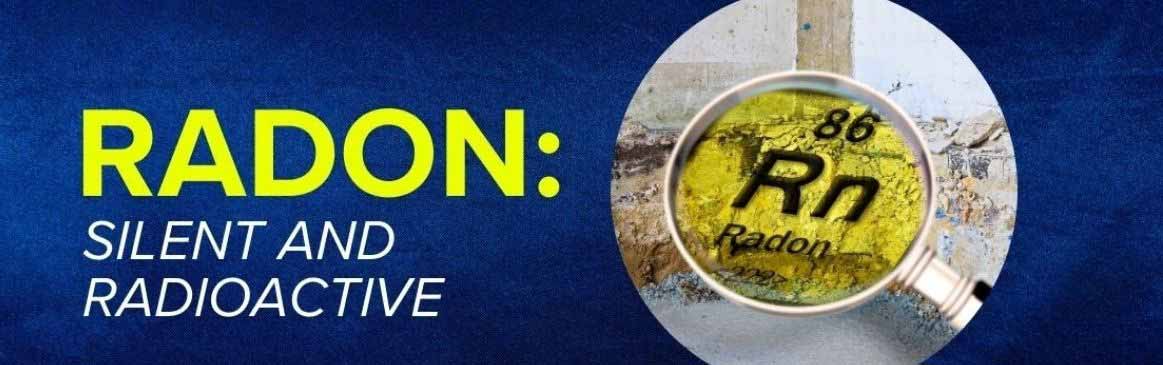
Radon is a radioactive gas that forms naturally when uranium in soil and rocks breaks down. As this decay process occurs, radon gas rises through the ground and can enter buildings through cracks in foundations, gaps around pipes, and other openings. Once inside, it becomes trapped and can accumulate to dangerous levels.
The health risks are serious. Radon is the second leading cause of lung cancer in the United States, responsible for approximately 21,000 deaths annually according to the Environmental Protection Agency (EPA). The gas decays into radioactive particles that become trapped in lung tissue when inhaled, where they release energy that damages cells and can eventually lead to cancer.
What makes radon particularly dangerous is that you can’t see it, smell it, or taste it. The only way to know if radon is present in concerning levels is through testing.
How Barometric Pressure Influences Radon Entry
Think of barometric pressure as nature’s gate keeper for radon entry into buildings. When atmospheric pressure is high, it essentially pushes down on the ground, making it harder for radon to escape the soil and enter homes. Conversely, when barometric pressure drops—which often happens before storms—the reduced pressure allows radon to move more freely from the soil into buildings.
This pressure differential between the soil beneath a home and the air inside creates what’s known as the “stack effect.” Homes naturally pull air upward from the ground, especially when there’s a temperature difference between inside and outside. Lower barometric pressure amplifies this effect, drawing more radon into living spaces.
Seasonal Patterns: When Radon Levels Peak

Winter: The High-Risk Season
Radon levels typically reach their peak during winter months, and several factors contribute to this phenomenon. Snow cover acts as a cap on the ground, preventing radon from escaping into the atmosphere and instead forcing it to find other routes—like into basements and crawl spaces.
Winter also brings tightly sealed homes. Windows stay closed, doors remain shut, and ventilation decreases as homeowners try to keep heating costs down. This reduced air exchange means radon has fewer opportunities to dissipate, causing concentrations to build up indoors.
The heating systems themselves play a role too. Furnaces and other heating equipment can increase the stack effect, creating even stronger suction that pulls radon-laden air from the soil beneath the home.

Storms and Rainfall: Temporary Spikes
Heavy rainfall and storms create another pathway for elevated radon levels. When soil becomes saturated with water, it fills the pore spaces where radon gas normally travels through the ground. This saturation forces radon to find alternative routes, often pushing it upward into homes.
Additionally, the barometric pressure changes associated with storm systems—particularly the pressure drops before storms arrive—can trigger temporary but significant increases in indoor radon levels.

Summer: The Deceptive Low Season
During warmer months, radon levels typically drop to their lowest points of the year. Open windows, increased ventilation, and higher barometric pressure all contribute to reduced indoor radon concentrations. While this might seem like good news, it creates a false sense of security that can have serious implications.
The Timing Problem: When Testing Happens Matters
Most Columbus, Ohio, schools and public institutions conduct radon testing during winter months, and there’s good reason for this practice. Testing when levels are naturally highest ensures that buildings meet safety standards even under worst-case conditions. If a school passes radon testing in January, administrators can be confident the building is safe year-round.
Data consistently shows that homes tested in winter reveal radon levels nearly double those measured in summer months. This significant variation creates a critical problem for homeowners who test during warmer seasons—they may receive results that dramatically underestimate their actual radon exposure during much of the year.
The Real Estate Dilemma
Here’s where seasonal radon variation creates a perfect storm of misinformation: the real estate market peaks in spring and summer, exactly when radon levels are at their lowest.
Homebuyers purchasing properties in Columbus, Ohio, during these busy months often receive radon test results that suggest no problem exists. The measurements may show radon levels well below the EPA’s action level of 4.0 picocuries per liter (pCi/L). Buyers feel reassured and proceed with the purchase, completely unaware that those same homes could have readings of 8, 10, or even 15 pCi/L during winter months.
This isn’t a minor concern. A family moving into a home in June with a summer radon reading of 2.5 pCi/L might assume they’re safe, only to be exposed to dangerous levels throughout the entire winter without ever knowing it.
Real estate transactions move quickly, and the standard short-term radon test—typically 48 to 96 hours—provides only a snapshot of conditions during that specific period. For buyers purchasing homes in spring and summer, this snapshot is essentially meaningless for predicting winter exposure.
Beyond Single Tests: The Case for Continuous Monitoring
Understanding radon’s seasonal variability highlights why single short-term tests provide incomplete information. While these tests meet minimum requirements for real estate transactions, they don’t reveal the full picture of radon exposure over time.
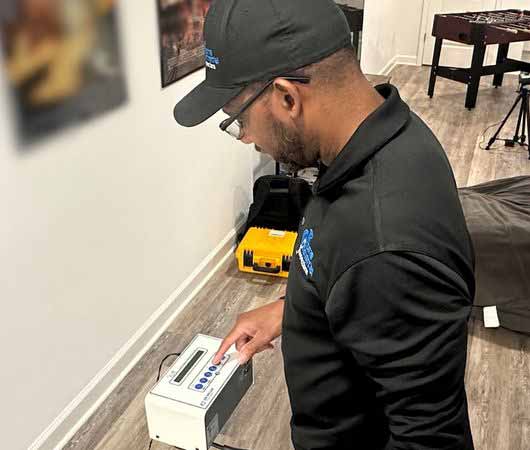
Long-term testing, which measures radon levels for 90 days to a year, provides much more reliable data. These tests capture seasonal variations and give a true average of radon exposure. For homeowners serious about protecting their families, long-term testing or continuous radon monitors offer the most accurate assessment.
Continuous radon monitors have become increasingly affordable and accessible. These devices provide real-time readings and can alert homeowners to spikes in radon levels, allowing for immediate action. Some advanced models even connect to smartphones, letting homeowners track radon levels remotely and observe how they change with weather patterns and seasons.
Practical Recommendations for Homeowners

Test During Fall and Winter
For the most accurate assessment of radon risk, conduct testing during the heating season, ideally between October and March. Testing during these months reveals what radon levels look like when homes are closed up and concentrations are naturally highest.
If buying a home during spring or summer, consider requesting that the seller provide winter radon test results from the previous year, or negotiate to have testing conducted during the next heating season with appropriate contingencies.

Don’t Rely on Short-Term Tests Alone
While 48-hour or 96-hour tests are quick and inexpensive, they’re vulnerable to manipulation and may not reflect true conditions. Supplement short-term screening tests with long-term testing whenever possible.
For homeowners with children, elderly family members, or anyone spending significant time in basement areas, the investment in long-term or continuous monitoring is worthwhile insurance against a serious health risk.

Know Your Mitigation Options
If testing reveals elevated radon levels—anything at or above 4.0 pCi/L—mitigation systems can effectively reduce concentrations by up to 99%. The most common approach is active soil depressurization, which uses a fan and pipe system to draw radon from beneath the foundation and vent it safely above the roofline.
Other mitigation strategies include sealing cracks and openings in foundations, improving ventilation in crawl spaces, and installing radon-resistant construction techniques in new homes. Professional radon mitigation contractors can assess individual homes and recommend the most effective solutions.

Understand the Geography
Radon levels vary significantly by region. The EPA has mapped radon zones across the United States, with Zone 1 areas having the highest potential for elevated indoor radon levels. Homes in Zone 1 counties should be tested regardless of season, and homeowners in these areas should be especially vigilant about long-term monitoring. Much of Ohio falls under Zone 1, with the remainder falling in Zone 2. The Ohio Department of Health says, “Elevated levels of indoor radon have been found in homes in every county of Ohio. Every year, approximately 50% of all homes tested in Ohio have elevated levels of radon.”
Local health departments and state radon programs often provide resources specific to regional radon concerns, including information about local geology, common entry points, and recommended testing protocols.

Raising Awareness: An Ongoing Challenge
Despite decades of public health campaigns, radon remains poorly understood by most homeowners. Many people have never heard of it, don’t know how to test for it, or assume it’s only a problem in certain types of homes or regions.
The seasonal variability of radon levels compounds this awareness problem. Homeowners who test during summer may receive reassuring results that lead them to dismiss radon as a concern, never realizing their family’s exposure during winter months could be dangerous.
Education efforts need to emphasize not just the importance of testing, but the importance of testing at the right time and using appropriate methods. Real estate professionals, home inspectors, and mortgage lenders all play roles in ensuring buyers receive accurate information about radon risks.
Taking Action: Protect Your Home and Family
Radon testing is simple, affordable, and could save lives. Professional testing services typically cost $180 to $300. Compared to the potential health consequences of long-term radon exposure, this is a small investment.
For homeowners who haven’t tested, the approach is straightforward:
Start with a short-term test during winter months to get an initial reading when levels are naturally highest. Follow EPA protocols for proper test placement and conditions.
If results show levels at or above 2.0 pCi/L, consider follow-up testing with a long-term device to understand year-round averages. While the EPA action level is 4.0 pCi/L, health organizations note that no level of radon is completely safe.
If results exceed 4.0 pCi/L, contact a certified radon mitigation professional to discuss installation of a reduction system. Most systems cost between $800 and $2,500 depending on home design and foundation type.
Retest every two years even if initial results were low, as conditions can change over time. New cracks in foundations, changes to soil moisture patterns, or alterations to home systems can affect radon entry.
The Bottom Line
Radon doesn’t follow a convenient schedule. It fluctuates with seasons, weather patterns, and barometric pressure in ways that can leave homeowners exposed to dangerous levels for months without their knowledge.
Understanding these patterns is the first step toward protection. Testing during winter months, using long-term monitoring when possible, and not relying on single summer tests can provide the accurate information needed to keep families safe.
If you’re buying in Columbus, Ohio, don’t let the timing of real estate transactions determine when radon testing happens. Insist on testing that reflects actual living conditions, or plan for follow-up testing during winter months.
Radon is a serious health risk, but it’s also a solvable problem. With proper testing and mitigation when needed, every home can be made safe from this invisible threat.
Take action today: Test your home for radon, especially if you haven’t tested during winter months. Contact your state radon office or visit the EPA’s radon website at epa.gov/radon for information about testing, certified professionals, and resources specific to your area. Your family’s health is worth the effort.