Home Inspections in Columbus Ohio:
What Fails, Costs, and Common Issues
Introduction: Why Home Inspections Matter in Columbus Ohio
Buying a home is one of the biggest financial decisions you’ll ever make, especially in a competitive market like Central Ohio. Whether you’re a first-time buyer, a seller, or an investor, understanding the true condition of a property is critical. This is where a professional home inspection in Columbus Ohio becomes essential.
A home inspection provides an objective, third-party evaluation of a property’s condition. It helps uncover hidden issues, ensures safety, and protects your investment. Many buyers often ask, do I need a home inspection in Columbus Ohio? The answer is almost always yes—because skipping this step can lead to unexpected repairs and costly surprises down the line.
Do I Need a Home Inspection in Columbus Ohio?
Even in a competitive real estate market like Columbus, Ohio, many buyers feel pressure to waive the home inspection in order to make their offer more attractive. While this strategy may sometimes help in securing a property, it also comes with serious financial risks. Homes in this region, especially older properties, may have hidden issues that are not visible during a casual walkthrough.
Buyers often underestimate how unpredictable a property can be. A house may look well-maintained on the surface, but behind the walls there could be outdated wiring, plumbing leaks, or structural weaknesses. Even newly constructed homes are not completely free from defects, as construction errors or missed details can occur during the building process.
A home inspection also provides strong negotiation power. If issues are discovered, buyers can request repairs, price reductions, or seller credits before closing the deal. This helps ensure that you are not overpaying for a property that requires immediate and costly repairs. In many cases, inspection results can even prevent buyers from making a poor investment decision altogether.
What Does a Home Inspector Look for in Columbus Ohio?
A home inspection is a non-invasive, visual examination of a property’s major systems and components. Inspectors provide “representative observations” rather than dismantling structures, but their insights are detailed enough to identify potential concerns.
Here’s a full system breakdown of what inspectors typically evaluate:
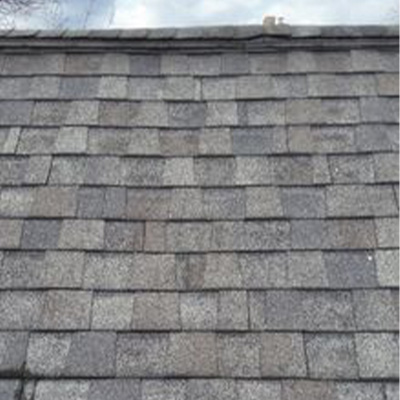
Inspectors examine shingles, flashing, drainage systems, and signs of damage. Advanced tools like drones or thermal imaging may be used to detect hidden issues such as moisture buildup.
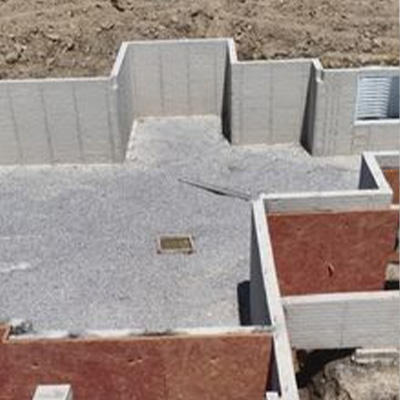
The foundation is checked for cracks, settling, or structural movement. Any sign of instability is flagged as a major concern.
Electrical Systems
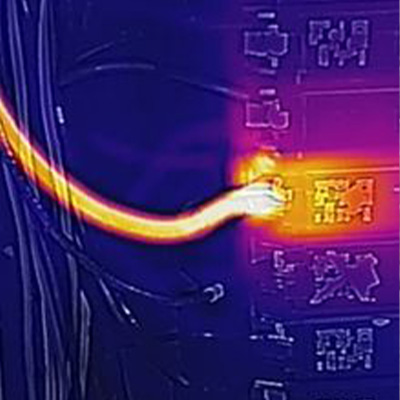
This includes panels, wiring, outlets, and circuit breakers. Inspectors look for hazards like outdated wiring, improper installations, or overloaded systems.
Plumbing Systems
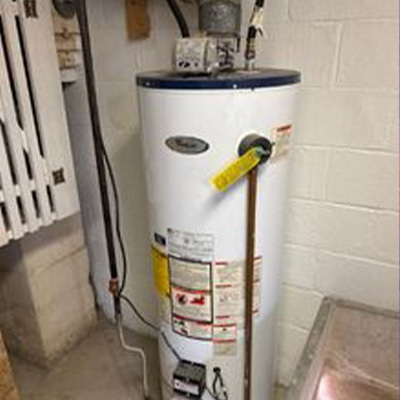
Pipes, fixtures, water heaters, and drainage systems are inspected for leaks, corrosion, and proper functionality.
HVAC Systems
Heating, ventilation, and air conditioning systems are evaluated for performance, age, and maintenance issues.
Attic, Insulation & Ventilation
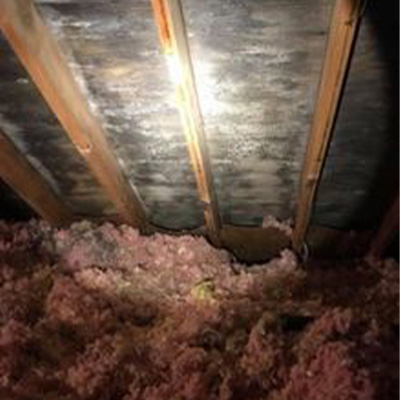
Proper insulation and ventilation are crucial for energy efficiency. Inspectors check airflow, insulation levels, and potential heat or moisture problems.
Moisture Intrusion & Mold Indicators
Signs of water damage, leaks, or mold growth are carefully assessed, as these can impact both structural integrity and health.
If you’re wondering what does a home inspector look for in Columbus Ohio, the answer is simple: everything that affects safety, function, and long-term value.
In Columbus, Ohio, environmental and seasonal conditions also play a major role in home inspections. The region experiences cold winters, heavy rainfall, and humidity changes throughout the year, all of which can gradually affect a home’s structure over time.
For example, roof damage is often linked to snow accumulation and freeze-thaw cycles, which can loosen shingles and create hidden leaks. Similarly, basements are particularly vulnerable in this area due to soil movement and water drainage issues. Many homes in Columbus show signs of minor or major moisture intrusion, which can lead to mold growth if not properly addressed.
Electrical systems in older neighborhoods are another common concern. Some homes still operate on outdated panels that are not designed to handle modern appliances and energy loads, which can create safety hazards if not upgraded properly.
Plumbing issues are also frequently identified, especially in homes built several decades ago. Corrosion, pipe leaks, and reduced water pressure are common findings. Inspectors pay close attention to these details because they directly affect both safety and long-term maintenance costs.
What Fails a Home Inspection in Columbus Ohio?
It’s important to clarify that homes don’t technically “pass” or “fail” an inspection. Instead, inspectors identify issues that may influence negotiations between buyers and sellers.
However, certain problems can significantly impact a deal:
Roof damage or active leaks
Electrical hazards such as faulty wiring or outdated panels
Structural movement or foundation cracks
Water intrusion or drainage issues
HVAC systems not functioning properly
These are considered deal-impacting defects. While they don’t automatically stop a sale, they often lead to repair requests, price adjustments, or even buyers walking away from the deal.
If you’re searching what fails a home inspection in Columbus Ohio, think of it as issues that raise red flags rather than a pass/fail result.
How Long Does a Home Inspection Take in Columbus Ohio?
The duration of a home inspection depends on the size, age, and condition of the property.
Typical timeframes include:
Small homes: around 2 hours
Average homes: 2–3 hours
Larger or multi-family homes: longer inspections
Several factors can affect the timeline, including the home’s age, overall condition, and whether additional services are requested. Add-ons like radon testing, sewer scope inspections, or mold testing can extend the process.
At the end of the inspection, most professionals provide a walkthrough to explain their findings. This ensures you fully understand the condition of the property and can ask questions directly.
So if you’re asking how long does a home inspection take in Columbus Ohio, expect a few hours plus additional time for review and reporting.
Who Pays for a Home Inspection in Columbus Ohio?
In most cases, the buyer pays for the home inspection. This is standard practice because the inspection primarily benefits the buyer by providing detailed insights into the property.
However, there are exceptions:
Sellers may pay for pre-listing inspections to identify issues early
Investors or commercial buyers may handle inspections differently depending on the deal
Regardless of who pays, the goal remains the same: to ensure transparency and reduce risk in the transaction.
If you’re wondering who pays for a home inspection in Columbus Ohio, the simple answer is usually the buyer—but it can vary based on the situation.
What Happens After the Inspection?
Once the inspection is complete, you’ll receive a detailed report—often within the same day or within 24 hours. This report includes findings, images, and recommendations.
Here’s how the findings are typically used:
Negotiations
Buyers may request repairs or price reductions based on identified issues.
Repairs
Sellers may agree to fix certain problems before closing.
If major issues are discovered, buyers may choose to exit the deal entirely.
A high-quality inspection report adds value by providing clear documentation, defensible findings, and professional recommendations. It becomes a powerful tool during negotiations and decision-making. After receiving the inspection report, many buyers experience a mix of emotions. It is common to feel overwhelmed when seeing a long list of issues, but it is important to understand that not all findings are serious. Inspection reports typically include both minor maintenance recommendations and major structural concerns.
Buyers usually review the report with their real estate agent to decide the next step. In some cases, only small repairs are requested, while in others, buyers negotiate significant price reductions or seller concessions. If major problems are discovered, some buyers may choose to walk away from the deal entirely, especially if repair costs are too high.
Sellers, on the other hand, may agree to fix certain issues in order to keep the transaction moving forward. This negotiation phase is a critical part of the home buying process, as it directly impacts the final agreement between both parties.
Ultimately, the inspection report acts as a powerful decision-making tool. It helps buyers understand the true condition of the property and ensures that they are making a financially sound investment.
Why Choosing the Right Home Inspector in Columbus Ohio Matters
Not all home inspectors offer the same level of expertise. Choosing the right professional can make a significant difference in the accuracy and usefulness of the inspection.
An experienced inspector brings:
Over 16 years of industry experience
Knowledge of both residential and commercial properties
Familiarity with ASTM E2018 standards
Use of advanced tools like thermal imaging and drones
More importantly, a skilled inspector focuses on:
Accuracy in identifying issues
Clarity in reporting
Risk identification to protect your investment
This ensures you’re not just getting a checklist, but a reliable assessment you can trust.
Call to Action
If you’re planning to buy, sell, or invest in property, don’t skip the inspection process. A professional home inspection in Columbus Ohio provides the clarity and confidence you need to move forward.
Schedule your inspection today and benefit from:
Easy online booking
Transparent pricing
Fast turnaround times
Make informed decisions with no guesswork—just clear, actionable insights.
James Jones has nearly 30 years of experience performing home and commercial property inspections. He specializes in environmental testing, thermal imaging, drone inspections, and building performance assessments. As a member of the Board of Directors for the American Society of Home Inspectors (ASHI), he is committed to helping homebuyers, homeowners, businesses, and investors make informed property decisions through thorough inspections and clear, actionable reporting.