Roof, HVAC, and Electrical: The Big Three Systems in Commercial Inspections
When it comes to commercial property inspections, not all components carry the same weight. While every part of a building matters, three systems consistently rise to the top in terms of cost, safety, and long-term impact: the roof, the HVAC system, and the electrical infrastructure.
If you’re buying, leasing, or maintaining a commercial property, understanding these “big three” can make the difference between a solid investment and an expensive surprise.
At Home & Commercial Inspections, these systems are always a major focus—and for good reason.
Unlike residential roofs, commercial systems are often flat or low-sloped. That design makes them more vulnerable to:
Standing water
Membrane wear and tear
Drainage issues
Over time, even small problems can lead to leaks that affect insulation, ceilings, inventory, and equipment.
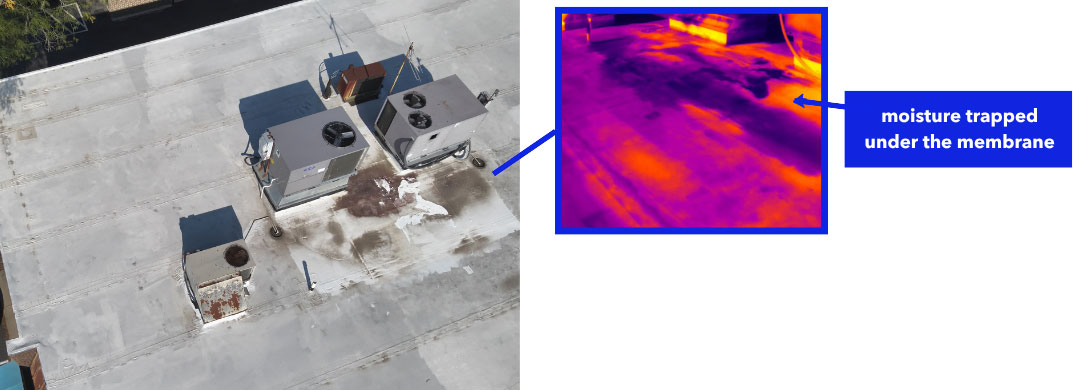
One of the challenges with commercial roofs is that damage isn’t always obvious. A roof can look fine at a glance but still have:
Soft spots beneath the surface
Aging materials nearing the end of their lifespan
Improper repairs from previous work
A thorough inspection helps identify not just current issues, but also how much life the roof likely has left. That’s critical when budgeting for future repairs or negotiating a purchase.
HVAC: Comfort, Efficiency, and Cost
Heating, ventilation, and air conditioning systems are the workhorses of any commercial building.
Whether it’s an office, retail space, or industrial facility, HVAC affects:
Occupant comfort
Air quality
Energy usage
And when something goes wrong, it can get expensive fast.
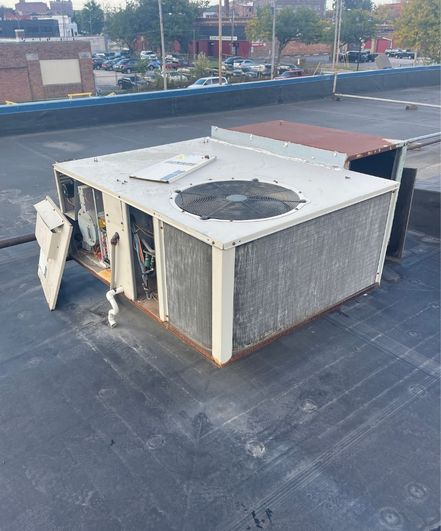
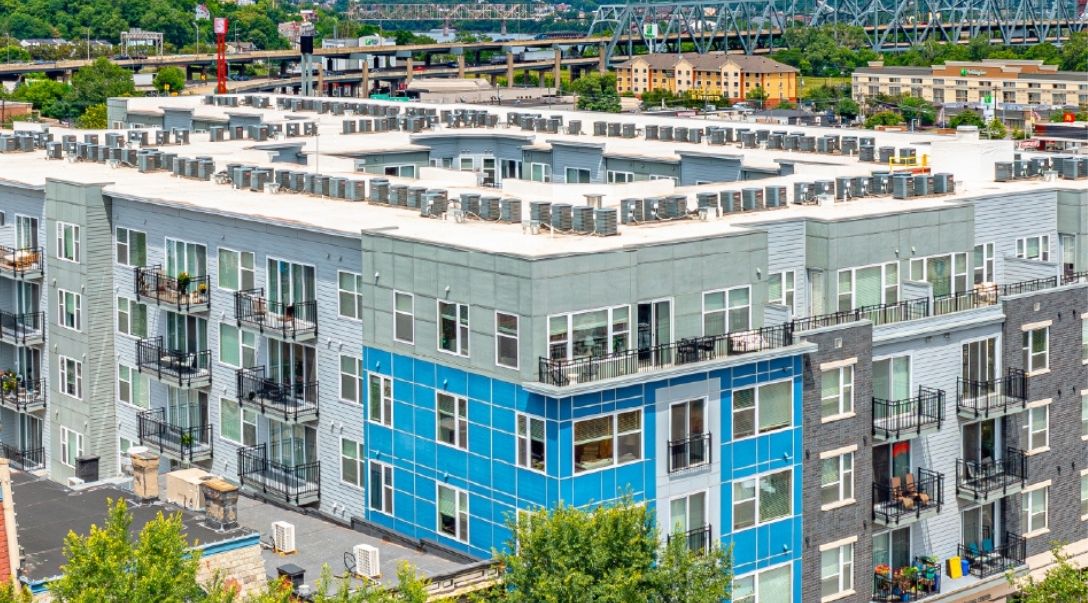
Commercial HVAC systems are often larger and more complex than residential ones. They may include rooftop units, multiple zones, and extensive ductwork. With more components comes more potential for wear and failure.
During an inspection, key concerns include:
Age and condition of the units
Signs of deferred maintenance
Airflow and ventilation performance
Efficiency compared to current standards
In climates like Ohio’s, where buildings deal with both hot summers and cold winters, HVAC systems work hard year-round. That constant demand can shorten their lifespan if they’re not properly maintained.
Knowing the condition of the system upfront helps avoid unexpected breakdowns—and gives you a clearer picture of future operating costs.
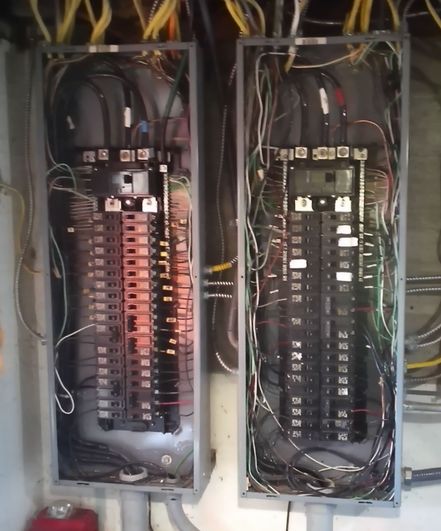
From lighting and outlets to specialized equipment, modern commercial spaces depend heavily on reliable electrical infrastructure.
An inspection looks beyond whether the lights turn on. It evaluates:
Panel capacity and configuration
Condition of wiring and connections
Signs of overheating or improper installation
Compliance with current safety standards
Older commercial properties, in particular, may have systems that were designed for a different era. As businesses add more equipment and technology, electrical demand increases. If the system hasn’t been updated, it can lead to:
Overloaded circuits
Frequent interruptions
Potential fire hazards
Identifying these issues early is essential—not just for safety, but for planning upgrades and avoiding costly downtime.
Why These Three Matter Most
Each of these systems plays a different role, but they share one thing in common: they’re expensive to repair or replace.
A failing roof can lead to widespread interior damage
An outdated electrical system can limit how the space is used—or create safety risks
Together, they represent a significant portion of a building’s value and functionality.
That’s why commercial inspections place such a strong emphasis on evaluating their condition, performance, and remaining lifespan.
A Practical Approach to Commercial Inspections
At Home & Commercial Inspections, the goal isn’t just to point out problems—it’s to provide context.
When evaluating the roof, HVAC, and electrical systems, a thorough inspection helps you understand:
What’s working as expected
What may need attention soon
What could require significant investment
This kind of insight is especially valuable during a purchase or lease negotiation. It allows you to plan ahead, budget realistically, and make informed decisions about the property.
The Bottom Line
Commercial buildings are complex, but focusing on the big three systems—roof, HVAC, and electrical—gives you a strong foundation for understanding the overall condition of a property.
These systems affect safety, performance, and long-term costs more than almost anything else.
A detailed inspection doesn’t just tell you what’s there—it helps you see what’s coming.
And when you’re making decisions about a commercial property, that kind of clarity is hard to beat.