

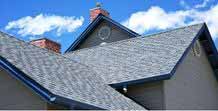
Start at the top. Inspectors will check for signs of leaks, missing or damaged shingles, rust on metal roofs, moss buildup, and the overall age of the roofing system. These issues can lead to costly repairs down the road and disrupt your family’s comfort and safety.
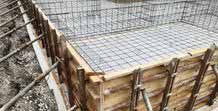
Foundation issues can be major. Watch for bulging walls, visible cracks, water infiltration, and uneven flooring. Ask whether the home has experienced settling or shifting over time.
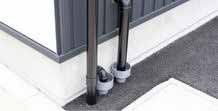
Water is a big enemy of homes. Make sure gutters are clear, down-spouts divert water away, and the land slopes away from the foundation. Poor drainage can lead to moisture, mold, or structural issues.

These might seem minor, but they're key. Inspect window seals, check for wood rot or rust, make sure doors open and close properly, and look for drafty spots. These not only affect comfort but are signs of deeper problems.

On the inside, look at walls, ceilings, and floors for signs of water damage, cracking, or sagging. Ensure plumbing works properly — faucets turn on cleanly, drains flow, water heaters operate, and there are no visible leaks. Check electrical outlets, wiring, and panels for safety issues like missing GFCIs or outdated fuse systems.

Inspectors will evaluate the furnace, air-conditioning system, and venting to make sure everything operates as it should. Older systems or neglected maintenance can impact comfort, utility bills, and safety.

Look beneath sinks, around toilets, and in basements for leaks or discoloration. Corrosion, loose fittings, and failing seals can become major headaches later.

Many older Ohio homes may have outdated outlets, ungrounded systems, or panels that don’t meet current codes. Check for frayed wires, overloaded outlets, and signs of amateur modifications.