What a Columbus & Central Ohio home inspection reveals about electrical safety, common problems, and the warning signs worth asking about.
During a Columbus or Central Ohio home inspection, the electrical system is evaluated for panel condition, wiring, grounding, overcurrent protection, and the safe installation of switches, receptacles, and fixtures. A home inspection isn’t a substitute for a full electrical contractor evaluation. It flags visible red flags (exposed wiring, missing GFCI/AFCI protection, an overloaded or damaged panel) and tells you when a licensed electrician should take a closer look before you close.
The electrical system is one of the most important systems in a home to have evaluated, not just for how it functions but for how safely it was installed and maintained. Of every system covered in a home inspection, electrical carries the most direct safety risk. A problem here can contribute to fire, shock, or property damage in a way that most other home systems don’t.
A home inspection can provide buyers with valuable information about the electrical system’s visible condition, panel setup, grounding, and other accessible components. Understanding what an inspector looks for and recognizing common problems can help home buyers make better decisions before purchasing a property.
An electrical problem does not automatically mean a full rewire or panel replacement. The age, condition, code compliance at the time of installation, and severity of any observed defect should all be considered. When a condition requires specialized diagnosis or repair, further evaluation by a licensed electrician may be appropriate.
The electrical panel is the most important single component in an electrical inspection. It’s the point where power enters the home and is distributed to every circuit in the building, which makes it the natural starting point for evaluating the system as a whole.
An inspection typically begins outside the home, at the point where the service wires connect to the structure. The inspector checks that this connection is securely attached, notes anything obstructing the wiring, and confirms that any visible wiring is properly insulated with no exposed metal.
From there, the inspection moves to the panel itself: the condition of the enclosure, the breakers or fuses inside it, the grounding and bonding connections, and the general condition of the wiring throughout the home wherever it’s visible and accessible. HC Inspectors’ process follows the applicable Standards of Practice for electrical systems.
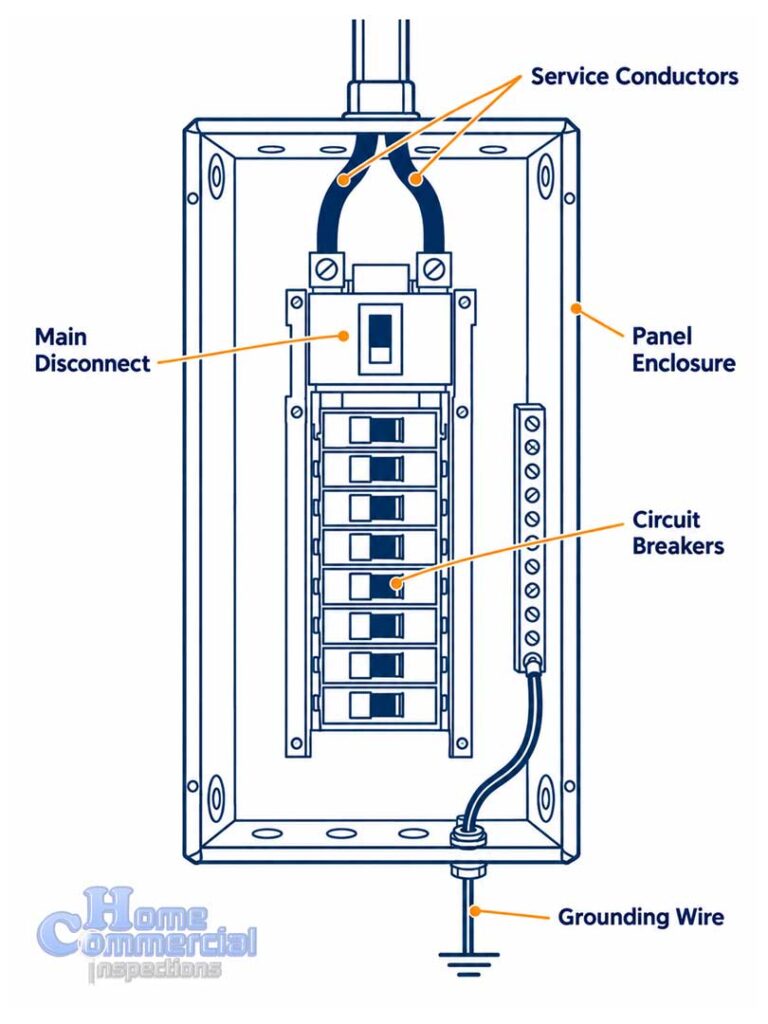
During a home inspection, the inspector evaluates accessible and observable portions of the electrical system within the scope of the inspection.
Depending on the home’s age, panel type, and accessibility, an inspection may include observations of:
HC Inspectors’ home inspection process includes evaluation of the accessible electrical panel, visible wiring, and installed safety devices as one part of a complete, whole-home evaluation, not as a standalone service. Their inspection reports also explain that some conditions, including wiring concealed inside walls or components requiring disassembly, may fall outside the standard inspection scope.
A standard home inspection is not the same as a full electrical contractor evaluation. Some components cannot be fully assessed without specialized testing or procedures outside the scope of a visual inspection.
When an inspector identifies a condition that requires specialized diagnosis, the report should explain the concern and recommend appropriate further evaluation when necessary.
Electrical problems can range from minor code-compliance gaps to defects that present a real safety hazard.
The electrical panel and the service entrance leading into it are where many of the most significant findings turn up.
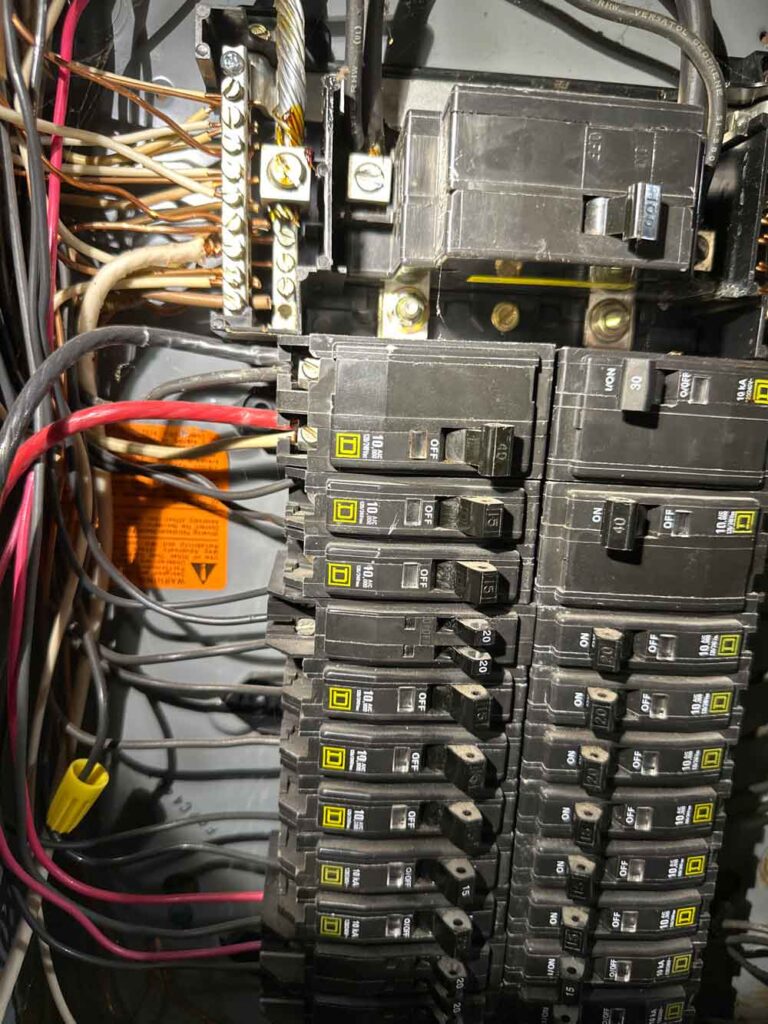
An inspector looks at whether the service cable and main disconnect are sized appropriately for the home’s electrical demand, whether the panel enclosure is in good repair without obvious physical damage, and whether the connection from the service wires into the home is secure and free of obstruction. Inside the panel, the neutral bus connections and the breaker bus bar and terminal connections are checked for proper termination, since a loose or improperly terminated connection at either point can lead to overheating.
Older panels, or panels that have had components added or swapped out over time, are more likely to show these kinds of issues than a panel that’s been left as originally installed. When a panel is undersized or outdated, a licensed electrician can evaluate whether a panel upgrade is warranted.
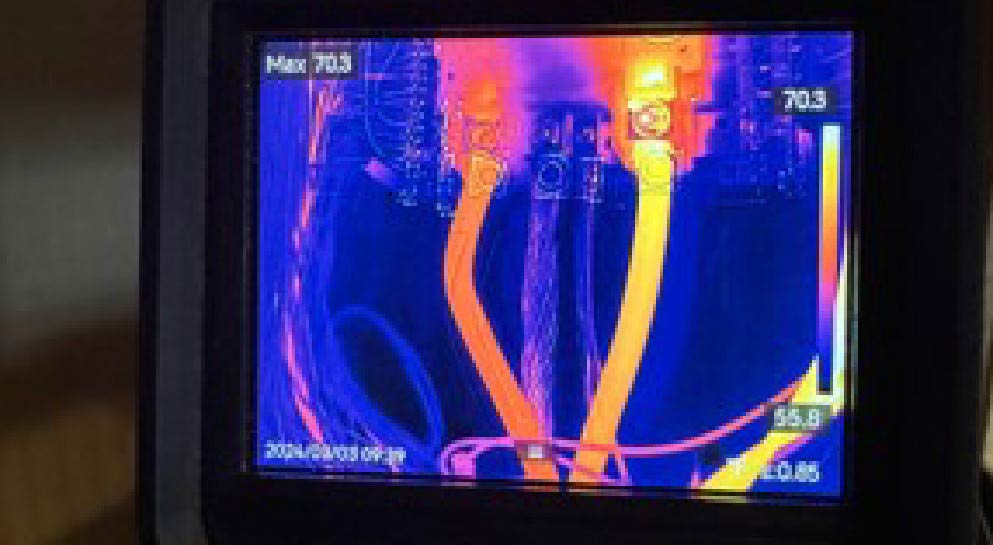
Wiring problems can be some of the hardest electrical issues to spot, since most of a home’s wiring runs inside walls, floors, and ceilings where it isn’t visible during a standard inspection.
Where wiring is accessible, an inspector looks at the condition of the insulation, whether wire splices are properly contained inside a closed electrical box rather than left exposed, and whether conduits are securely attached to the building structure and the boxes they enter. Damaged or deteriorated insulation, exposed splices, and wiring that terminates outside of a proper enclosure are all common findings.
Unused openings in the top, sides, or bottom of electrical boxes, panels, and junction boxes should be closed or sealed, and junction box covers should be securely in place. Gaps like these aren’t just a code issue; they’re a point where dust, moisture, or accidental contact can become a real hazard over time.
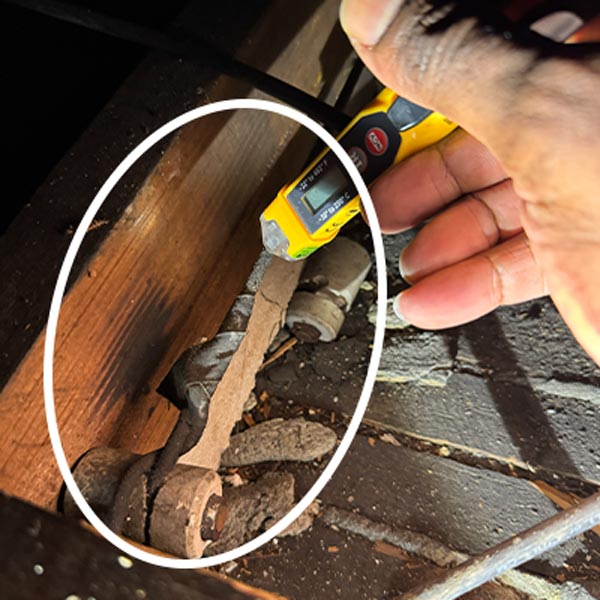
A properly grounded electrical system gives excess current a safe path to follow instead of through a person, an appliance, or the structure itself.
An inspector evaluates whether the distribution system is appropriately grounded and whether the grounding and bonding connections at the panel are correctly installed. Grounding problems aren’t always obvious from a visual inspection alone, since a system can appear to function normally day to day while still lacking proper grounding. This is one of the areas where a home inspection’s findings most often lead to a recommendation for further evaluation by a licensed electrician, since correcting a grounding deficiency usually isn’t a simple fix.
Homes that have gone through additions, renovations, or partial rewires over the years are more likely to have a grounding inconsistency somewhere in the system than a home that’s had a single, original installation.
Breakers and fuses are the electrical system’s built-in safety mechanism, designed to cut power to a circuit before a fault can cause a fire.
An inspector checks the functionality of each overcurrent protection device and confirms that distribution breakers and distribution wires are sized appropriately for the circuits they protect. A breaker that’s undersized, oversized, or mismatched for its wiring can fail to trip when it should, or trip more often than it should, either of which points to a problem worth investigating further.
A thermal imaging camera adds another layer to this part of the inspection. It can detect hot spots at connections, overloaded circuits, or loose terminations that aren’t visible to the eye but show up as unusual heat patterns, sometimes catching a developing problem well before it becomes obvious through normal use.
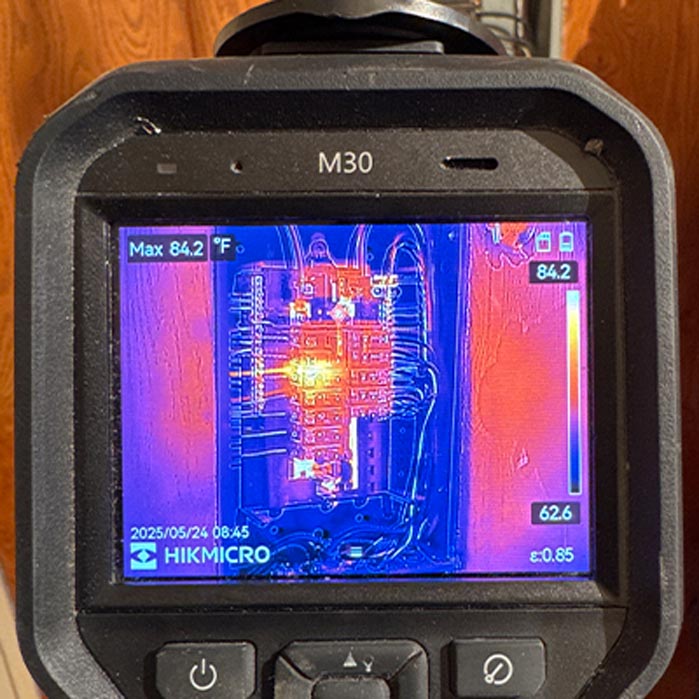
Ground fault circuit interrupters and arc fault circuit interrupters are two of the more modern safety devices found in a home’s electrical system, and their presence, or absence, is one of the more common findings in an inspection.
GFCI protection is typically expected in areas where water and electricity are more likely to be in close proximity, such as kitchens, bathrooms, and exterior outlets. AFCI protection is designed to detect the kind of electrical arcing that can start a fire inside a wall, and is typically expected on many interior circuits. A home’s age plays a large role here: a house built before these devices became standard practice may not have them installed anywhere, while a newer home might be missing them only in specific rooms or circuits added later.
Missing or non-functioning GFCI and AFCI protection doesn’t necessarily mean the wiring underneath is unsafe, but it does mean a layer of protection that current standards call for isn’t currently in place.
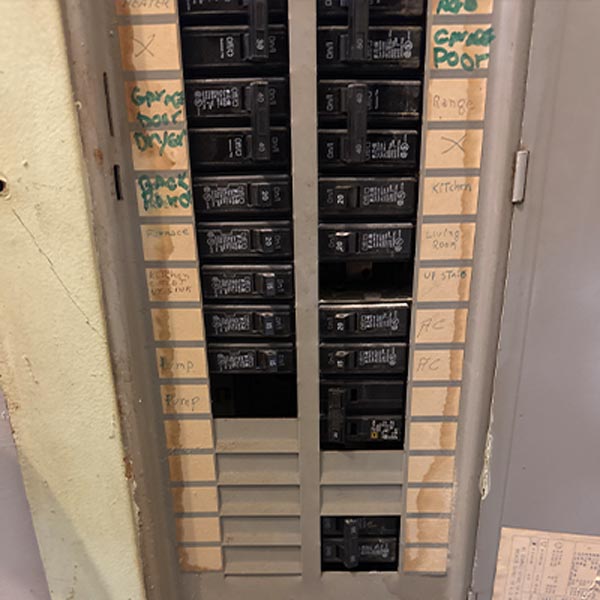
A properly labeled and accessible panel matters more than it might seem, especially in an emergency.
Every circuit breaker and electrical disconnect should be labeled with the equipment or branch circuit it controls, so that power can be shut off quickly and correctly when needed. An inspector also checks that breaker panels and disconnects have clear, unobstructed access with proper clearance around them, and that all breaker spaces not currently in use are covered rather than left open.
These findings are common, often simple to correct, and worth noting even when nothing else about the panel raises a concern. A panel that’s difficult to access or poorly labeled can turn a minor issue into a bigger one if power needs to be cut quickly.
Electrical problems can develop for many different reasons. Common causes include:
For example, a home that’s had multiple owners and rounds of renovation over the decades is more likely to have inconsistent wiring methods across different parts of the house than a home with a single, original installation.
Understanding the cause is important because correcting a symptom, like replacing a breaker that keeps tripping, without addressing the underlying wiring or connection issue can allow the same problem to return.
Home buyers should pay attention to visible or noticeable signs that may indicate the electrical system requires additional attention.
Warning signs can include:
These signs do not necessarily identify the exact cause of a problem. Instead, they indicate that the condition should be investigated rather than ignored, which is exactly what a full home inspection is designed to do before you’re locked into a purchase.
Of every system in a home, electrical is the one where a problem can escalate fastest.

Electrical problems can contribute to fire, shock, or injury. This is the one system in a home where a defect carries the most direct risk to the people living there.

An outdated or overloaded panel may not keep up with a modern home’s electrical demand, leading to nuisance tripping or an inability to run everything a household needs at once.

Homes built or renovated before current safety standards may lack protections, like GFCI or AFCI devices, that would be required in new construction today.

Some insurers ask about panel type and age, and certain older panel brands or configurations can affect coverage or premiums.

A significant electrical problem discovered after closing can become a costly and safety-critical surprise for a new homeowner.
This is exactly why the electrical system is evaluated as part of a full home inspection rather than in isolation. An electrical problem rarely tells the whole story about a house on its own. Schedule your home inspection with HC Inspectors to get a complete picture of the electrical system alongside every other major system before you close.
Regular attention can help catch electrical problems while they’re still minor. Homeowners should:
Small electrical issues rarely stay small. Addressing a loose connection or a missing cover early is almost always less costly, and safer, than waiting.
Further evaluation by a licensed electrician may be appropriate when an inspection identifies a condition that cannot be fully diagnosed during a standard home inspection. Examples may include:
A home inspector can identify and report observable concerns, but a licensed electrician may be needed for a detailed diagnosis, repair, or panel replacement recommendation.
A home inspector evaluates accessible portions of the electrical system, including the panel, visible wiring, grounding, overcurrent protection, and a representative sample of switches, receptacles, and fixtures, within the scope of the inspection.
The most common findings are outdated or undersized panels, missing or non-functioning GFCI/AFCI protection, grounding deficiencies, improperly terminated connections, and labeling or access issues at the panel.
No. Age alone does not determine whether a home needs to be rewired. The system’s condition, any prior modifications, and any observed defects should all be considered together.
A labeled panel allows power to be shut off quickly and correctly in an emergency. Unlabeled or poorly labeled panels are a common, and usually simple to correct, inspection finding.
An inspector can evaluate visible and accessible wiring, but wiring concealed inside walls, floors, or ceilings generally falls outside the scope of a standard visual inspection. A licensed electrician may be needed to evaluate wiring that isn’t accessible.
Current standards generally call for GFCI protection in areas like kitchens, bathrooms, and exterior outlets, and AFCI protection on many interior circuits. Older homes may not have either, depending on when they were built or last rewired.
A thermal camera can detect hot spots at connections, overloaded circuits, or loose terminations that aren’t visible to the eye but show up as unusual heat patterns.
A separate evaluation by a licensed electrician may be appropriate when the home inspection identifies significant concerns, suspected grounding issues, overheating, or conditions requiring closer diagnosis than a visual inspection allows.
There’s no fixed schedule for most homes, but older systems, homes with a history of DIY work, or homes showing warning signs like frequent breaker trips benefit from periodic evaluation by a licensed electrician.
No. The electrical system is evaluated as part of a broader home inspection covering observable conditions within the inspection scope. A detailed diagnosis or repair should come from a licensed electrician.
The electrical system carries more direct safety risk than any other system in a Central Ohio home. Understanding what’s inspected and recognizing common problems can help buyers make more informed decisions during the home-buying process.
An electrical issue does not need to mean a full rewire, and an older panel does not automatically mean replacement is necessary. What matters is understanding the system’s current condition, identifying significant defects, and determining whether additional evaluation is appropriate.
For Columbus and Central Ohio home buyers, a professional home inspection can provide valuable information about the condition of the electrical system, along with every other major system in the home, before a purchase is completed. When an inspection identifies a concern that requires specialized diagnosis, working with a licensed electrician can help determine the appropriate next step.
Schedule your home inspection with HC Inspectors and get a complete evaluation of the electrical system and every other major system, including the roof, furnace, plumbing, and structure, in one visit.