What a Columbus & Central Ohio home inspection reveals about crawl space moisture, common problems, and the warning signs worth asking about.
During a Columbus or Central Ohio home inspection, the crawl space is checked, where it can be safely entered, for moisture, standing water, ventilation, insulation, and visible structural or mechanical problems. A home inspection does not replace a specialist’s evaluation. It flags visible red flags and tells you when a professional should take a closer look before you close.
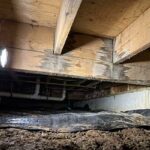
A crawl space is the shallow area between the ground and the underside of a home’s first floor, enclosed by the foundation walls. It is not a basement, and most people never see it, but it sits directly against soil, which makes it one of the damper places in a house. What happens down there affects the floor framing above it and, over time, the rest of the home.
Crawl spaces come in two main types. A vented crawl space has openings in the foundation walls so outside air can circulate, and its insulation usually sits between the floor joists above. A sealed, or conditioned, crawl space has its vents closed, its walls insulated, and its ground covered, so the space is treated as part of the home rather than as the outdoors.
Vents were meant to keep crawl spaces dry, but in humid weather the outside air is often wetter than the air in the crawl space. The Department of Energy notes that this can cause structural, mold, and pest problems, and model building codes now allow unvented, conditioned crawl spaces for that reason.
Either type can work well when it is dry and maintained, and either can fail when it isn’t. The EPA describes crawl spaces with high humidity as common sites of hidden mold growth, and notes that moisture can move from a crawl space into the rest of the building. That is why the condition of a crawl space is worth understanding before you buy.
Where a crawl space can be safely entered, the inspector evaluates the visible, accessible conditions within the scope of the inspection. Depending on access and conditions, that may include observations of:
Not every crawl space can be entered. The ASHI Standard of Practice says an inspector may skip a crawl space with less than 24 inches of vertical clearance or an access opening smaller than 16 by 24 inches, and the InterNACHI Standards of Practice do not require entry into a crawl space that is not readily accessible or where entry could be hazardous. When that happens, the report should say what was not inspected and why, and that is worth knowing before you rely on it.
HC Inspectors’ home inspection process includes evaluation of the crawl space and its accessible components as one part of a complete, whole-home evaluation, not as a standalone service.
A standard home inspection is also not a mold test or a wood-destroying insect inspection. Both standards say an inspector is not required to determine the presence of mold, and the ASHI standard adds wood-destroying organisms to that list. Buyers who want those questions answered can have a qualified specialist look further.
When an inspector identifies a condition that requires specialized evaluation, the report should explain the concern and recommend appropriate further evaluation when necessary.
Crawl space problems can range from minor maintenance items to moisture conditions that affect framing, insulation, and indoor air.
Water in a crawl space usually comes from outside. Rain that isn’t carried away from the foundation can seep through the walls, pool along the footing, or rise through the soil floor, leaving standing water, mud, or wet stains.
The InterNACHI Standards of Practice have inspectors report observed indications of active water penetration. Other clues include water lines on walls and piers, white mineral deposits on masonry, and rust on metal fasteners and hangers.
A crawl space can be dry on inspection day and still take on water after a heavy storm, so evidence of past water matters as much as present water. Where a sump pump or drain system is present, an inspector can note its visible condition but can’t confirm how it will perform in a major storm.
Water entry that isn’t corrected can damage framing and insulation and raise humidity throughout the space, so persistent moisture is worth having a drainage or waterproofing professional evaluate.
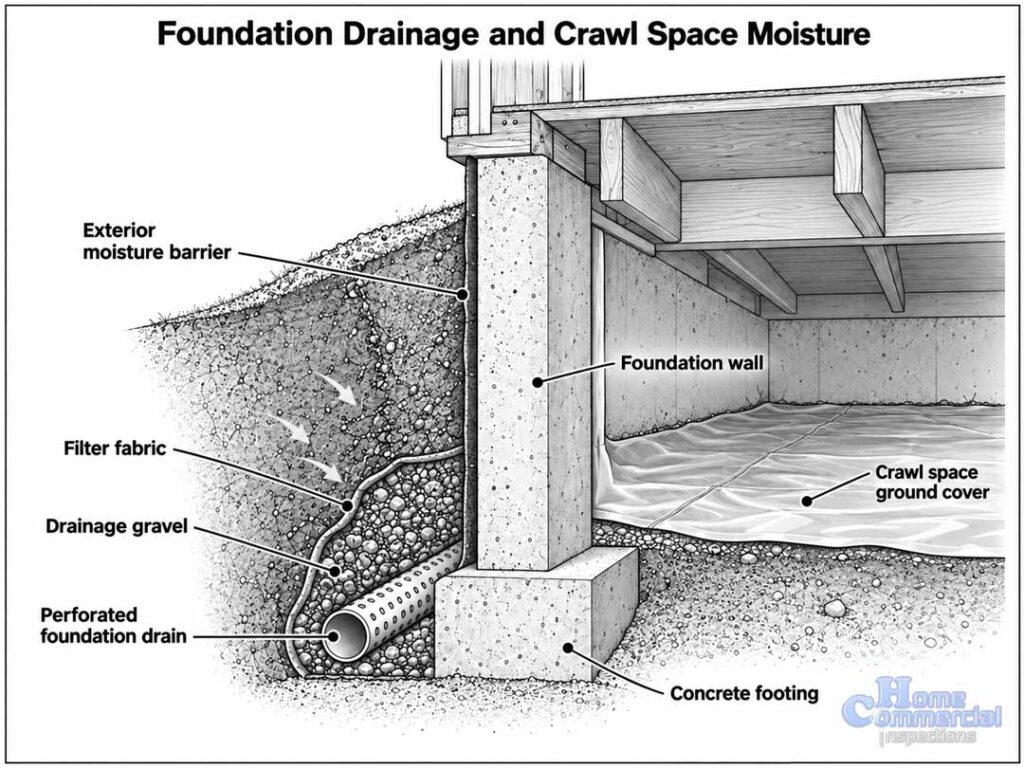
A crawl space with no standing water can still have a moisture problem. Soil and concrete give off water vapor all the time, and a bare earth floor can wick moisture up into the air of the space.
The EPA recommends keeping indoor relative humidity below 60 percent, ideally between 30 and 50 percent, and describes crawl spaces with high humidity as common sites of hidden mold growth.
In summer, warm, humid air can meet cooler surfaces such as ductwork, cold-water pipes, and foundation walls, and condense on them. Droplets on pipes and ducts, damp-looking framing, rusty fasteners, and a musty smell are common clues.
An inspector can report these conditions, but humidity changes with the weather and the season, so a single visit shows only a snapshot. A reading that looks fine in a dry October may not tell the story of a humid July. A dehumidifier or fan added to the space is noted too, but an inspector can’t confirm how well it controls humidity over time.
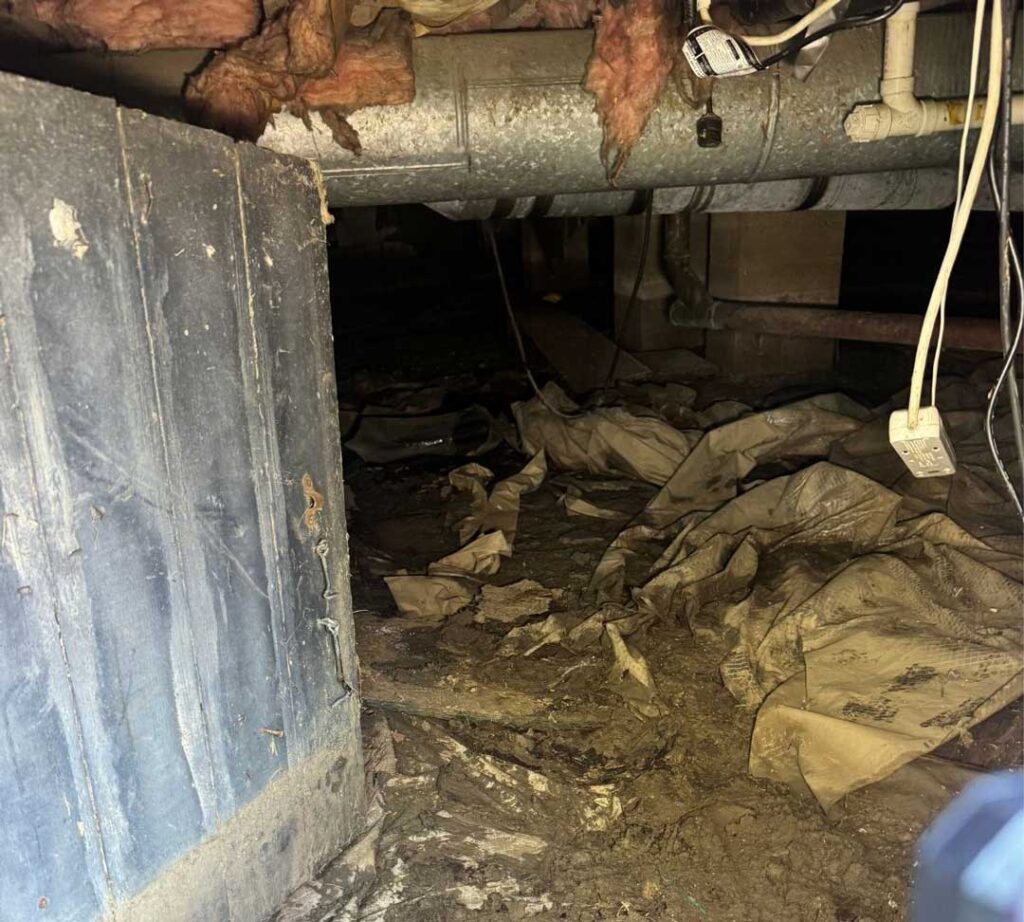
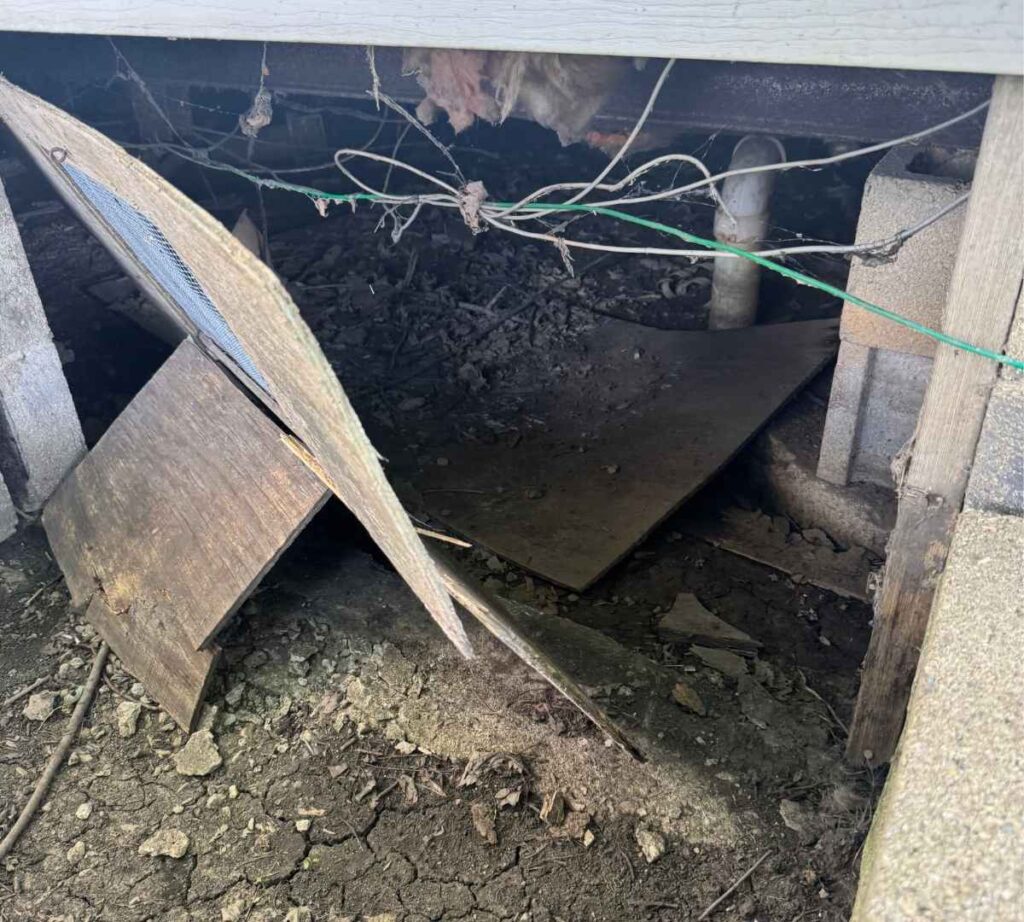
Traditional crawl spaces rely on vents in the foundation walls so outside air can move through. Blocked, buried, or missing vents can trap stale, damp air, while open vents in humid weather can let moisture in.
Inspectors note whether vents are present, whether soil, plants, or debris are covering them, and whether they have been sealed. Sealing the vents is common, but it only helps when the rest of the space is prepared for it, with ground cover, insulation, and a way to control humidity. Vents should also be intact, since missing screens can let animals in.
A sealed crawl space without those pieces can hold moisture in rather than keep it out. Homes where vents were closed as a do-it-yourself fix are worth a closer look.
The InterNACHI Standards of Practice have inspectors report the general absence of ventilation in unfinished spaces, but they do not require the inspector to determine whether ventilation is adequate.
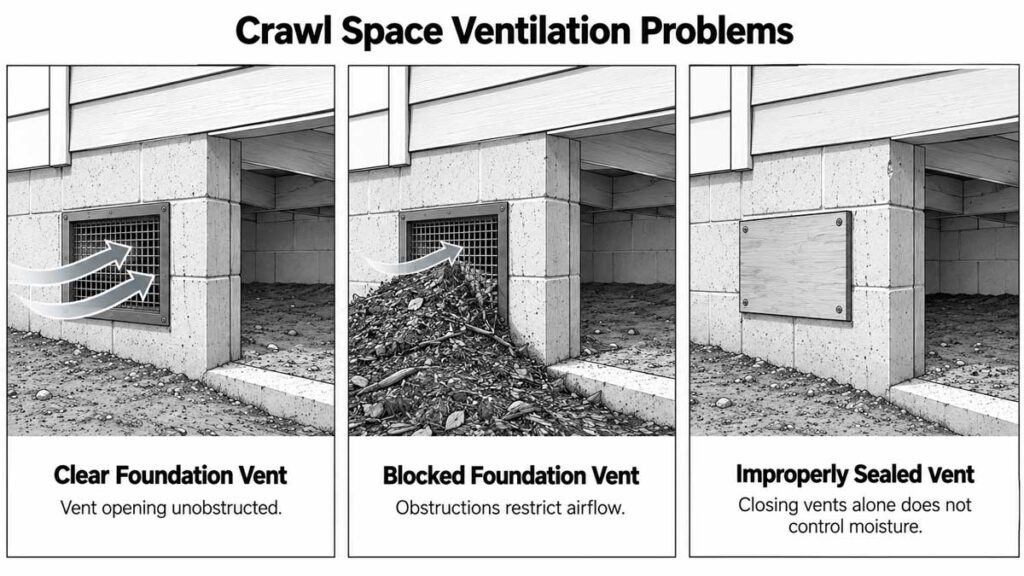
The soil under a home releases moisture all year, and a ground cover, usually plastic sheeting, limits how much of it reaches the air in the crawl space. Inspectors look at whether it is present, whether it covers the whole floor, and whether it is intact.
A Building America guide to sealing a crawl space calls for polyethylene sheeting at least 6 mils thick over the entire ground, with seams and tears taped and the edges carried at least 6 inches up the walls.
Missing, torn, bunched, or partial coverage is common in older crawl spaces. Wood scraps and other organic debris left on the ground are a separate concern, because the InterNACHI crawl space guide notes that organic matter left in the soil is a major cause of termite infestation.
Inspectors are not required to move or disturb vapor retarders, so a report describes what is visible and can’t confirm what is hidden underneath.
Crawl space insulation is often fiberglass batts held up between the floor joists. When humidity or leaks reach it, the insulation can get damp, sag, and fall away from the floor above.
Insulation that has fallen, was never installed, or is stained and compressed isn’t doing its job. The result can be colder floors and higher heating costs in winter, and the same moisture that soaked the insulation may be affecting the wood behind it.
Inspectors also look at the access hatch, where missing insulation or a poor seal lets cold air and moisture into the space.
The inspector describes the insulation type and approximate depth and reports its general absence, but is not required to move or disturb it, so what is hidden behind it can’t be confirmed. Spray foam or rigid foam on the walls of a sealed crawl space is evaluated the same way: the inspector reports the condition of what is visible.
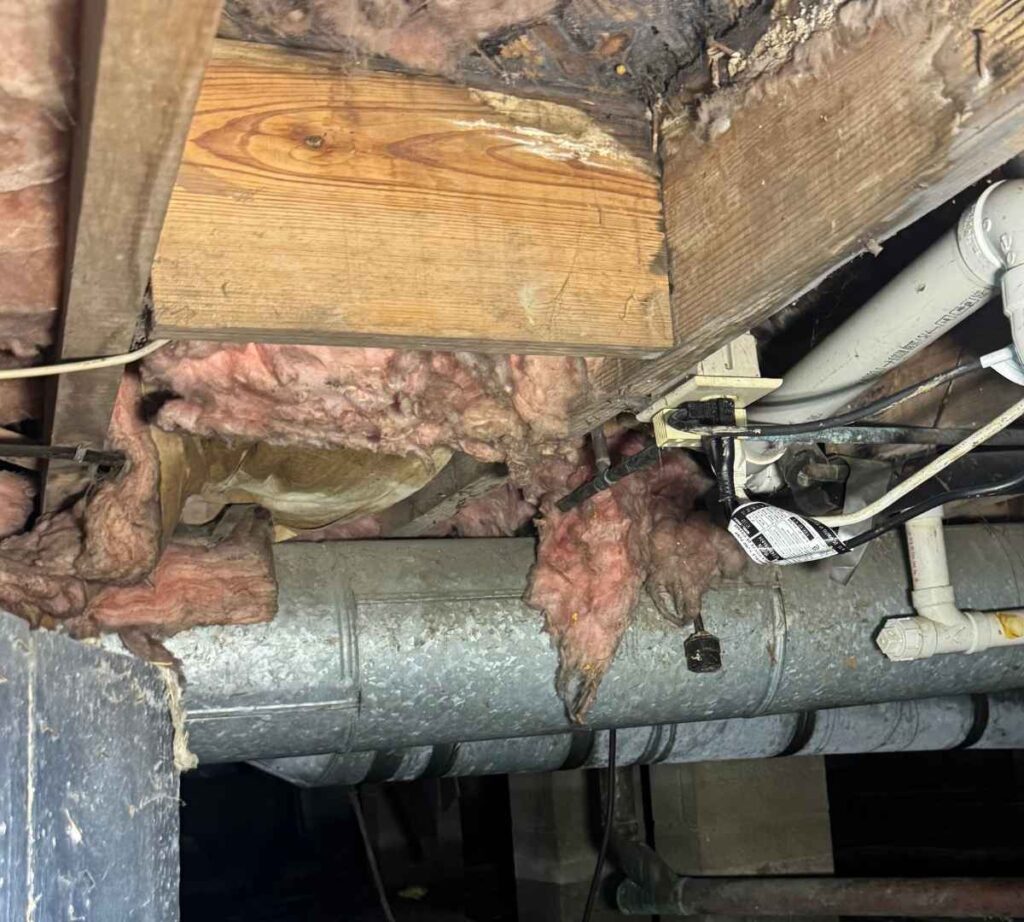
Wood that stays damp can decay, and damp conditions can attract insects. Floor joists, beams, sill plates, and posts are common places to look for wood that is soft, dark, stained, or crumbling.
Wood in contact with or near the soil is a particular concern, and the InterNACHI Standards of Practice have inspectors report it. Mud tubes, damaged wood, and visible droppings are signs of insect activity that an inspector can note. Floors that feel soft, springy, or uneven from the living area above can be a clue that moisture has been at work below.
Visible mold-like growth and musty odors are also reported as observed. A visual inspection can’t identify what a growth is or measure how much is present, and neither standard requires an inspector to determine the presence of mold.
If a buyer is concerned, a mold test or a wood-destroying insect inspection by a qualified specialist can answer questions that a visual home inspection can’t.
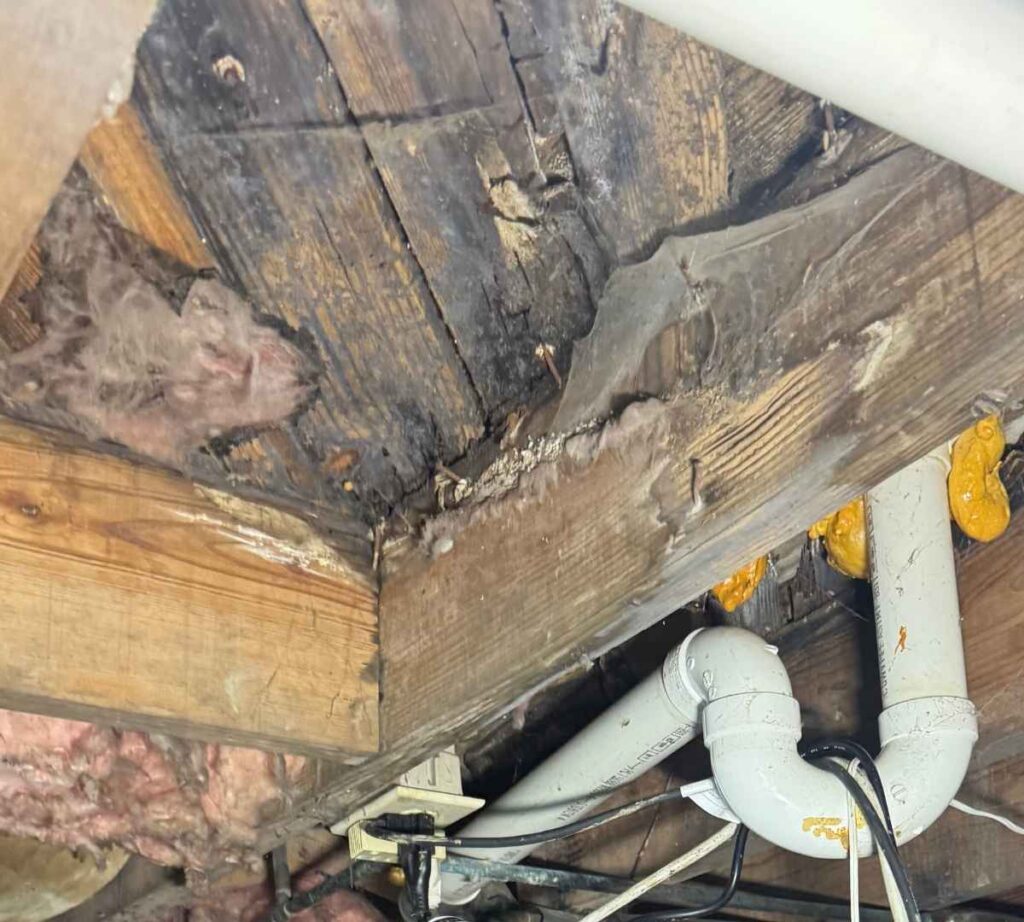
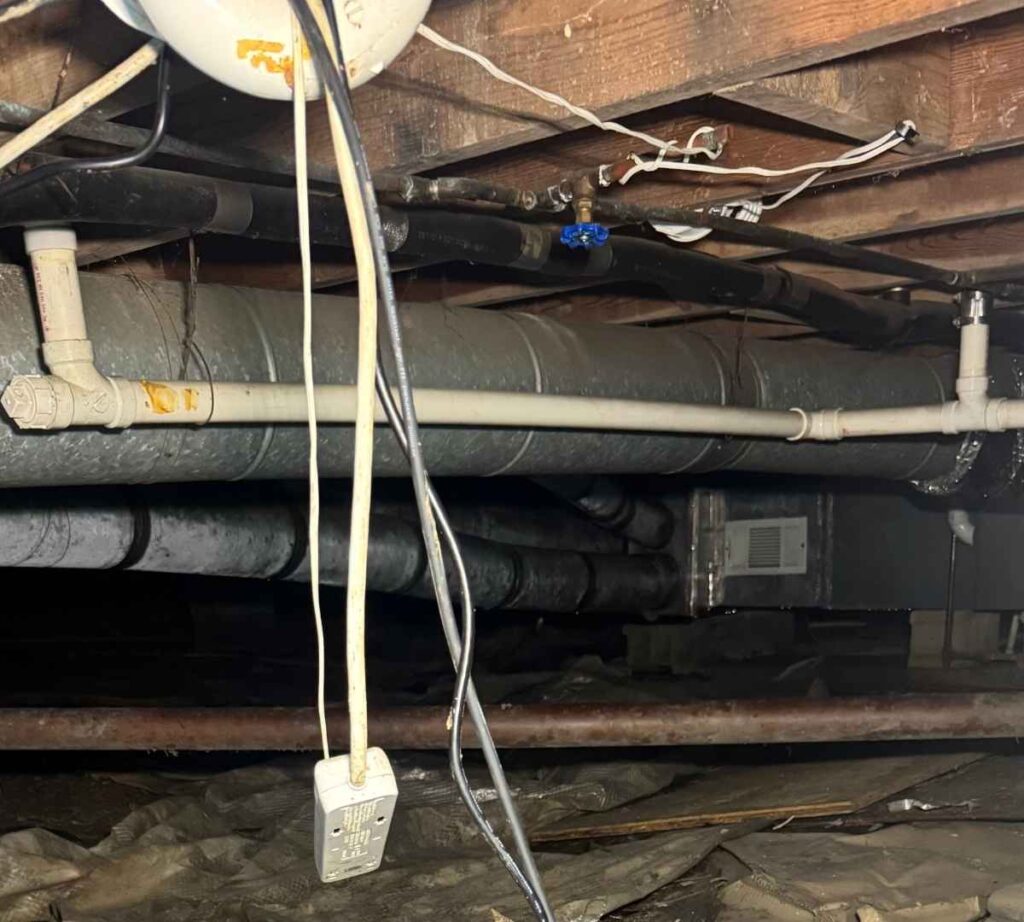
Crawl spaces often carry many of a home’s utilities. Water supply and drain lines, electrical wiring, and HVAC ductwork run through the floor framing, and problems with them are easy to miss from the living area above.
Inspectors look for leaking or corroded pipes, missing pipe insulation, drain lines that are disconnected or poorly supported, and wet or stained insulation beneath bathrooms and kitchens.
They also note ductwork that is damaged, crushed, or disconnected, and wiring that is exposed, unsupported, or shows signs of amateur work.
Because these systems share the space, a slow plumbing leak can quietly raise humidity or soak insulation, and a disconnected duct can send conditioned air under the house instead of into the rooms. Repairs are best handled by the right licensed trade. Older homes may also have abandoned pipes or wiring left in place, and an inspector can only report what is visible, not trace every line hidden behind framing.
Crawl space problems usually begin with water or humidity, and most trace back to a handful of causes. Common causes include:
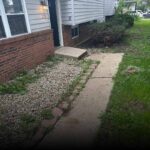
The EPA lists poor drainage from landscaping or gutters among the common sources of excess moisture. For example, a downspout that empties beside the foundation can soak the soil along the wall and send water toward the crawl space.
Understanding the cause matters, because adding a dehumidifier or sealing the vents without fixing where the water comes from may only treat the symptom.
Home buyers can pay attention to signs, inside and outside the home, that may point to a crawl space problem.
Warning signs can include:
These signs do not necessarily identify the exact cause of a problem. Instead, they indicate that the condition should be investigated rather than ignored, which is exactly what a full home inspection is designed to do before you’re locked into a purchase.
A crawl space is out of sight, but it affects more than the floor above it.

Persistent moisture can damage joists, beams, and subflooring, the framing that holds up your floors.

Moisture and mold in a crawl space can move into the rest of the home, which matters most for anyone with allergies or respiratory problems.

Wet, sagging, or missing insulation can mean colder floors and higher heating bills.

Damp wood and organic debris can invite insects, including termites.

Drainage, waterproofing, or structural repairs discovered after closing can become a large, unplanned cost for a new homeowner. Identifying concerns before purchasing lets you get professional advice and understand what may be involved.
This is exactly why the crawl space is evaluated as part of a full home inspection rather than in isolation. A damp crawl space rarely tells the whole story about a house on its own. Schedule your home inspection with HC Inspectors to get a complete picture of the crawl space alongside every other major system before you close.
Crawl space problems can be simple to fix or can point to something larger, and telling which is which takes specialized knowledge. That is why diagnosis and repair are best left to qualified professionals rather than a do-it-yourself approach.
Further evaluation may be appropriate when an inspection identifies a condition that cannot be fully diagnosed during a standard home inspection. Examples may include:
A home inspector can identify and report observable concerns, but a qualified contractor, structural engineer, or other specialist may be needed for detailed diagnosis, testing, repair, or replacement recommendations.
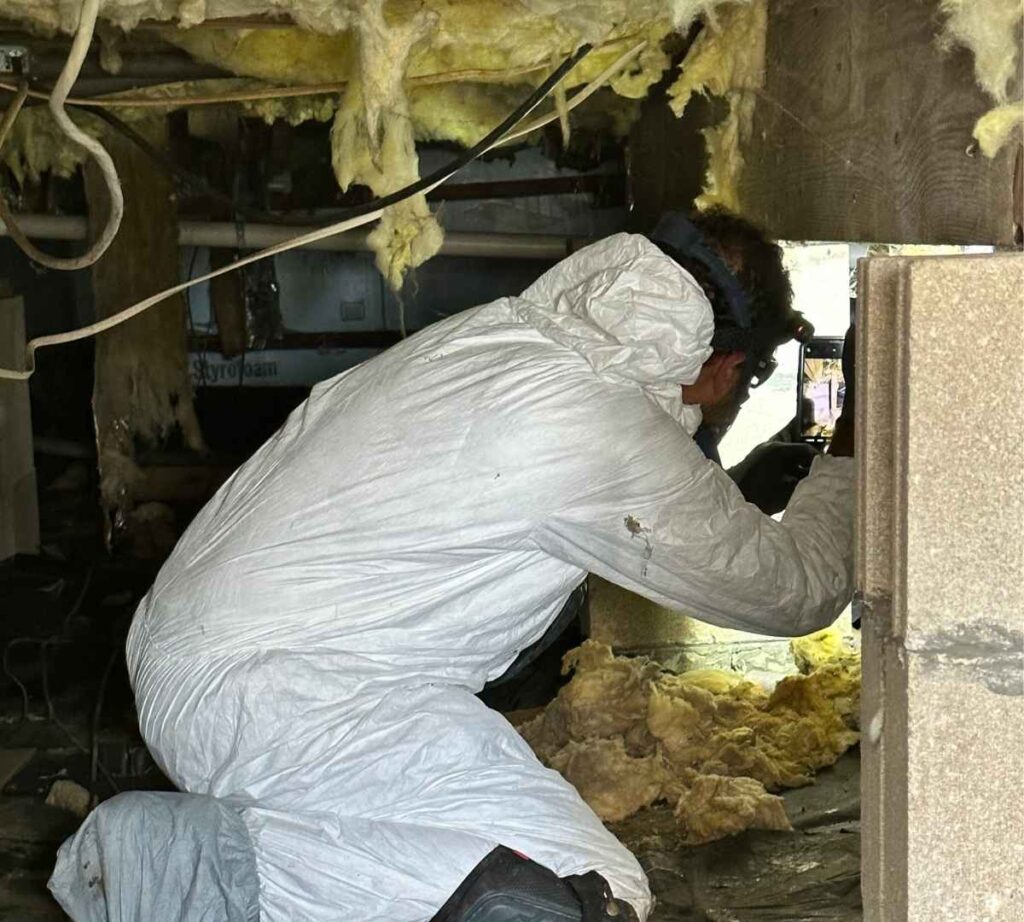
Where the space can be safely entered, a home inspector evaluates visible conditions such as the foundation walls, floor framing, signs of water or moisture, insulation, ground cover, ventilation, wood in contact with soil, and visible plumbing, wiring, and ductwork, within the scope of the inspection.
Usually, when it is readily accessible and safe to enter. The ASHI Standard of Practice allows an inspector to skip a crawl space with less than 24 inches of clearance or an access opening smaller than 16 by 24 inches, and the InterNACHI standards do not require entry where it isn’t readily accessible or could be hazardous. If the space isn’t entered, the report should say so.
A vented crawl space has openings in the foundation walls so outside air can circulate, with insulation usually between the floor joists. A sealed, or conditioned, crawl space has its vents closed, its walls insulated, and its ground covered, so it is treated as part of the home. Model building codes allow both approaches.
The EPA recommends keeping indoor relative humidity below 60 percent, ideally between 30 and 50 percent, and says crawl spaces with high humidity are common sites of hidden mold growth. A home inspector can note signs of excess humidity, but a visual inspection doesn’t track humidity over time.
No. Not automatically. What matters is where the water comes from, how often it appears, and whether it has damaged anything. A gutter or grading problem may be simple to fix, while repeated water entry through the foundation may call for a drainage or waterproofing professional.
An inspector can report visible mold-like growth and musty odors, but a visual inspection can’t identify what a growth is or measure it, and the ASHI and InterNACHI standards do not require determining the presence of mold. A mold test by a qualified specialist can answer that question.
Not always. Traditional crawl spaces are vented, but the Department of Energy notes that in humid weather outside air can be wetter than the crawl space, and model codes now allow sealed, conditioned crawl spaces. The right setup depends on the home, and it should be designed by a qualified contractor.
No. A home inspection can report visible signs of insect activity and wood damage, but it is not a wood-destroying insect inspection. The ASHI standard does not require an inspector to determine the presence of wood-destroying organisms.
A specialist may be appropriate when the home inspection finds standing water, mold-like growth, decayed framing, foundation movement, signs of insects, or sealing and encapsulation work with no records, or when the crawl space couldn’t be entered.
No. The crawl space is evaluated as part of a broader home inspection covering observable conditions within the inspection scope. Waterproofing, encapsulation, dehumidifier sizing, and detailed diagnosis should be performed by an appropriately qualified contractor.
A crawl space is easy to overlook and hard to see, which is exactly why it deserves attention before you buy. Understanding how moisture gets in and what to look for can help buyers make more informed decisions during the home-buying process.
A crawl space does not need to be perfect to be serviceable, and a little dampness or an older setup does not automatically mean a major repair. What matters is understanding its current condition, identifying significant moisture and structural concerns, and deciding whether additional evaluation is appropriate.
For Columbus and Central Ohio home buyers, a professional home inspection can provide valuable information about the condition of the crawl space, along with every other major system in the home, before a purchase is completed. When an inspection finds a concern that requires specialized evaluation, working with a qualified professional can help determine the next step.
Schedule your home inspection with HC Inspectors and get a complete evaluation of the crawl space and every other major system (roof, electrical, plumbing, structure, and more) in one visit.
Because moisture, plumbing, and the exterior all affect a crawl space, home buyers may also want to read HC Inspectors’ guides on the Exterior, Interior, Plumbing, Electrical, Furnace, Air Conditioner, and Roof systems, since conditions throughout the home can affect the crawl space.