What a Columbus & Central Ohio home inspection reveals about air conditioner condition, common problems, and the warning signs worth asking about.
During a Columbus or Central Ohio home inspection, the air conditioner is evaluated for its visible condition, operation, cooling performance, refrigerant lines, and condensate drainage. A home inspection does not replace a full HVAC service call. It flags visible red flags and tells you when a licensed HVAC professional should take a closer look before you close.
A central air conditioner cools a home by moving heat out of it, not by creating cold air. Most residential systems are split systems, with an indoor evaporator coil (usually located in or above the furnace or air handler) and an outdoor condensing unit connected by refrigerant lines. A heat pump works the same way when it is running in cooling mode.
A typical cooling cycle follows a sequence of operations when the thermostat calls for cooling.
First, the thermostat senses that the home is warmer than the selected temperature and signals the system to begin a cooling cycle.
The indoor blower pulls warm household air through the return ducts and the filter, then moves it across the evaporator coil.
Cold refrigerant inside the evaporator coil absorbs heat from that air. As the air cools, moisture in it condenses on the coil and drains away through the drain pan and condensate drain line.
The compressor, located in the outdoor condensing unit, pressurizes the warmed refrigerant and sends it to the condenser coil.
The outdoor fan pulls air across the condenser coil, releasing the absorbed heat outside the home. The refrigerant cools and returns to the indoor coil to absorb more heat.
Meanwhile, the blower sends the cooled, drier air through the supply ducts and into the living areas of the home.
The system continues cycling until the thermostat determines that the desired temperature has been reached. The exact design varies by equipment type and manufacturer, but understanding this sequence is important because a problem at one point in the cycle, such as a restricted filter, a dirty coil, or a refrigerant leak, can reduce cooling performance for the whole system.
During a home inspection, the inspector evaluates accessible and observable portions of the cooling system within the scope of the inspection. Depending on the type, location, accessibility, and design of the equipment, and on outdoor conditions the day of the inspection, an inspection may include observations of:
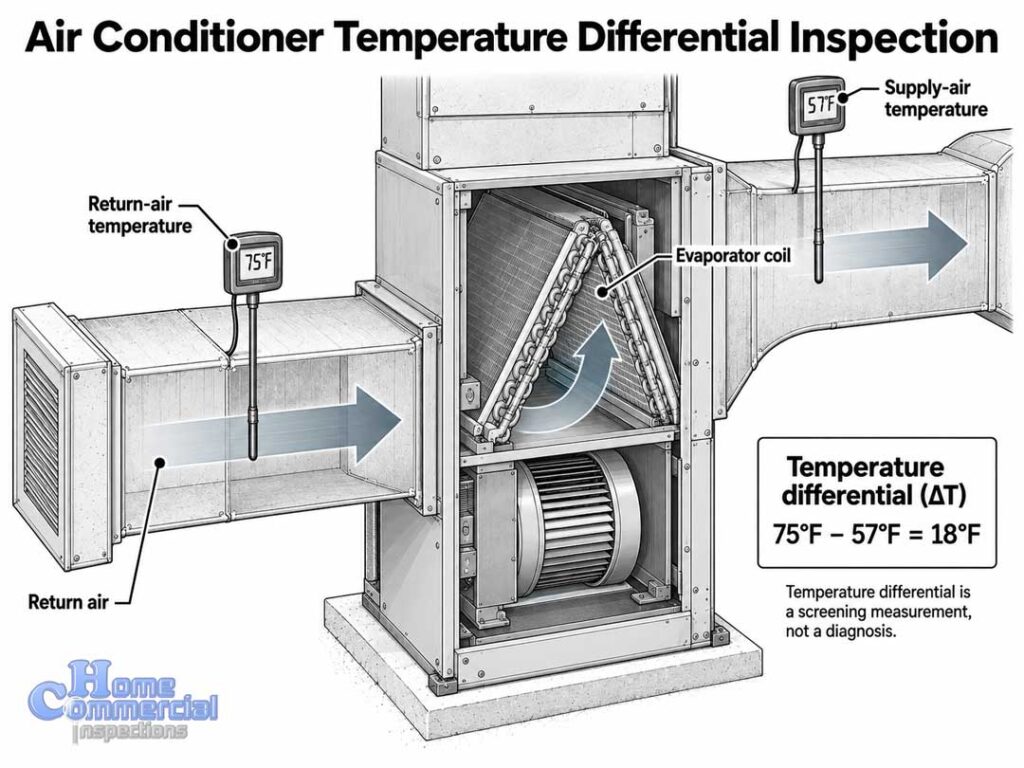
The cooling performance check is one of the most useful parts of the inspection. By comparing the temperature of the air entering the system through the return with the air leaving through the supply registers, an inspector can see whether the system is cooling effectively. A difference of roughly 14 to 22 degrees Fahrenheit is commonly considered normal. A smaller difference can point to a problem such as low refrigerant, restricted airflow, or a dirty coil, although humidity and outdoor conditions also affect the reading.
Weather matters too. Running a central air conditioner when outdoor temperatures are too low (commonly below about 60 to 65 degrees Fahrenheit) can damage the compressor, so the system may not be operated during an inspection in cooler months. When that happens, the inspector can still evaluate the visible condition of the unit, lines, drain, and wiring, but cooling performance can’t be confirmed. That is worth knowing if you’re buying in the off-season.
HC Inspectors’ home inspection process includes evaluation of installed cooling equipment and accessible components as one part of a complete, whole-home evaluation, not as a standalone service. Certain components, including the evaporator coil and the sealed refrigerant system, are generally not visible or testable during a visual inspection.
A standard home inspection is not the same as a complete HVAC service or diagnostic examination. Refrigerant pressures, refrigerant charge, coil cleanliness, and compressor condition generally can’t be fully evaluated without gauges, disassembly, or other procedures outside the scope of a visual home inspection.
When an inspector identifies a condition that requires specialized diagnosis, the report should explain the concern and recommend appropriate further evaluation when necessary.
Air conditioner problems can range from routine maintenance concerns to defects that may affect cooling performance, durability, or moisture control.
When an air conditioner is running but the home isn’t cooling the way it should, the temperature difference between the return air and the supply air is one of the first places to look. A difference well below the normal range suggests the system isn’t removing as much heat as it should.
Several different problems can produce the same symptom, which is why a low reading alone doesn’t identify the cause. Possible contributors include low refrigerant, a dirty evaporator coil, a restricted filter, weak airflow from the blower or ductwork, a dirty outdoor coil, or a failing compressor.
Readings can also be affected by outdoor temperature, indoor humidity, and how long the system has been running. A system that has just started up, or that is being tested on a mild day, may not show its true performance.
For that reason, an inspector’s temperature readings are best treated as a screening tool rather than a diagnosis. A reading outside the normal range is a reason to ask questions and, often, to bring in an HVAC professional.
Low refrigerant is one possible reason an air conditioner underperforms. Unlike fuel in a furnace, refrigerant is not used up during normal operation, so a system that is low on refrigerant generally has a leak somewhere. Adding refrigerant without finding and repairing the leak may restore cooling for a while, but the problem is likely to return, along with higher energy bills and repeat service calls.
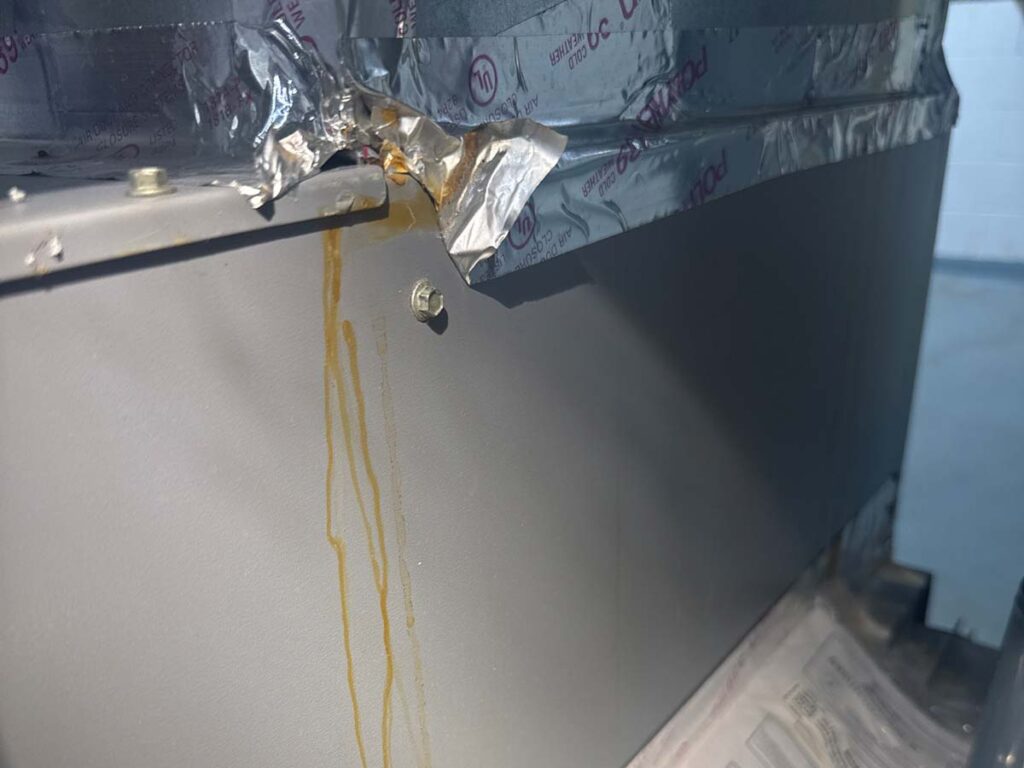
An inspector can’t measure refrigerant charge during a visual inspection, but may notice related clues, such as oily residue at line fittings, ice or frost on the refrigerant lines, or poor cooling performance. Damaged or missing insulation on the larger line reduces efficiency and can cause dripping, and kinked or crushed lines can restrict flow.
Refrigerant type matters to buyers as well. Many systems manufactured before about 2010 use R-22 refrigerant, whose production and import ended in 2020. Servicing those systems relies on recycled or previously produced supply, which can make leak repairs and recharging more expensive than on newer equipment.
Any suspected refrigerant leak should be evaluated and repaired by a qualified HVAC professional.
The evaporator coil is what actually cools the air before it flows out to the rest of the home. Over time, dust and dirt can build up on the coil and block airflow, preventing the system from operating at full capacity. A dirty coil can also freeze over, which restricts airflow further and can cause water to leak when the ice melts.
The coil is usually enclosed inside the air handler or on top of the furnace, so it often can’t be seen during a standard inspection. Clues include weak airflow, a poor temperature difference, ice on the refrigerant line, or water around the indoor unit.
A dirty or clogged filter is one of the most common reasons coils get dirty. A restricted filter reduces airflow across the coil, reduces cooling, strains the blower, and lets more dust reach the coil in the first place.
Cleaning an evaporator coil properly is HVAC work, and a coil that is dirty enough to cause problems often points to a filter or maintenance issue worth correcting at the source.
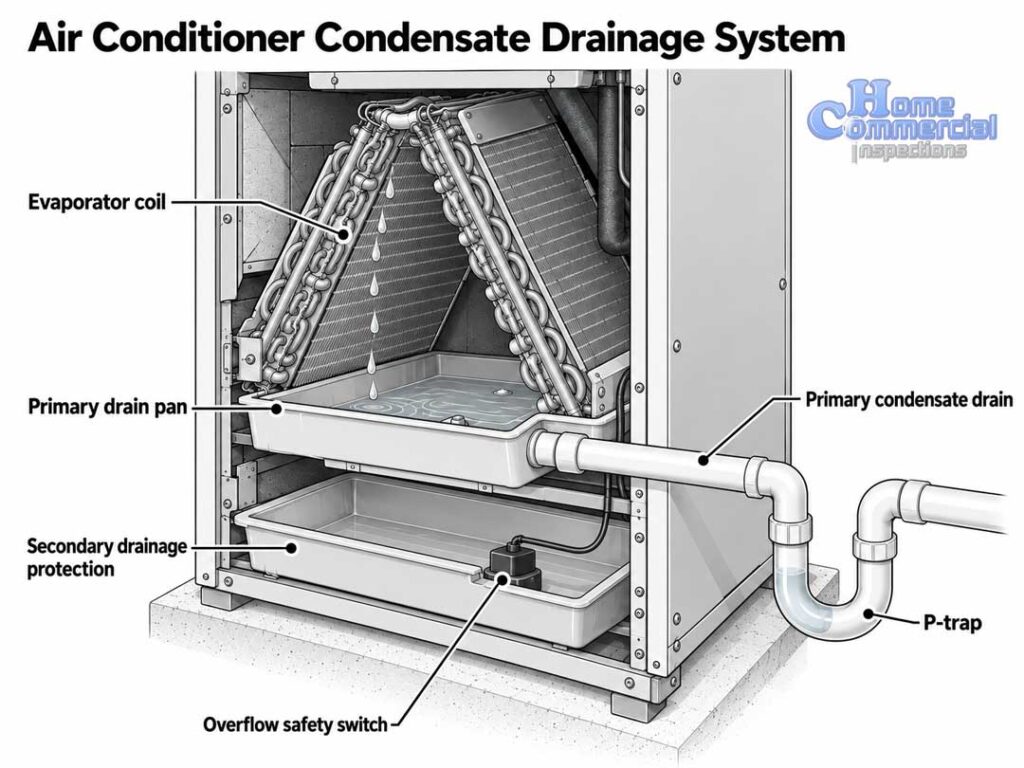
As an air conditioner cools air, it also removes moisture, and that water has to drain away. Condensate collects in a drain pan beneath the evaporator coil and leaves the home through a drain line, which often includes a p-trap and, in some installations, a secondary pan or float switch.
A clogged, cracked, disconnected, or poorly sloped drain line can let water back up and overflow the pan, damaging ceilings, walls, insulation, or floors near the indoor unit. Algae and sediment buildup are common causes of clogs, and a rusted or cracked drain pan can leak even when the line itself is clear.
Moisture near the indoor unit should not automatically be assumed to be coming from the air conditioner. Furnace condensate, humidifiers, and plumbing can also produce water near an air handler, so the actual source should be identified.
Signs of a drainage problem are not always obvious at the time of an inspection. Standing water may dry before it’s seen, leaving behind only a stain or a musty odor. Persistent moisture can contribute to corrosion, mold growth, and damage to nearby materials.
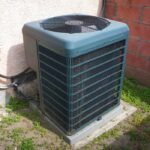
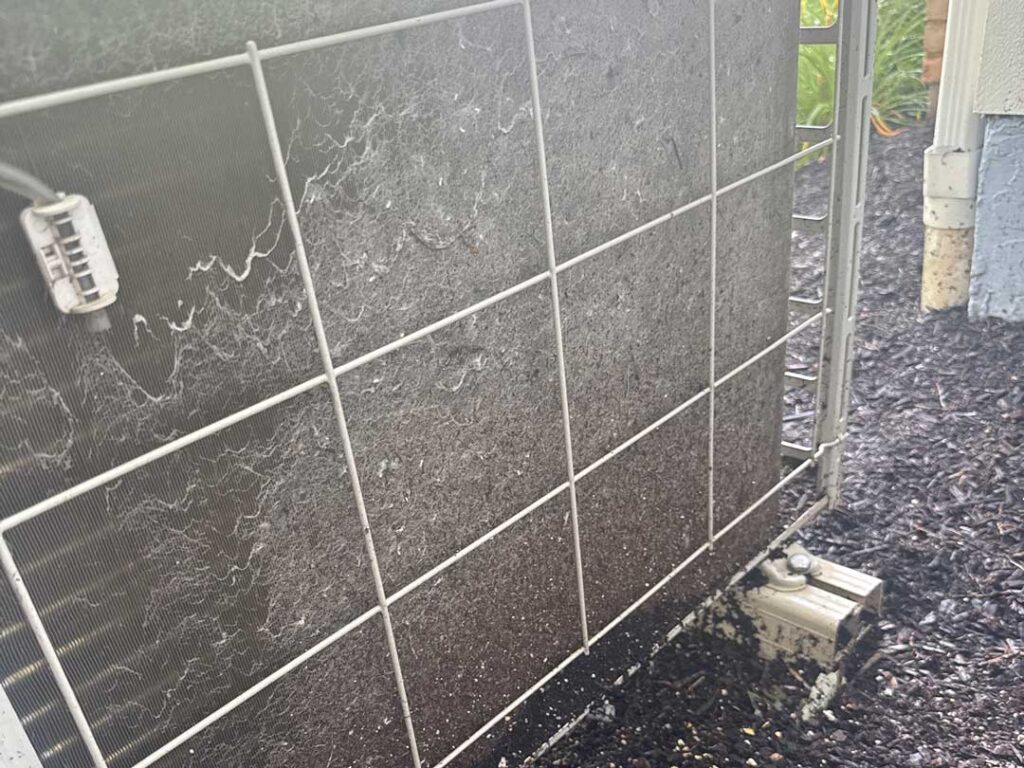
The outdoor condensing unit houses the compressor, condenser coil, and fan, and it works hard in all kinds of weather. Conditions an inspector may note include a dirty or clogged condenser coil, bent or damaged fins, a damaged or noisy fan, corrosion, and a unit that has settled or tilted on its pad.
Clearance matters. Vegetation, debris, fencing, or stored items close to the unit can restrict airflow, causing it to run hotter, cool less efficiently, and wear out sooner.
The manufacturer’s data plate usually shows the unit’s age, size, and refrigerant type, which helps a buyer understand how much service life the equipment may have left. Age alone does not determine whether a system needs replacement, but an older unit with a history of repairs is worth asking about.
Unusual noises, vibration, or a unit that won’t start can point to mechanical or electrical problems that require HVAC diagnosis. Cleaning the outdoor coil and checking the fan should be done with the power off at the disconnect, and often by a professional.
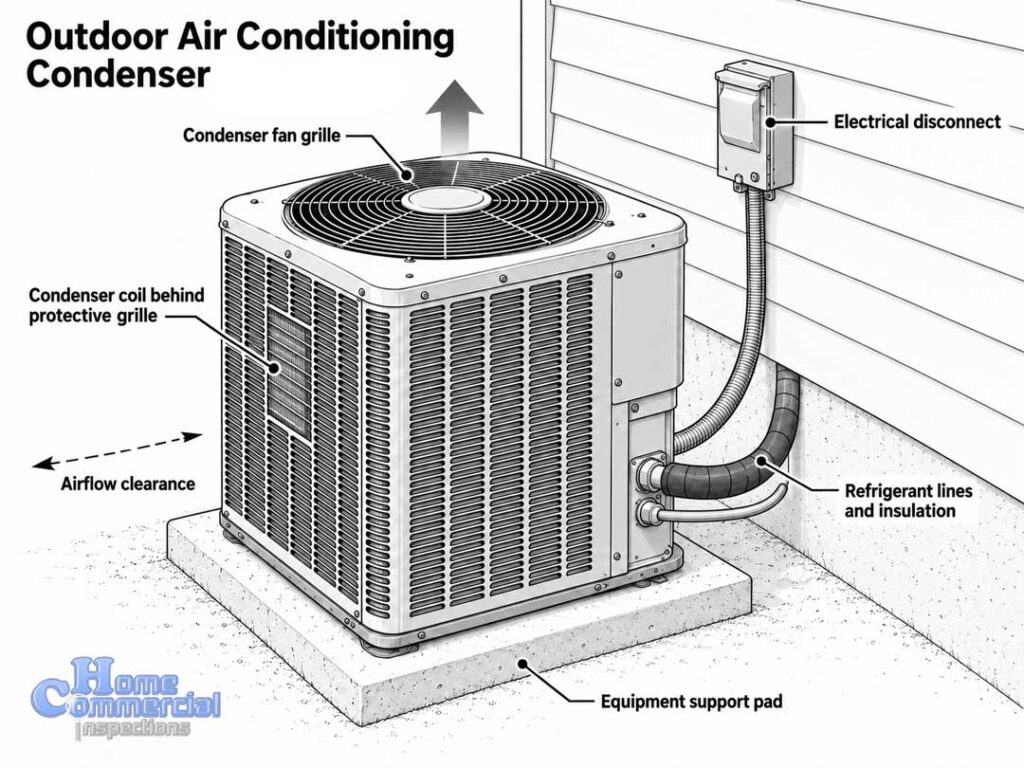
Air conditioners depend on electrical components working together safely. Inspectors look at what is visible and accessible, including the electrical disconnect near the outdoor unit, the wiring and its protection, missing or damaged covers, and signs of overheating, burned connections, or rodent damage.
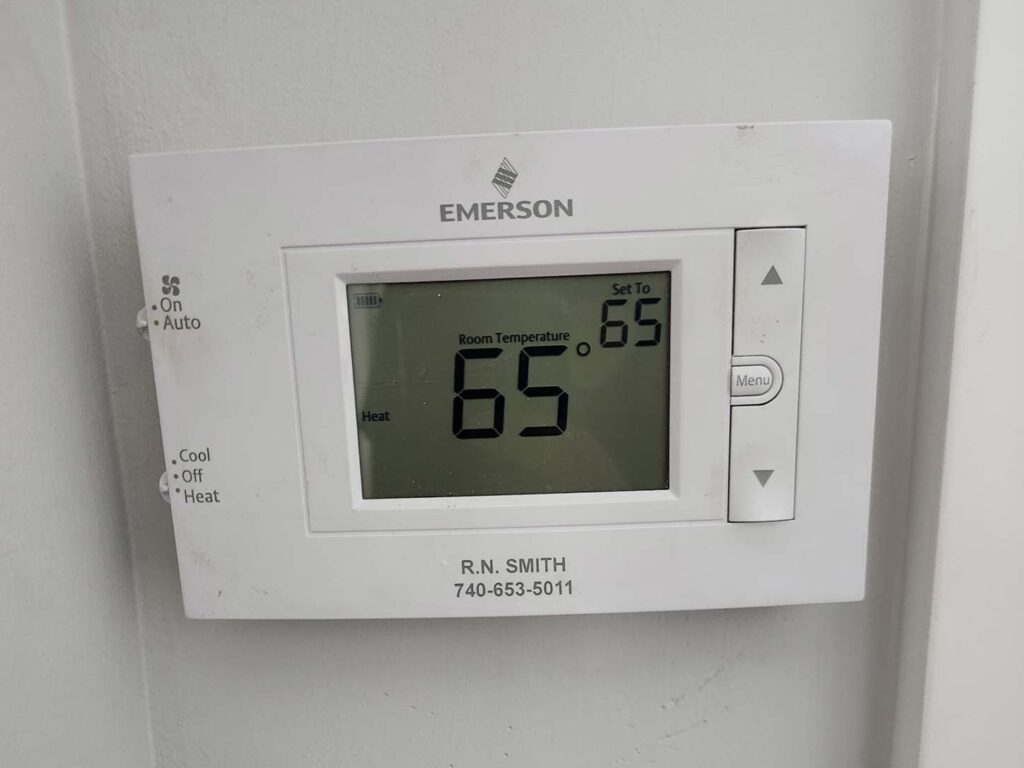
Control and thermostat problems can make an otherwise healthy system seem to underperform. A thermostat that is inaccurate, poorly located, or not communicating with the equipment can cause short cycling, uneven temperatures, or a system that won’t start or stop when it should.
Blower assembly problems, such as unusual noise, vibration, or weak airflow, can also affect cooling performance and are often electrical or mechanical in nature. Because heating and cooling often share a blower, ductwork, and thermostat, a control fault can affect both systems. A breaker that trips repeatedly, or a unit that hums but won’t start, can signal a failing component and should be evaluated rather than reset over and over.
Electrical diagnosis and repair on cooling equipment, including capacitors and contactors, should be handled by a qualified HVAC professional or licensed electrician, not by a homeowner.
Even a relatively new air conditioner can have problems if it was not installed correctly or doesn’t suit the home.
Potential installation concerns can involve:
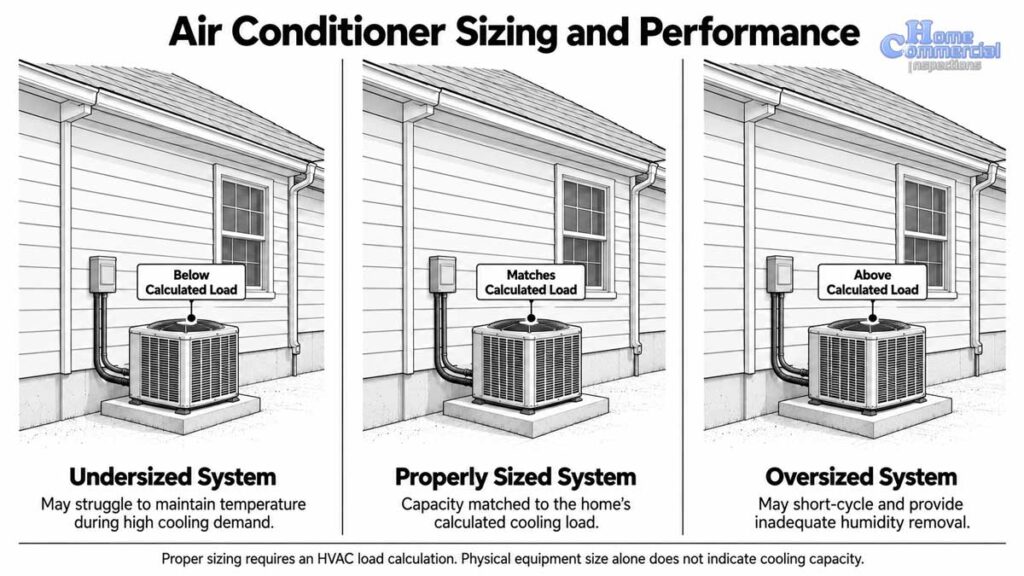
Sizing deserves special mention. A system that is too small may struggle to keep up on hot days, while one that is too large can cool the air quickly and shut off before it removes much humidity, leaving the home cool but clammy and cycling frequently. Proper sizing requires a load calculation by an HVAC professional, which is outside a home inspection, although an inspector may note equipment that appears significantly mismatched to the home.
An inspector should document observable installation deficiencies and recommend appropriate professional evaluation when the condition requires specialized assessment.
Air conditioner problems can develop for many different reasons. Common causes include:
For example, a restricted filter can reduce airflow and let dust build up on the evaporator coil, while a clogged condensate drain can let water overflow the pan and damage the surrounding area.
Understanding the cause is important because replacing a component or adding refrigerant without correcting the underlying problem may allow the same defect to return.
Home buyers should pay attention to visible or noticeable signs that may indicate the air conditioner requires additional attention.
Warning signs can include:
These signs do not necessarily identify the exact cause of a problem. Instead, they indicate that the condition should be investigated rather than ignored, which is exactly what a full home inspection is designed to do before you’re locked into a purchase.
An air conditioner affects more than how cool the house feels.

A system with airflow, refrigerant, or performance problems may not cool or dehumidify the home evenly.

A poorly maintained or significantly worn system may require more frequent repairs or professional attention, often at the worst time: during a heat wave.

Restricted airflow, dirty coils, and low refrigerant make a system work harder and can increase runtime and energy consumption.

A clogged drain or leaking pan can damage ceilings, walls, and insulation, and persistent moisture can lead to mold growth.

A significant HVAC problem discovered after closing can become an unexpected expense for a new homeowner. Identifying concerns before purchasing allows the buyer to obtain appropriate professional advice and better understand potential repair or maintenance needs.
This is exactly why the air conditioner is evaluated as part of a full home inspection rather than in isolation. A cooling problem rarely tells the whole story about a house on its own. Schedule your home inspection with HC Inspectors to get a complete picture of the air conditioner alongside every other major system before you close.
Air conditioners are complex machines with a lot of working parts. The fix is sometimes as simple as cleaning a coil, clearing a drain, or replacing a worn fan, but figuring out which problem you actually have takes expert knowledge. That is why diagnosis and repair are best left to a qualified HVAC professional rather than a do-it-yourself approach.
Further evaluation may be appropriate when an inspection identifies a condition that cannot be fully diagnosed during a standard home inspection. Examples may include:
A home inspector can identify and report observable concerns, but a qualified HVAC professional may be needed for detailed diagnosis, refrigerant testing, repair, component testing, or replacement recommendations.
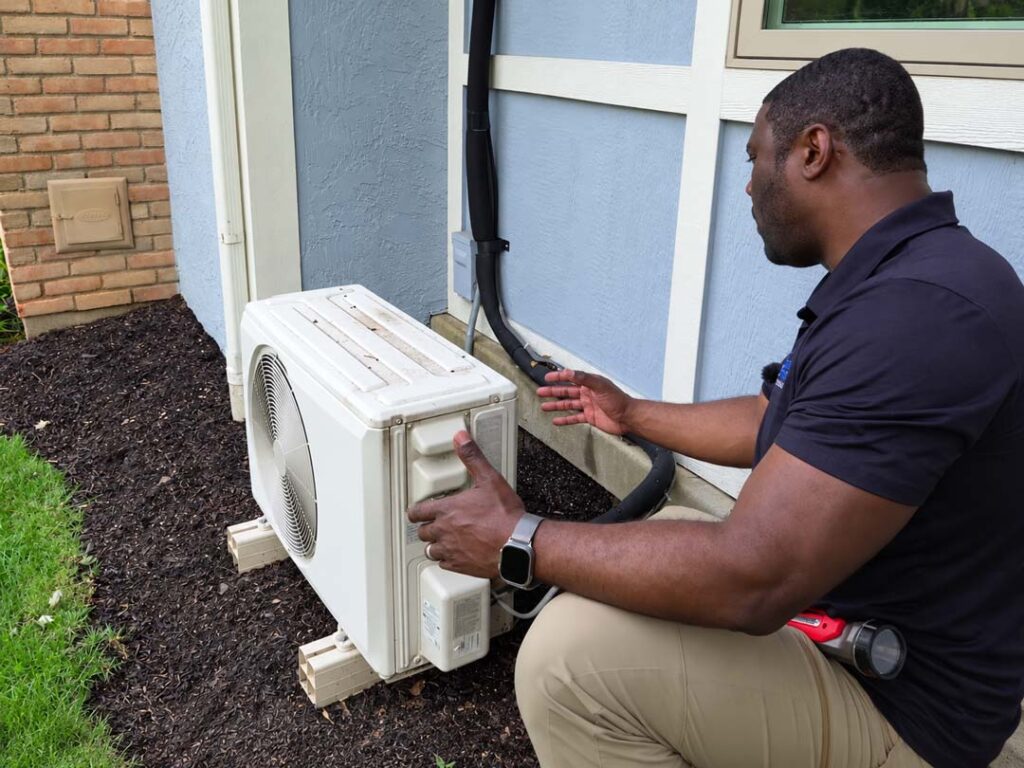
A home inspector evaluates accessible portions of the system, including the outdoor condensing unit, refrigerant lines, condensate drain, wiring and disconnect, thermostat, filter, blower, and cooling performance, within the scope of the inspection.
A difference of roughly 14 to 22 degrees Fahrenheit between the return air and the supply air is commonly considered normal. A smaller difference can point to low refrigerant, restricted airflow, or a dirty coil, although humidity and outdoor conditions also affect the reading.
Often not. Running a central air conditioner when outdoor temperatures are too low, commonly below about 60 to 65 degrees Fahrenheit, can damage the compressor, so the system may not be operated during a cooler-weather inspection. The inspector can still evaluate visible condition, but cooling performance can’t be confirmed.
Commonly noted conditions include restricted filters, weak cooling performance, condensate drain problems, damaged or missing refrigerant line insulation, dirty or obstructed outdoor units, signs of refrigerant leaks, electrical or control issues, and aging equipment.
No. Refrigerant is not used up during normal operation, so low refrigerant usually points to a leak. Adding refrigerant without finding and repairing the leak is generally a temporary fix. A qualified HVAC professional should locate the source.
Common sources include a clogged or disconnected condensate drain line, a cracked or rusted drain pan, or a frozen evaporator coil that has melted. Humidifiers and furnace condensate can also be sources. The actual source should be identified rather than assumed.
Check the filter monthly during cooling season. The U.S. Department of Energy advises cleaning or replacing it every month or two during the cooling season, and more often with constant use, dusty conditions, or pets. Follow the manufacturer’s recommendation for your filter type.
No. Age alone does not determine whether an air conditioner needs to be replaced. The equipment’s condition, maintenance history, performance, refrigerant type, repair history, and installation should all be considered together.
A separate evaluation by a licensed HVAC contractor may be appropriate when the home inspection identifies significant concerns, poor cooling performance, a suspected refrigerant leak, electrical issues, or conditions requiring specialized testing.
No. The air conditioner is evaluated as part of a broader home inspection covering observable conditions within the inspection scope. Repair, tune-ups, refrigerant service, and detailed diagnosis should be performed by an appropriately qualified HVAC professional.
An air conditioner is one of the most important mechanical systems in a Central Ohio home. Understanding how the system works and recognizing common problems can help buyers make more informed decisions during the home-buying process.
An air conditioner does not need to be perfect to be serviceable, and an older system does not automatically mean replacement is necessary. What matters is understanding its current condition, identifying significant defects, recognizing moisture and performance concerns, and determining whether additional evaluation or maintenance is appropriate.
For Columbus and Central Ohio home buyers, a professional home inspection can provide valuable information about the condition and operation of the cooling system, along with every other major system in the home, before a purchase is completed. When an inspection identifies a concern that requires specialized diagnosis, working with a qualified HVAC professional can help determine the appropriate next step.
Schedule your home inspection with HC Inspectors and get a complete evaluation of the air conditioner and every other major system (roof, electrical, plumbing, structure, and more) in one visit.
Because heating and cooling share ductwork, a blower, and filters, home buyers may also want to read HC Inspectors’ guides on the Furnace, Attic, Electrical, Plumbing, Roof, and Interior Home systems, since cooling performance can be affected by conditions throughout the home.