What a Columbus & Central Ohio home inspection reveals about chimney condition, the three inspection levels, and the warning signs worth asking about.
During a Columbus or Central Ohio home inspection, the chimney is evaluated for its visible exterior and interior condition, flashing, damper function, and signs of past damage or deterioration. Chimney inspections come in three NFPA-defined levels, and a home sale typically calls for a Level 2 inspection, not the basic Level 1. A home inspection isn’t a substitute for a certified chimney sweep’s evaluation. It flags visible red flags (cracked mortar, damaged flashing, a missing crown) and tells you when a chimney specialist should take a closer look before you close.
A chimney is one of the more overlooked systems in a home inspection, but a poorly maintained one can be a real fire and safety hazard, not just a cosmetic concern. Understanding how a chimney is inspected, and how thoroughly, matters more for a home buyer than most people realize.
A home inspection can provide buyers with valuable information about the chimney’s visible condition, structure, flashing, and damper function. Understanding what’s actually covered, and what level of inspection a home sale typically requires, can help buyers ask better questions before purchasing a property.
A chimney problem does not automatically mean a full rebuild. The age, condition, maintenance history, and severity of any observed defect should all be considered. When a condition requires specialized diagnosis, further evaluation by a certified chimney sweep or chimney specialist may be appropriate.
Chimney inspections aren’t one-size-fits-all. The National Fire Protection Association (NFPA) defines three levels of chimney inspection, and knowing which one applies to a given situation is one of the most useful things a home buyer can understand before closing.
Level 1 is the most common inspection type, appropriate when a chimney has been used regularly without any known problems. It covers the readily accessible portions of the chimney exterior and interior, the accessible parts of the appliance and chimney connection, and the interior and exterior of vent systems and flues that don’t require special tools or equipment to reach. A flashlight and basic hand tools are typically all that’s needed.
Level 2 goes further, adding examination of the attic, crawlspace, and other accessible areas beyond what Level 1 covers, along with a video scan of the flue interior to check for cracks or joint damage. A Level 2 inspection is called for whenever there’s a change in how the chimney is used (a different fuel type, a relined flue), after an event like a chimney fire or an earthquake, and is generally expected before a home sale. This is the level most relevant to a home buyer, since a Level 1 inspection alone doesn’t tell the full story on a property changing hands.
Level 3 is the most invasive, adding examination of concealed areas and, when necessary, removal of parts of the chimney or building structure to investigate suspected serious damage. This level is reserved for cases where a real structural or safety concern has already been identified.
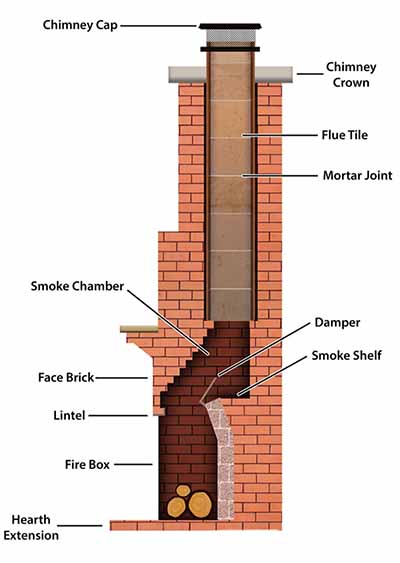
During a home inspection, the inspector evaluates accessible and observable portions of the chimney system within the scope defined by ASHI’s Standards of Practice.
Depending on the chimney type, accessibility, and the level of inspection performed, this may include observations of:
HC Inspectors’ home inspection process includes evaluation of the accessible chimney structure and connection points as one part of a complete, whole-home evaluation, not as a standalone service. Their inspection reports also explain that concealed portions of the chimney, and any evaluation beyond a Level 1 or Level 2 scope, fall outside a standard home inspection.
A standard home inspection is not the same as a certified chimney sweep’s full evaluation. Some conditions, particularly anything inside the flue that requires a video scan or specialized tools, fall outside the scope of a visual inspection.
When an inspector identifies a condition that requires specialized diagnosis, the report should explain the concern and recommend appropriate further evaluation when necessary.
Chimney problems can range from routine maintenance items to defects that present a real fire or safety hazard.
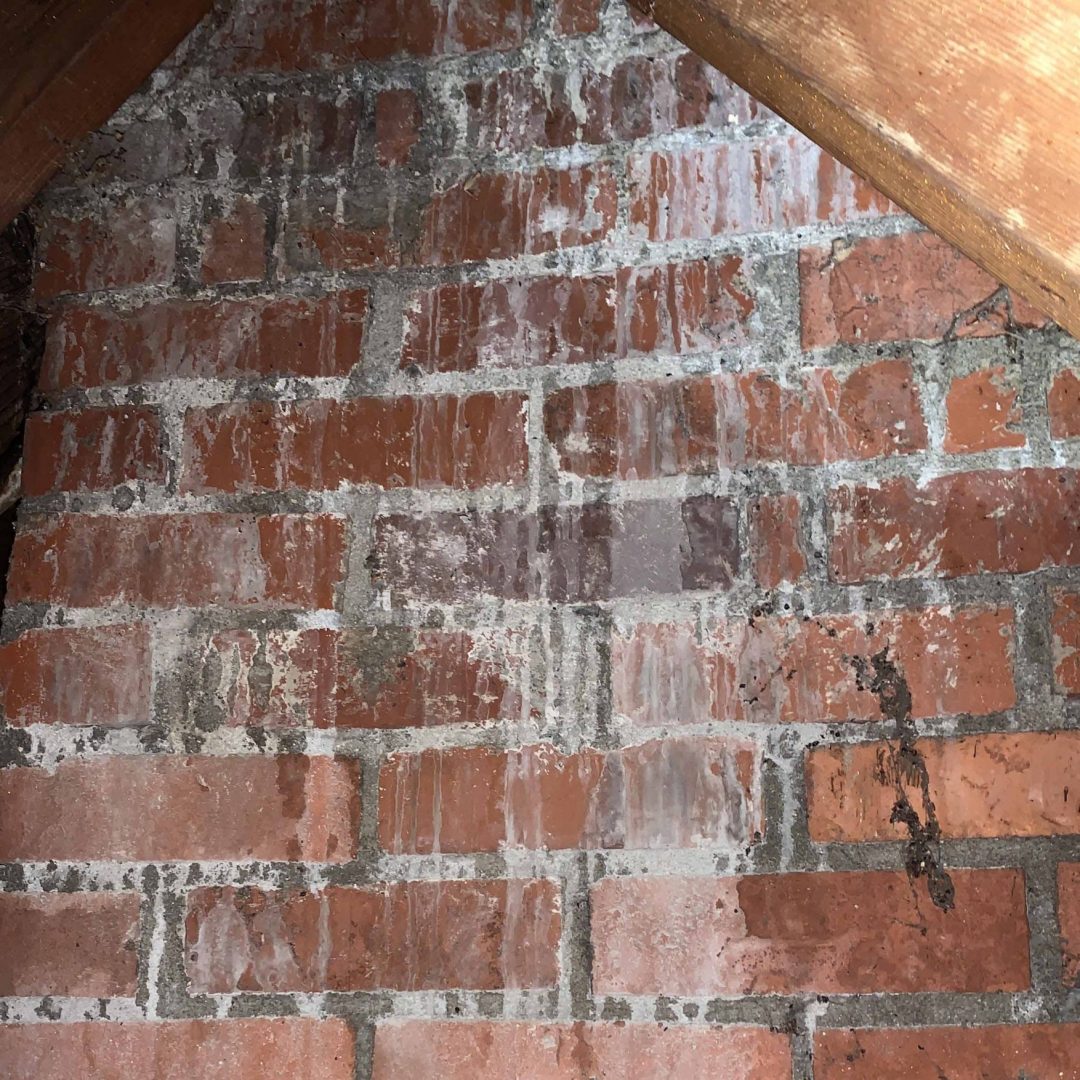
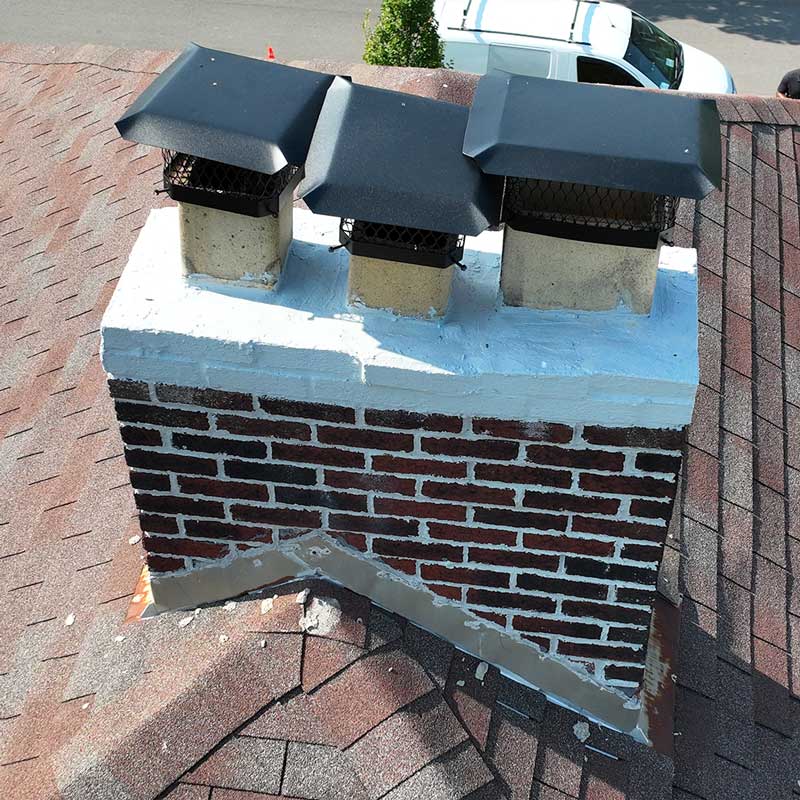
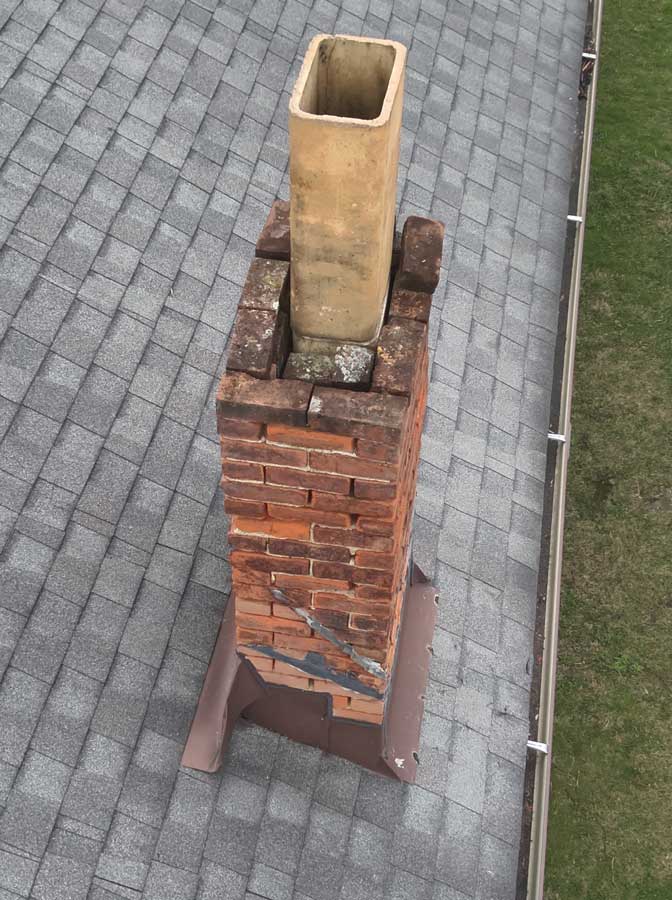
Mortar joints and bricks naturally deteriorate with age and exposure, and once they start cracking or crumbling, they give moisture a direct path into the home. This kind of deterioration rarely happens evenly. It tends to show up first on the side of the chimney facing prevailing wind and weather, or wherever water has the most contact with the masonry over time.
A missing or damaged chimney crown, the concrete cap on a masonry chimney, or a missing chase cover on a prefabricated chimney, is one of the more serious findings, since either component is meant to keep water out of the entire structure below it. Once mortar joints begin failing, the problem tends to accelerate, since water entering through one damaged joint speeds up deterioration nearby, and freeze-thaw cycles in colder months make existing cracks worse each winter. Chimney tuckpointing, the repair of failing mortar, becomes necessary once bricks start to loosen, and the sooner it’s addressed, the less masonry typically needs to be replaced.
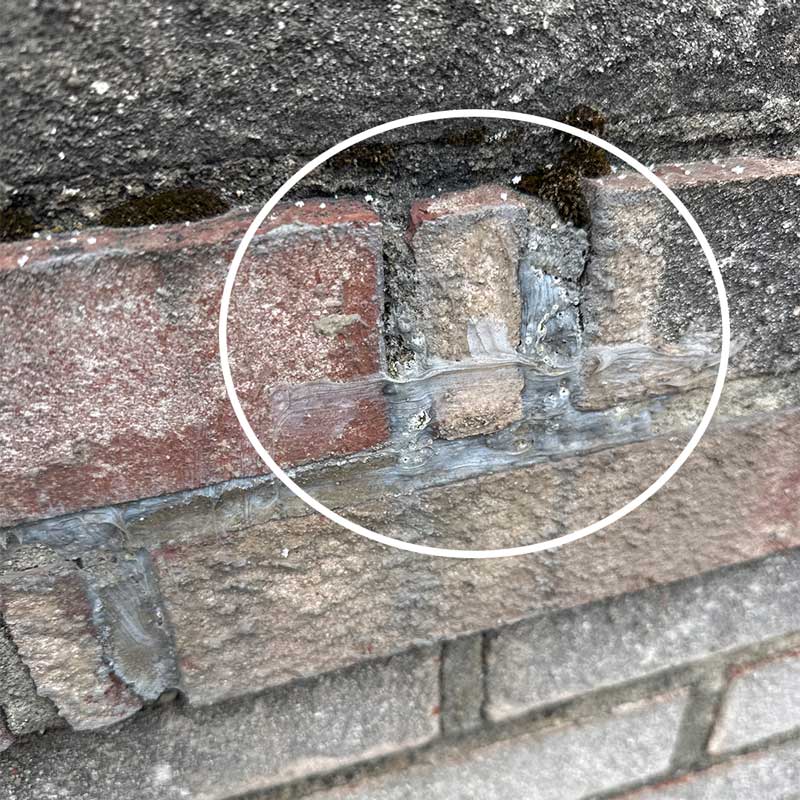
The flashing where a chimney meets the roof is one of the most common sources of chimney-related leaks in a home. This connection point sees constant movement between two different materials, the chimney and the roof structure, expanding and contracting at different rates through temperature swings, which is exactly why flashing tends to fail here before it fails almost anywhere else on a roof.
Without a properly sealed connection at this point, water can work its way into the home around the base of the chimney, sometimes traveling along framing members before it ever shows up as a visible stain inside. Beyond flashing, waterproofing the exterior masonry itself, along with a functioning crown or chase cover, all work together to keep moisture out. A chimney that hasn’t been waterproofed is more exposed to freeze-thaw damage over time, since water that soaks into masonry and then freezes can crack it from the inside, a process that repeats and worsens with every winter the masonry goes untreated.
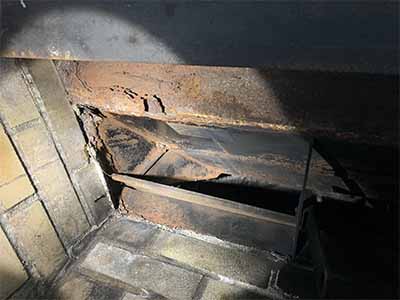
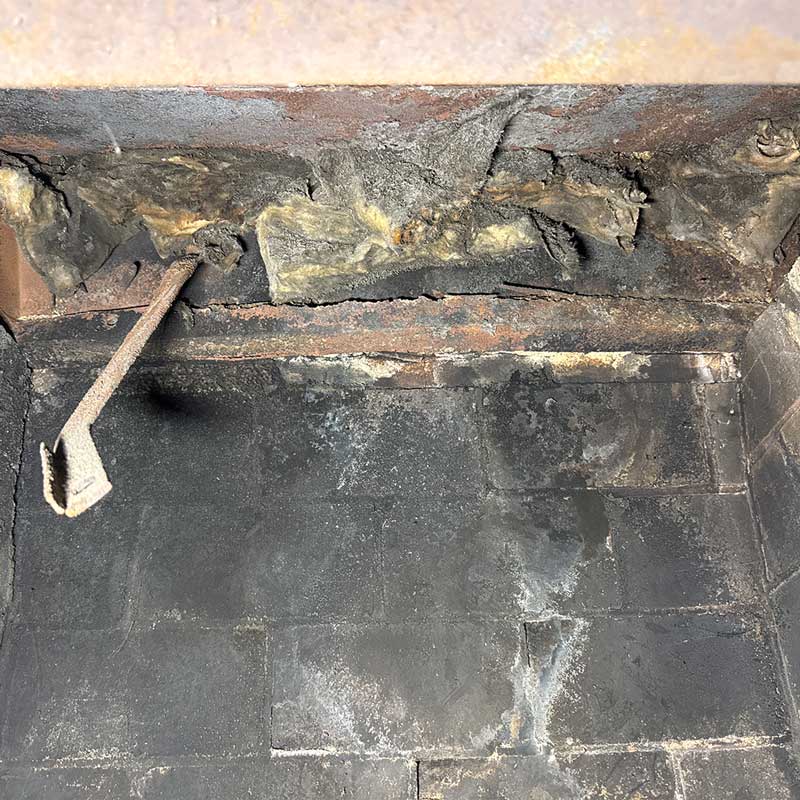
A damper that doesn’t open or close properly creates two different problems depending on which way it’s stuck, and neither one is something a homeowner should live with long-term. Dampers see repeated exposure to heat, moisture, and combustion byproducts, which makes them one of the more failure-prone components in a fireplace system over the life of a chimney.
A damper stuck open lets outside drafts into the home whenever the fireplace isn’t in use, which increases heating and cooling costs as the HVAC system works harder to compensate, sometimes without the homeowner ever realizing the source of the higher bills. A damper stuck closed, or one that doesn’t open fully, is a more serious safety concern, since it can trap smoke and combustion byproducts, including carbon monoxide, inside the home when the fireplace is used. Rust and corrosion are common culprits behind a damper that no longer seats properly. A properly fitted replacement damper should close without gaps, since even a small gap defeats the purpose of having one at all.
The flue is the passage that carries smoke and combustion gases safely out of the home, and it needs to be clear of obstructions and combustible materials to do that safely. Unlike a furnace vent, a chimney flue is exposed to the outdoors at both ends, which makes it a natural target for animal nesting, debris, and weather-related blockages that wouldn’t affect an enclosed vent system.
An inspector checks the interior of the flue for visible obstructions, blockages, or debris, and confirms that combustible materials haven’t been stored too close to the opening, since improperly stored materials near a flue are a straightforward and easily preventable fire risk. A flue with a poor connection to its appliance, or one that’s been relined without a follow-up Level 2 inspection, is a common finding worth flagging, particularly in homes where a fireplace insert or a different heating appliance was added after the chimney’s original installation.
Creosote, the byproduct of burning wood, builds up inside a flue over time and is both a fire risk and a sign that a chimney is due for sweeping. It forms in layers and can range from a light, flaky coating to a hardened, glazed buildup that’s considerably more difficult and costly to remove, depending on how long it’s been left unaddressed.
A general guideline is that a chimney needs sweeping once about 1/8 inch of soot has accumulated on the flue liner, or roughly every 50 fires, though this varies by fireplace type and how often it’s used. A wood-burning fireplace produces meaningfully more soot and creosote than a gas log fireplace, since gas logs burn at a much higher efficiency and leave far less residue behind. A chimney that hasn’t been swept in several years, particularly one used heavily through Central Ohio winters, is far more likely to show significant buildup than one on a documented, regular sweeping schedule.
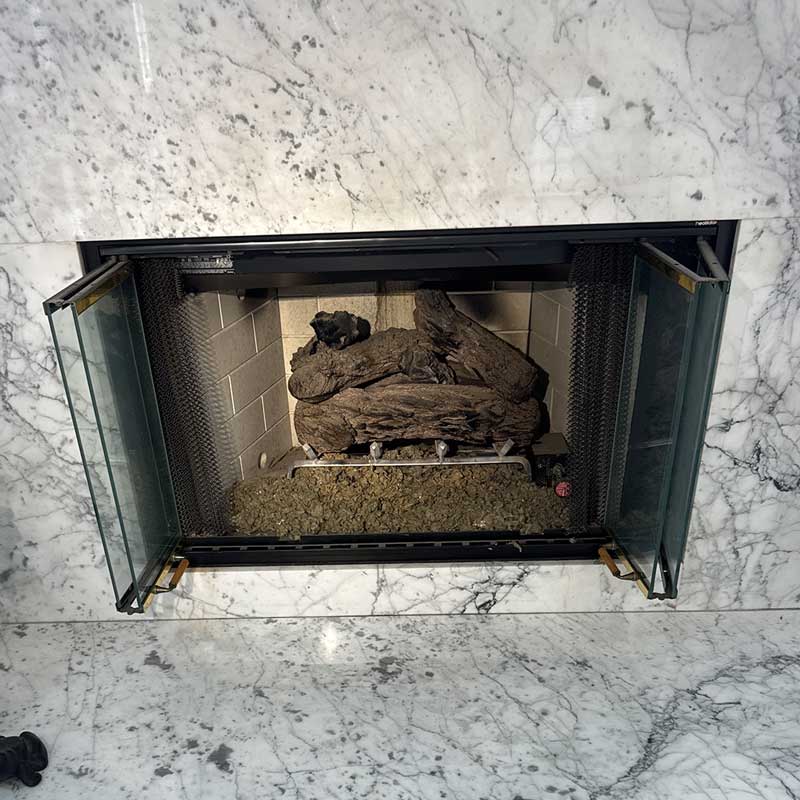
The type of fireplace and fuel a home uses affects how often maintenance is needed and what an inspector should pay attention to, and it’s often one of the first things worth understanding about a fireplace before deciding how closely to scrutinize it.
Wood-burning fireplaces typically run at 60% to 80% efficiency and produce more soot, meaning more frequent sweeping and closer attention to creosote buildup, along with more wear on components like the damper and flue liner over time. Gas log fireplaces run at 92% to 99% efficiency, burn cleaner, and require less frequent sweeping as a result, which also means fewer opportunities for creosote-related fire risk to develop between servicings. Neither type is inherently safer than the other when properly maintained, but a home with a wood-burning fireplace that hasn’t been swept in years warrants closer scrutiny than one with a well-maintained gas system, since the maintenance gap itself is often a bigger factor than the fuel type alone.
Chimney problems can develop for many different reasons. Common causes include:
For example, a chimney that hasn’t been swept in years combined with a damaged crown creates a combination of fire risk and water intrusion that’s more serious than either issue alone.
Understanding the cause is important because addressing a symptom, like patching visible mortar, without correcting the underlying moisture source can allow the same problem to return.
Home buyers should pay attention to visible or noticeable signs that may indicate the chimney requires additional attention.
Warning signs can include:
These signs do not necessarily identify the exact cause of a problem. Instead, they indicate that the condition should be investigated rather than ignored, which is exactly what a full home inspection is designed to do before you’re locked into a purchase.
A chimney is easy to overlook, but it carries real safety and cost implications.

A chimney that isn’t drafting properly, or a damper stuck closed, can allow smoke and carbon monoxide to enter the home instead of venting outside.

Creosote buildup from infrequent sweeping is a leading cause of chimney fires, particularly in wood-burning fireplaces.
A chimney is one of the most common points of water intrusion into a home, and damage can spread to the roof, attic, and interior walls before it’s noticed.

A damper that doesn’t seal properly lets conditioned air escape year-round, not just when the fireplace is in use.

A significant chimney problem discovered after closing, tuckpointing, a crown replacement, a relining, can become a costly surprise for a new homeowner.
This is exactly why the chimney is evaluated as part of a full home inspection rather than in isolation. A chimney problem rarely tells the whole story about a house on its own. Schedule your home inspection with HC Inspectors to get a complete picture of the chimney alongside every other major system before you close.
Regular attention can help a chimney stay safe and avoid larger repairs down the road. Homeowners should:
Chimney problems tend to get more expensive the longer they’re left unaddressed, since water intrusion and creosote buildup both compound over time rather than staying static.
Further evaluation by a certified chimney sweep or chimney specialist may be appropriate when an inspection identifies a condition that calls for more than a Level 1 review, or that a standard home inspection can’t fully diagnose.
Examples may include:
A home inspector can identify and report observable concerns, but a certified chimney sweep or specialist may be needed for a detailed diagnosis, sweeping, or repair recommendation.
Level 1 covers the chimney’s readily accessible exterior and interior portions and is appropriate for a chimney used regularly without known issues. Level 2 adds examination of the attic, crawlspace, and a video scan of the flue, and is generally required before a home sale. Level 3 is the most invasive, examining concealed areas and sometimes requiring removal of parts of the structure.
A home sale typically calls for a Level 2 inspection, which is more thorough than the basic Level 1 and checks areas a standard visual review alone wouldn’t cover.
A general guideline is once soot reaches about 1/8 inch on the flue liner, or roughly every 50 fires, though this varies by fireplace type and how often it’s used.
A home inspector evaluates the accessible, visible condition of the chimney within the scope of a home inspection. A certified chimney sweep performs the sweeping itself and any Level 2 or Level 3 evaluation.
A missing or damaged crown, the concrete cap on a masonry chimney, allows water directly into the chimney structure and is one of the more serious findings during an inspection.
Not inherently safer, but a gas log fireplace burns more efficiently and produces significantly less soot and creosote, meaning less frequent maintenance is needed to keep it safe.
A damper stuck open allows drafts into the home and increases energy costs. A damper stuck closed or restricted can trap smoke and carbon monoxide inside the home when the fireplace is used.
A Level 1 inspection, which is what’s typically included in a standard home inspection, doesn’t include a video scan of the flue interior. That level of detail requires a Level 2 inspection performed by a certified chimney sweep.
A separate evaluation is generally appropriate for any home sale (at minimum a Level 2), or when significant creosote buildup, structural damage, or water intrusion is identified.
Practices vary, but a Level 2 chimney inspection is generally expected as part of due diligence when a chimney has changed hands, which is effectively every home sale.
A chimney is one of the more overlooked systems in a home, but it carries real fire, safety, and water-intrusion risk when it isn’t properly maintained. Understanding the three inspection levels and recognizing common problems can help buyers make more informed decisions during the home-buying process.
A chimney finding doesn’t automatically mean a full rebuild, and an older chimney does not automatically mean replacement is necessary. What matters is understanding its current condition, identifying significant defects, and determining whether a Level 2 or Level 3 evaluation is appropriate before closing.
For Columbus and Central Ohio home buyers, a professional home inspection can provide valuable information about the chimney’s condition, along with every other major system in the home, before a purchase is completed. When an inspection identifies a concern that requires specialized diagnosis, working with a certified chimney sweep can help determine the appropriate next step.
Schedule your home inspection with HC Inspectors and get a complete evaluation of the chimney and every other major system, including the roof, furnace, electrical, and structure, in one visit.