What a Columbus & Central Ohio home inspection reveals about plumbing condition, common problems, and the warning signs worth asking about.
During a Columbus or Central Ohio home inspection, the plumbing system is evaluated for fixture and faucet condition, drain function, water heater condition, visible supply lines, and signs of past or active leaks. A home inspection isn’t a substitute for a full plumbing contractor evaluation. It flags visible red flags (dripping fixtures, water stains, corroded supply lines) and tells you when a licensed plumber, or a sewer scope, should take a closer look before you close.
Plumbing problems don’t always announce themselves the way a cracked shingle or a tripped breaker does. A slow drain, a slightly low water heater, or a hairline crack in a supply line can go unnoticed for months, which is exactly why plumbing deserves the same close attention during a home inspection as any of the home’s more visible systems.
A home inspection can provide buyers with valuable information about the plumbing system’s visible condition, fixture function, drainage, and water heater setup. Understanding what’s actually checked, and what falls outside a standard inspection’s scope, can help buyers ask better questions before purchasing a property.
A plumbing problem does not automatically mean a full repipe or a major repair. The age, material, condition, and severity of any observed defect should all be considered. When a condition requires specialized diagnosis, further evaluation by a licensed plumber may be appropriate.
A plumbing inspection moves through the home fixture by fixture, checking that each one functions properly and shows no signs of an active or developing problem.
At each sink, tub, and shower, the inspector runs the water and checks for leaks at the faucet, under the fixture, and at visible supply connections, while also confirming the faucet doesn’t continue dripping once shut off. Toilets are checked for secure mounting, proper flushing, and loose or worn internal components like the flapper. Drains are run to confirm they clear at a normal rate rather than draining slowly, and walls, ceilings, and cabinets near plumbing fixtures are checked for staining that would indicate a past or ongoing leak.
The water heater, visible supply lines, and any accessible shutoff valves are also part of a standard walkthrough, along with a general assessment of water pressure throughout the home. HC Inspectors’ process follows the applicable Standards of Practice for plumbing systems.
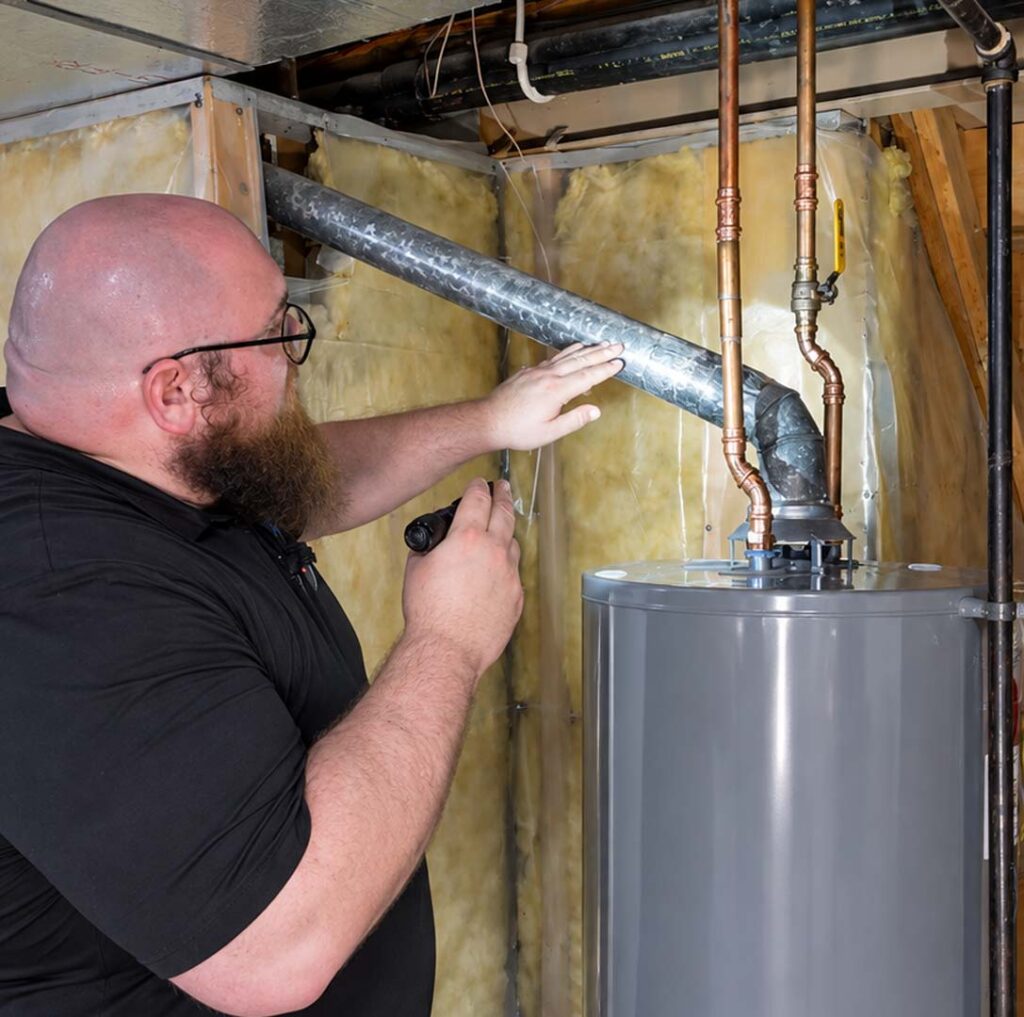
During a home inspection, the inspector evaluates accessible and observable portions of the plumbing system within the scope of the inspection.
Depending on the home’s age, plumbing material, and accessibility, an inspection may include observations of:
HC Inspectors’ home inspection process includes evaluation of accessible fixtures, visible supply and drain lines, and the water heater as one part of a complete, whole-home evaluation, not as a standalone service. Their inspection reports also explain that concealed plumbing, including lines inside walls, under slabs, or underground, generally falls outside the standard inspection scope.
A standard home inspection is not the same as a full plumbing contractor evaluation. Some conditions, particularly anything inside a wall, under a slab, or underground, require specialized equipment like a sewer scope camera to properly assess.
When an inspector identifies a condition that requires specialized diagnosis, the report should explain the concern and recommend appropriate further evaluation when necessary.
Plumbing problems can range from minor fixture issues to defects that affect the whole system.
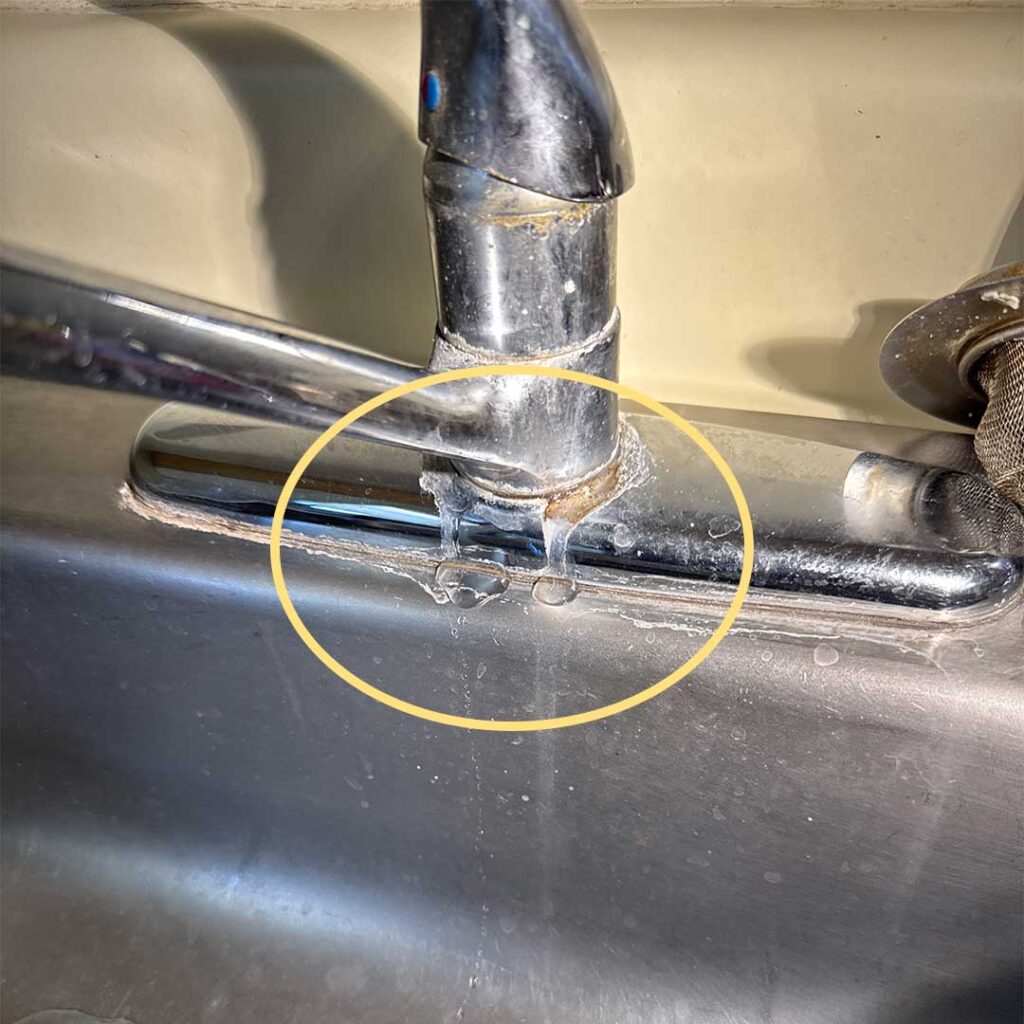
Leaking or dripping fixtures are among the most common plumbing findings, and they’re also some of the easiest to overlook since a slow drip rarely seems urgent on its own.
An inspector runs each faucet and checks whether it continues dripping after being shut off, along with looking underneath sinks for water marks or active drips while the water is running. A leak that’s been present for a while often leaves a visible sign, staining, mineral buildup, or a soft spot in the cabinet floor, well before the fixture itself gets replaced. Left unaddressed, even a small persistent drip adds up in wasted water and can eventually damage surrounding cabinetry or flooring.
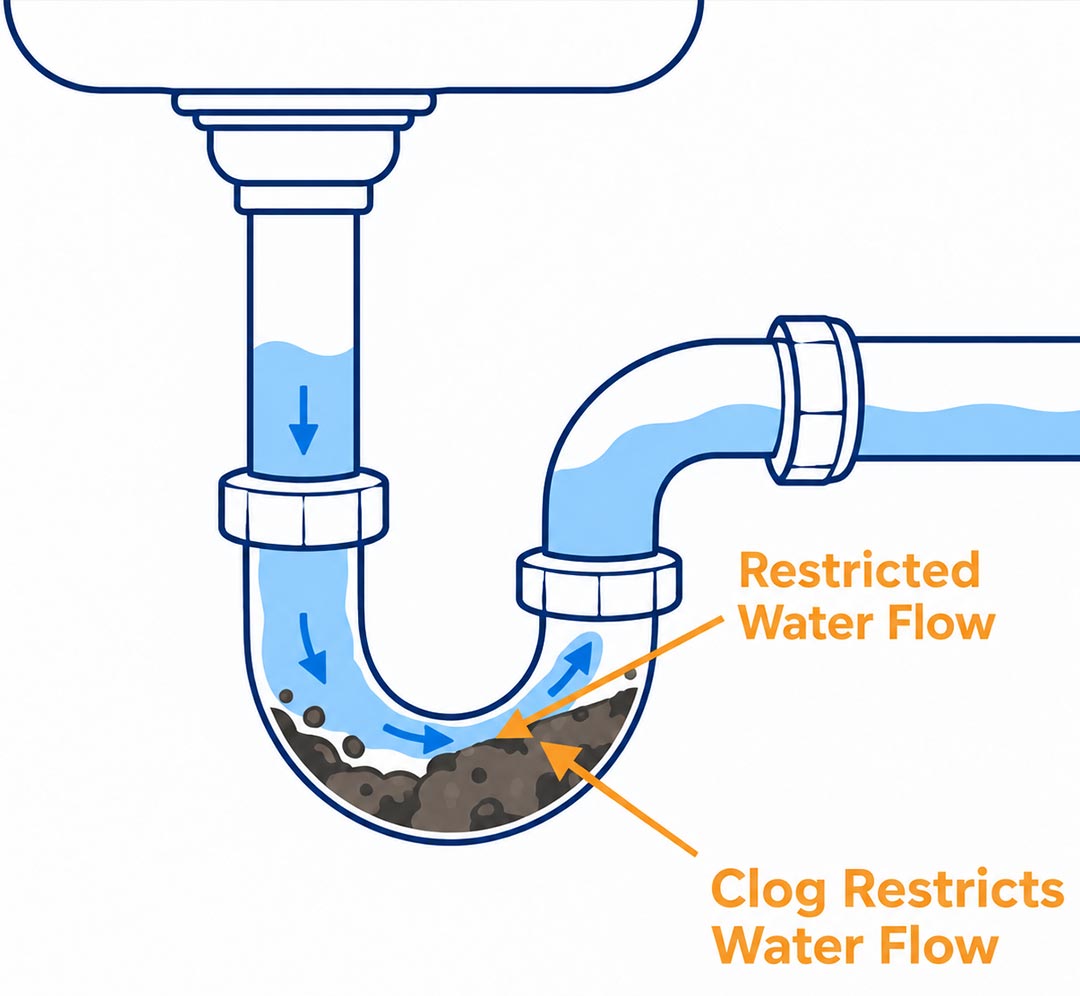
A slow-draining sink, tub, or shower is one of the more common complaints in any home, and it’s worth investigating rather than living with. Drains rarely fail all at once. They tend to slow down gradually, which makes it easy to adjust to the problem instead of addressing it.
An inspector checks that drains clear water at a normal rate and notes any blockages or slow drainage during the walkthrough. A single slow drain often points to a localized clog, hair, soap residue, or debris caught near the fixture, while multiple slow drains throughout a home can suggest a larger issue further down the drain line, closer to the main stack or the sewer connection itself. Because a clogged drain can worsen over time and eventually lead to backups, addressing a slow drain early is generally far less disruptive than waiting until it stops draining altogether, and far less costly than dealing with standing water or an overflow once a clog fully blocks the line.
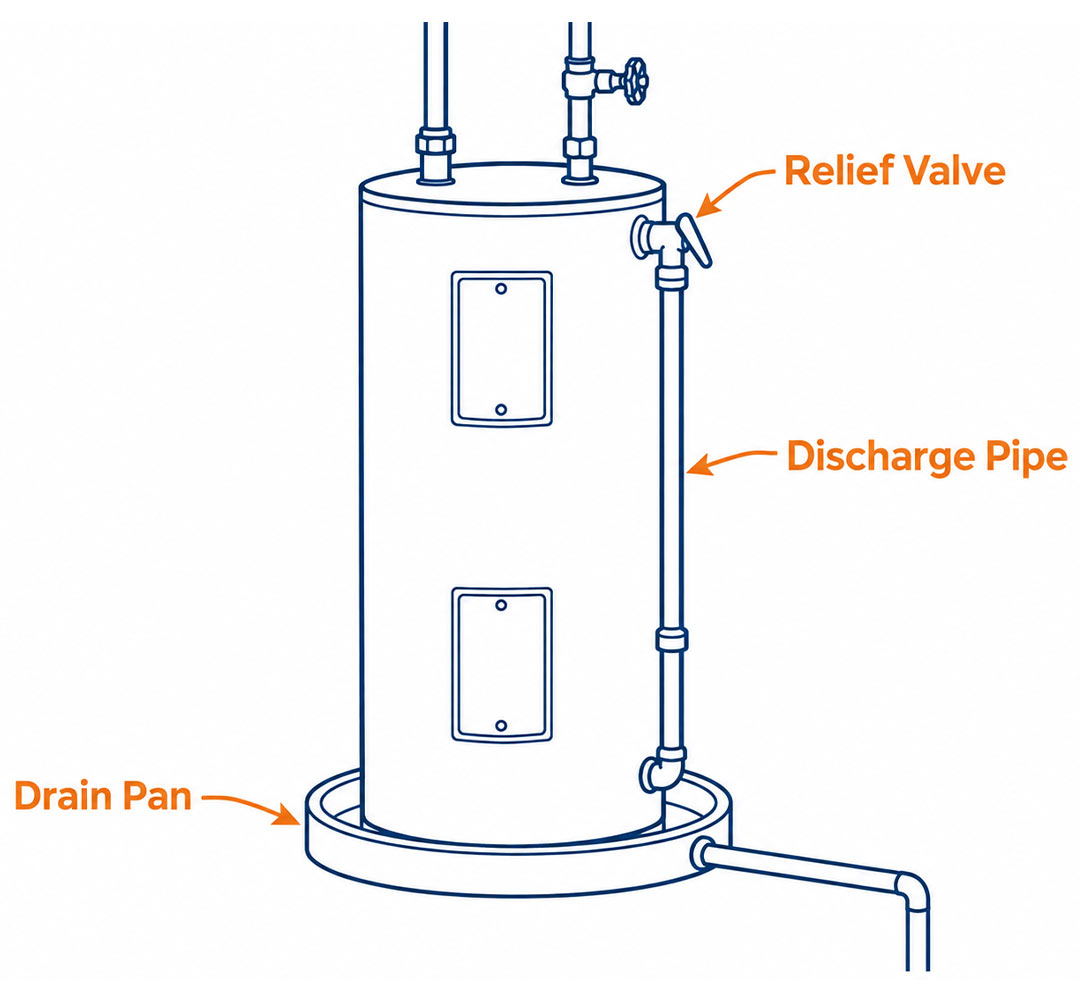
The water heater is one of the more overlooked plumbing components, but sediment buildup and general wear can affect both its performance and its lifespan. Because it’s tucked away in a basement, closet, or garage, it’s easy for a slowly developing issue to go unnoticed until the unit fails outright.
Sediment naturally collects at the bottom of a water heater tank over time, particularly in areas with harder water, and periodic draining helps remove it before it starts affecting efficiency or causing premature wear. An inspector checks the water heater’s visible condition, connections, and any signs of leakage or corrosion, along with the relief valve and discharge pipe that protect the tank from excess pressure. A water heater showing rust, corrosion, or an active leak at its base is a more urgent finding than one that simply shows normal wear for its age, since corrosion at the base often means the tank itself has already begun to fail from the inside.
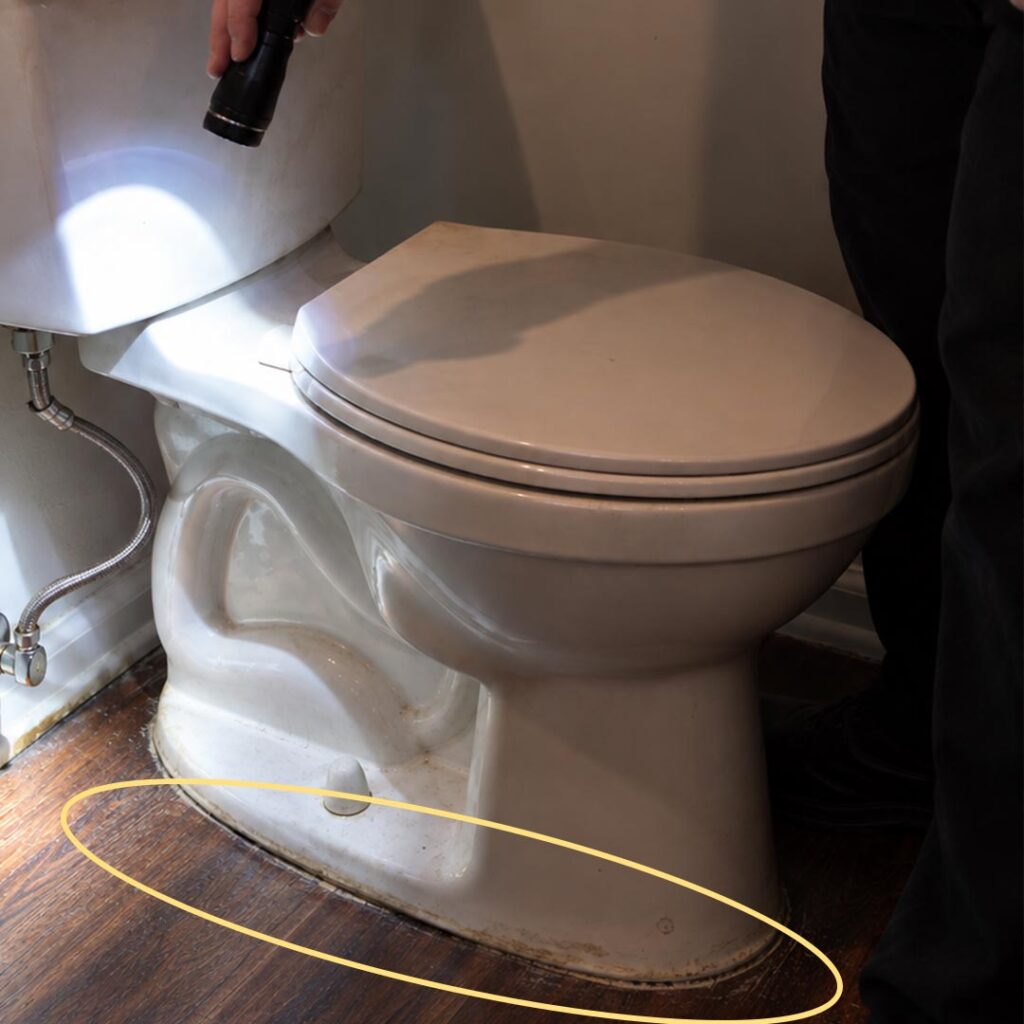
A toilet with loose fittings or a worn flapper is a common, usually inexpensive finding, but it’s still worth flagging since it affects both function and water use. Toilets see more daily use than almost any other plumbing fixture in the home, which makes them one of the more likely places to find early signs of wear.
An inspector checks that a toilet is securely mounted to the floor, flushes properly, and doesn’t show signs of a failing flapper or fill valve, since a worn flapper is one of the most common causes of a toilet that runs intermittently or wastes water without an obvious leak. A toilet that rocks slightly when pressure is applied may indicate a worn wax ring seal at its base, which can allow water to seep out around the fixture over time if left unaddressed, sometimes causing damage to the subfloor before the leak becomes visible on the surface.
Supply lines and hoses are a small part of the plumbing system by volume, but a failure here can cause a disproportionate amount of water damage in a short amount of time. Unlike a slow drain, a burst supply line can release a significant amount of water in minutes, which is part of why even minor wear on these components is worth taking seriously.
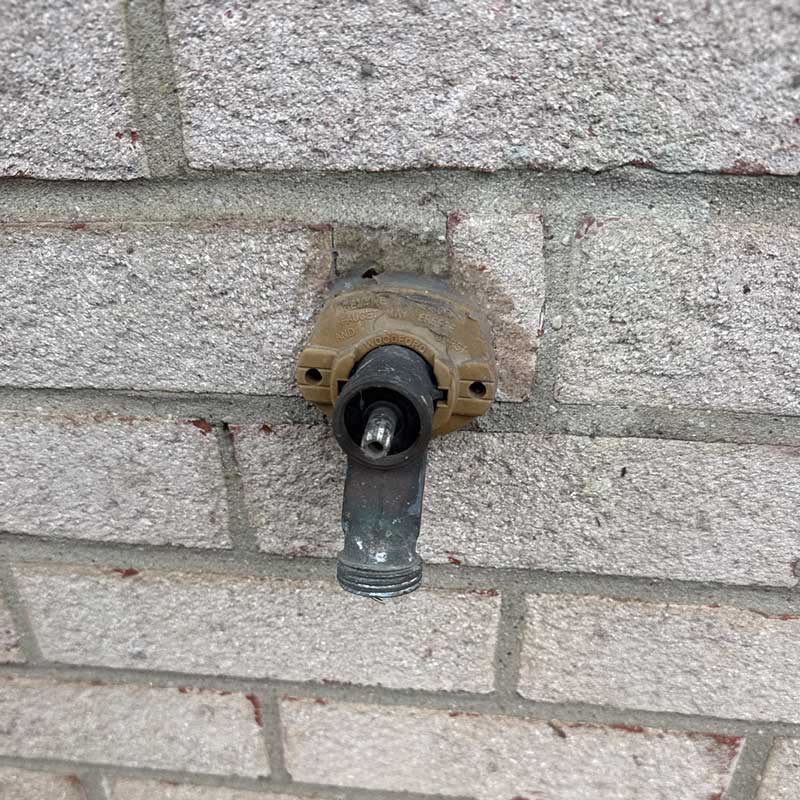
An inspector checks visible supply lines and hoses for brittleness, cracking, or active leakage, particularly at connection points and at appliances like a washing machine or refrigerator, since flexible hoses tend to fail before rigid supply lines do. In colder months, exterior spigots and hose bibs that haven’t been properly shut off or protected are vulnerable to freezing and cracking, which often isn’t discovered until the spigot is used again the following spring, sometimes revealing a leak that’s been quietly running inside a wall since the last freeze. A hose or supply line that already shows signs of wear is a straightforward, relatively low-cost fix that’s worth addressing before it fails outright.
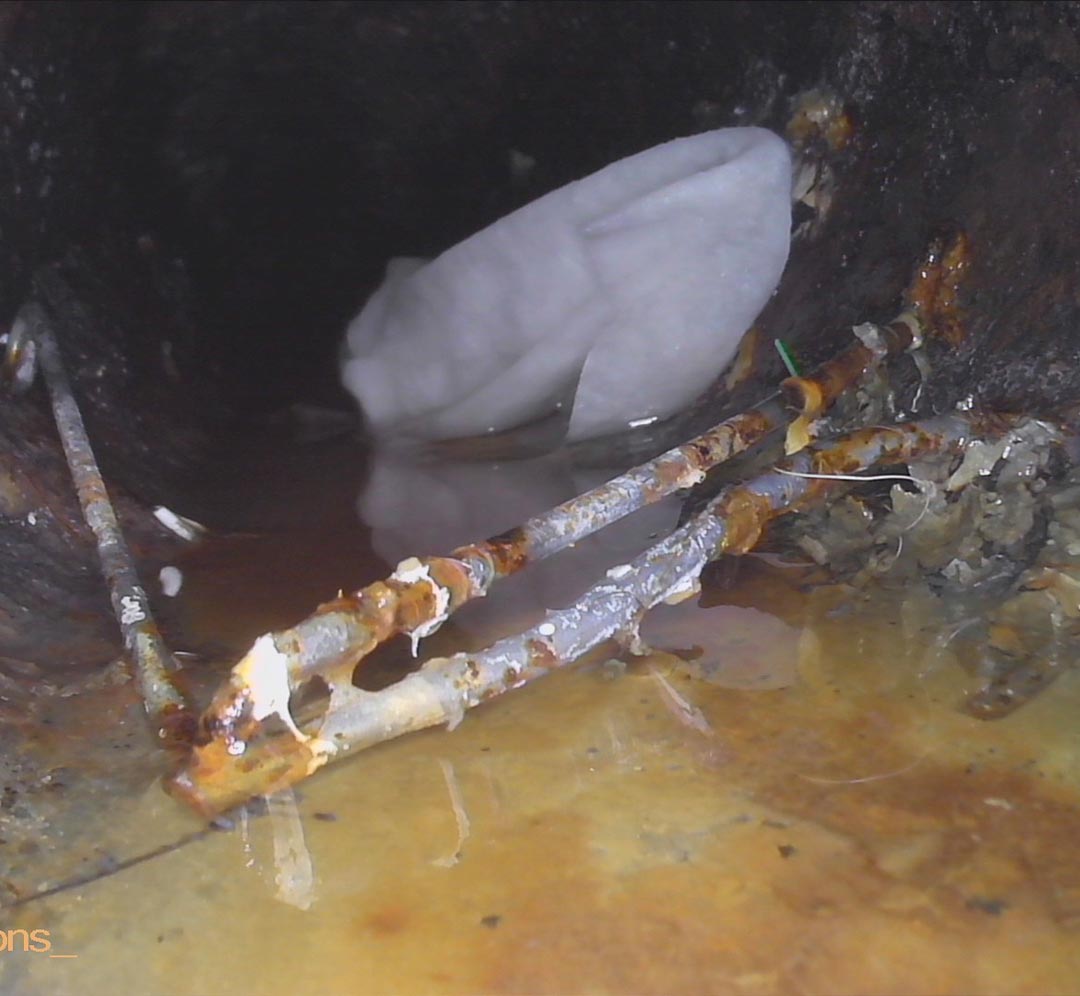
Underground and concealed plumbing can’t be evaluated the same way accessible fixtures can, which is exactly why a sewer scope is worth considering for many home purchases.
A standard visual inspection can note signs suggesting an underground plumbing issue, slow drainage throughout the home, unusual odors, or low spots in the yard, but confirming the actual condition of a sewer line requires a video sewer scope inspection. This is particularly relevant for older homes, homes with mature trees near the sewer line (root intrusion is a common cause of line damage), and homes with older pipe materials known to fail over time. HC Inspectors offers sewer scope inspections as a distinct add-on service, since this level of detail falls outside what a standard visual home inspection can confirm.
Homes on a septic system, rather than connected to municipal sewer, generally require a separate septic-specific evaluation, since a standard home inspection does not include excavating or pumping a septic tank to assess its condition.
Plumbing problems can develop for many different reasons.
For example, a home with older galvanized supply lines is more likely to show corrosion-related pressure and leak issues than a home that’s been repiped with modern materials.
Understanding the cause is important because replacing a fixture without addressing the underlying issue, like water pressure that’s too high, can allow the same problem to return.
Home buyers should pay attention to visible or noticeable signs that may indicate the plumbing system requires additional attention.
Warning signs can include:
These signs do not necessarily identify the exact cause of a problem. Instead, they indicate that the condition should be investigated rather than ignored, which is exactly what a full home inspection is designed to do before you’re locked into a purchase.
Plumbing issues have a way of causing damage well beyond the plumbing system itself.

A leak, even a slow one, can damage flooring, cabinetry, drywall, and framing long before it’s discovered.

Persistent leaks and moisture create the conditions mold needs to take hold, often in places that aren’t regularly checked.

Aging supply lines, a worn water heater, or an underground sewer issue can lead to failures at inconvenient, and costly, moments.

A gas leak, though rare, is a serious safety concern that plumbing components like water heaters and gas lines are checked for during an inspection.

A significant plumbing problem discovered after closing, a sewer line repair, a water heater replacement, a repipe, can become a costly surprise for a new homeowner.
This is exactly why plumbing is evaluated as part of a full home inspection rather than in isolation. A plumbing problem rarely tells the whole story about a house on its own. Schedule your home inspection with HC Inspectors to get a complete picture of the plumbing system alongside every other major system before you close.
Regular attention can help catch plumbing problems while they’re still minor.
Homeowners should:
Small plumbing issues rarely stay small. Addressing a drip or a slow drain early is almost always less costly, and less disruptive, than waiting for a failure.
Further evaluation by a licensed plumber may be appropriate when an inspection identifies a condition that cannot be fully diagnosed during a standard home inspection.
Examples may include:
A home inspector can identify and report observable concerns, but a licensed plumber may be needed for a detailed diagnosis, repair, or replacement recommendation.
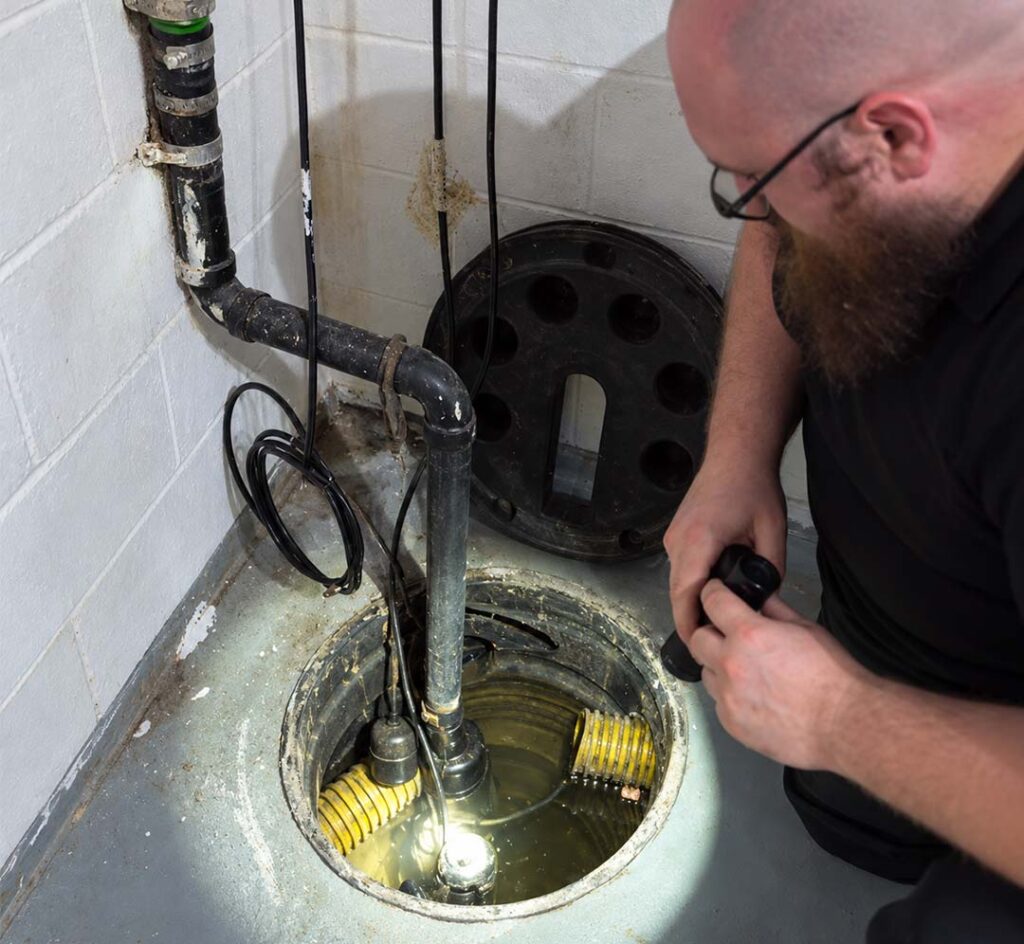
A home inspector evaluates accessible portions of the plumbing system, including fixtures, faucets, visible supply lines, drains, the water heater, and toilets, within the scope of the inspection.
The most common findings are dripping faucets, slow drains, water stains from past or active leaks, water heater sediment or corrosion, and worn toilet components like the flapper.
No. Age alone does not determine whether a home needs to be repiped. The material, condition, and any observed defects should all be considered together.
Generally not. A sewer scope is a separate, specialized inspection using a video camera to evaluate the condition of the underground sewer line, and it’s often worth adding for older homes or homes with mature trees near the sewer line path.
An inspector can note visible signs like staining or a musty odor that suggest a possible leak, but confirming a leak inside a wall or under a slab generally requires further evaluation by a licensed plumber.
A toilet that runs intermittently often has a worn flapper or fill valve. A toilet that rocks when pressure is applied may indicate a worn wax ring seal at its base.
No. A standard home inspection does not include excavating or pumping a septic tank. Homes on a septic system generally require a separate septic-specific evaluation.
Sediment naturally collects at the bottom of a water heater tank over time, particularly with harder water. It can reduce efficiency and contribute to premature wear if never drained.
A separate evaluation by a licensed plumber may be appropriate when the home inspection identifies significant concerns, suspected leaks inside walls, old pipe materials, or a condition requiring a sewer scope.
No. The plumbing system is evaluated as part of a broader home inspection covering observable conditions within the inspection scope. A detailed diagnosis or repair should come from a licensed plumber.
Plumbing problems have a way of causing damage well beyond the pipe or fixture where they start. Understanding what’s inspected and recognizing common warning signs can help buyers make more informed decisions during the home-buying process.
A plumbing finding doesn’t automatically mean a full repipe, and an older system does not automatically mean replacement is necessary. What matters is understanding its current condition, identifying significant defects, and determining whether additional evaluation, including a sewer scope where appropriate, is warranted before closing.
For Columbus and Central Ohio home buyers, a professional home inspection can provide valuable information about the plumbing system’s condition, along with every other major system in the home, before a purchase is completed. When an inspection identifies a concern that requires specialized diagnosis, working with a licensed plumber can help determine the appropriate next step.
Schedule your home inspection with HC Inspectors and get a complete evaluation of the plumbing system and every other major system, including the roof, furnace, electrical, and structure, in one visit.