What a Columbus & Central Ohio home inspection reveals about window and door condition, moisture damage, energy efficiency, safety concerns, and common problems worth asking about.
During a Columbus or Central Ohio home inspection, windows and doors are evaluated for visible damage, operation, security, weather protection, and signs of moisture intrusion. Inspectors look for failed window seals, deteriorated frames, damaged weatherstripping, defective locks, and improper flashing. A standard home inspection doesn’t replace specialized testing, but it identifies visible warning signs and helps buyers determine when a qualified professional should take a closer look before closing.
Windows and doors provide natural light, ventilation, security, and access while protecting the interior of a home from outdoor conditions. Their performance depends on several components working together, including frames, glass, weatherstripping, hardware, and the flashing that helps prevent water from entering the surrounding walls.
Modern windows often contain insulated glass units made with two or more panes separated by a sealed space. Depending on the design, this space may contain insulating gases such as argon or krypton, while low-emissivity (Low-E) coatings help reduce heat transfer. These features can improve energy efficiency and indoor comfort compared with older single-pane windows, particularly during Central Ohio’s cold winters and humid summers.
Exterior doors serve a similar protective purpose but must also provide secure entry and withstand frequent operation. Hinges, locks, thresholds, and weatherstripping help doors close properly and limit unwanted air or water infiltration. When these components deteriorate or become misaligned, even a relatively new door may develop operating problems.

Because windows and doors interrupt the exterior wall, proper flashing and drainage are especially important. Rainwater that enters through poorly sealed openings can affect concealed sheathing and framing, sometimes causing damage before visible signs appear inside the home. This is why inspectors consider window and door condition alongside nearby siding, trim, and other exterior components.
During a home inspection, the inspector evaluates accessible and observable windows and doors for operating problems, visible deterioration, safety concerns, and conditions that may allow air or moisture intrusion.
Depending on accessibility, construction, and the installed components, an inspection may include observations of:
HC Inspectors evaluates windows and doors as part of a complete home inspection rather than as a standalone installation or energy-efficiency assessment. A representative number of accessible windows may be operated, while exterior doors and installed garage vehicle doors are evaluated within the applicable inspection scope.
Some components, including concealed flashing, hidden wall damage, and the precise insulating performance of window glass, cannot be fully assessed through visual observation. When an inspection identifies conditions requiring specialized testing or investigation, further evaluation by a qualified professional may be appropriate.
Window and door problems can range from routine maintenance concerns to defects that affect safety, energy efficiency, and moisture protection. Some develop gradually as components age, while others result from improper installation, building movement, or repeated exposure to Central Ohio’s changing weather conditions.
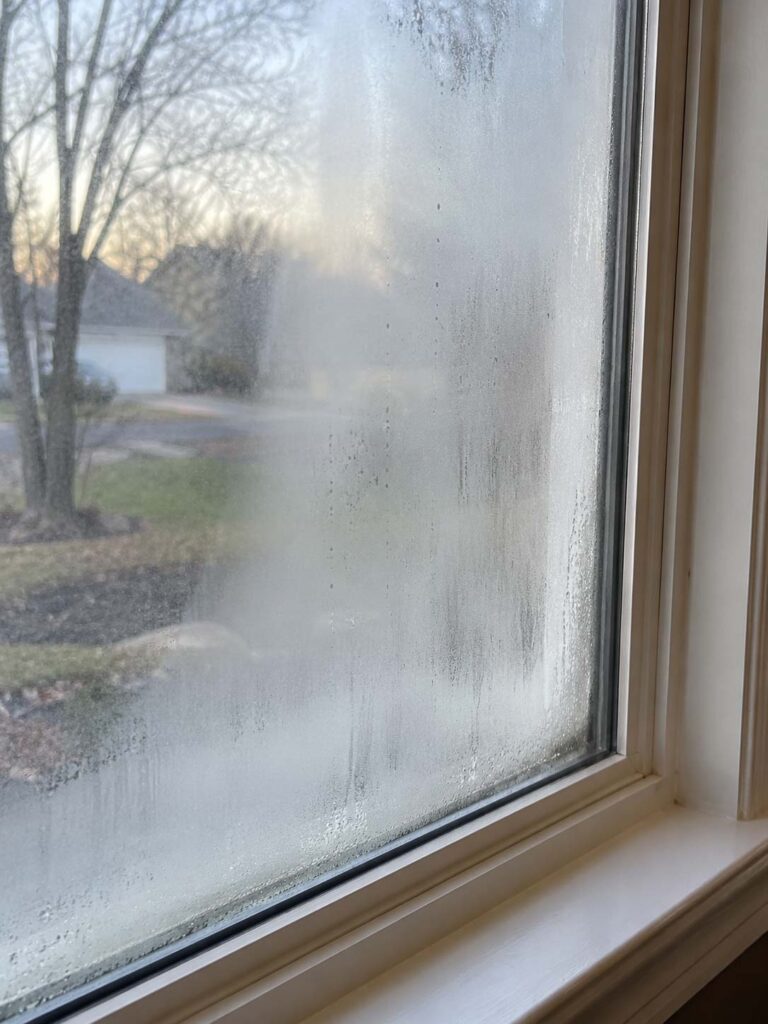
Modern double-pane and triple-pane windows use insulated glass units to help reduce heat transfer between the interior and exterior of a home. These units contain multiple panes separated by a sealed space, which may be filled with an insulating gas such as argon or krypton. When the perimeter seal deteriorates, moisture can enter between the panes and produce fogging or condensation that cannot be removed by cleaning the exposed glass surfaces.
The fogging may initially appear only during certain weather conditions, making the problem less noticeable at the time of an inspection. As the seal continues to deteriorate, condensation can become more persistent, leaving the glass looking cloudy or dirty even after cleaning. A failed seal can also reduce the window’s insulating performance, although the amount of efficiency loss depends on the construction and condition of the glass unit.
A broken seal does not necessarily mean the entire window needs replacement. Some windows allow the insulated glass unit to be replaced while retaining the existing frame, making it important to consider the window’s overall condition before deciding on repairs.
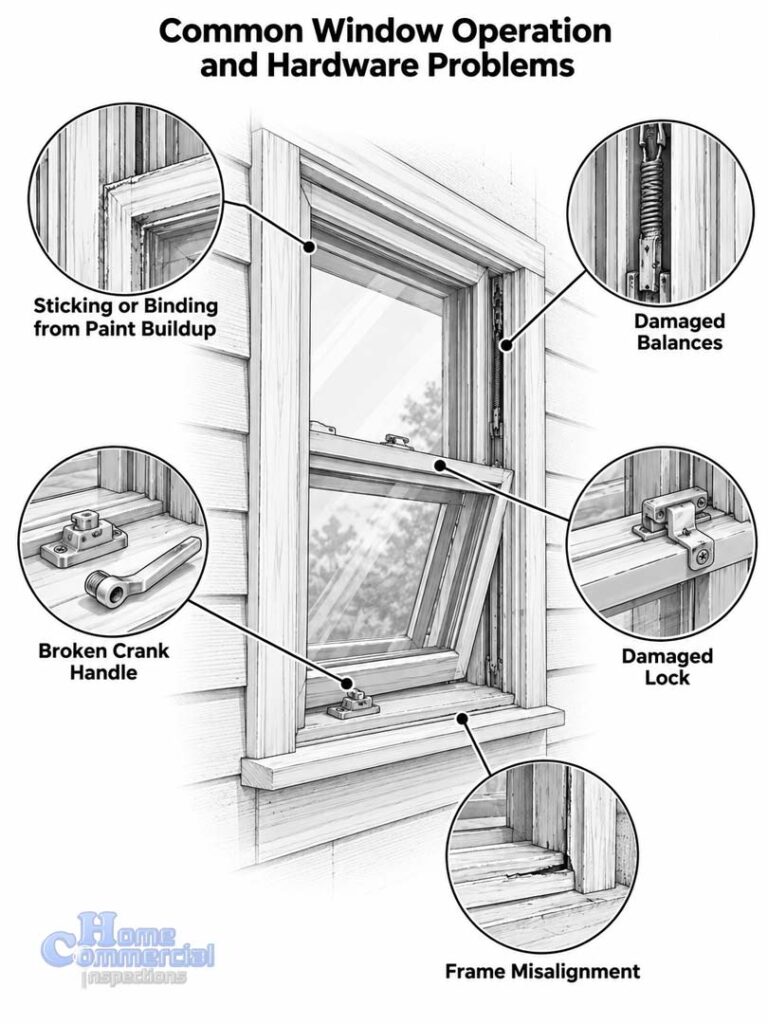
Windows should open, close, and lock properly according to their design, but operating problems can develop as hardware wears or frames become misaligned. Sticking, binding, broken cranks, damaged balances, and defective locks are common concerns that may result from normal aging, paint buildup, improper installation, or movement in the surrounding structure.
During a home inspection, a representative number of accessible windows are operated to identify problems with movement and hardware. Inspectors may observe whether windows open smoothly, remain in position when raised, and close securely without excessive force. Windows with tilt-in features or other specialized mechanisms may also have components that become damaged or difficult to operate over time.
Although many operating problems can be corrected through adjustments or replacement parts, a window that cannot be opened may present an additional concern when it serves as a required emergency escape or rescue opening. Significant deficiencies should therefore be considered in relation to the window’s location, intended function, and overall condition.
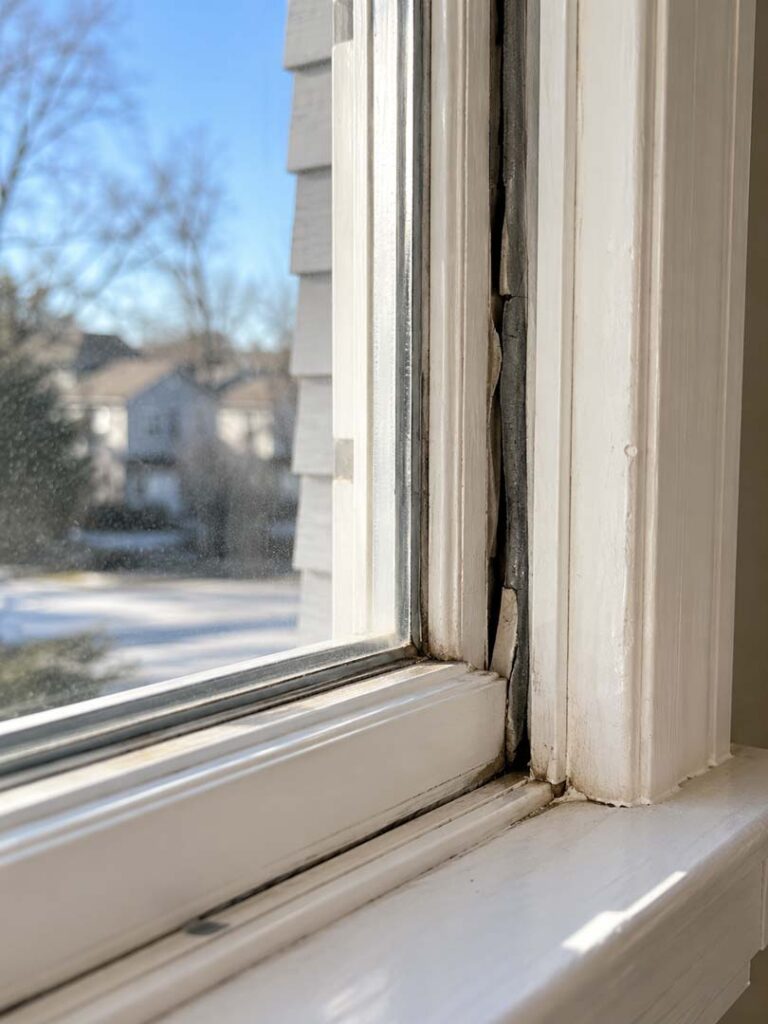
Weatherstripping and sealants help reduce unwanted air movement around windows and exterior doors. As these materials age, they may crack, compress, separate, or lose their flexibility, allowing outside air to enter through gaps that affect indoor comfort and heating or cooling performance.
Drafts are particularly noticeable during Columbus and Central Ohio winters, when cold temperatures and wind can make air leakage around exterior openings more apparent. Homeowners may notice cold areas near windows, increased outdoor noise, or rooms that are harder to keep comfortable despite the heating system operating normally.
Not every draft indicates that a window or door needs replacement. Worn weatherstripping, minor alignment issues, and deteriorated sealants can sometimes be corrected through relatively straightforward repairs. However, persistent leakage around multiple openings may justify a closer look at the quality of the original installation and the condition of the surrounding materials.
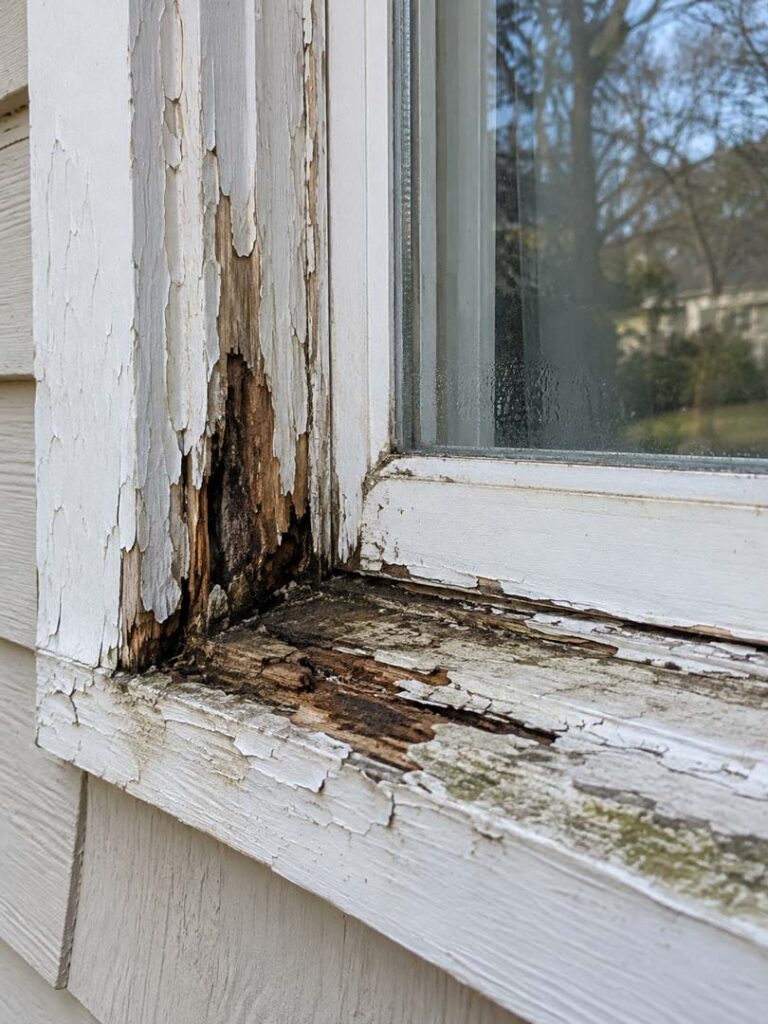
Window frames and surrounding trim are exposed to repeated changes in temperature, humidity, and weather conditions. Wood components are particularly vulnerable when protective paint deteriorates or water becomes trapped around joints, sills, and lower corners, where moisture may remain long enough to contribute to decay.
Inspectors look for visible signs such as softened or crumbling wood, peeling paint, dark staining, swollen materials, and deteriorating trim. These conditions may indicate ordinary surface deterioration or a more persistent moisture problem involving damaged flashing, failed exterior joints, or inadequate drainage around the window opening.
Moisture damage is not always limited to the visible frame. Water entering around a window may eventually affect concealed sheathing, insulation, and structural framing, making the extent of deterioration difficult to determine through visual observation alone. Localized repairs may be sufficient in some cases, but recurring staining or widespread rot can warrant further evaluation before closing.
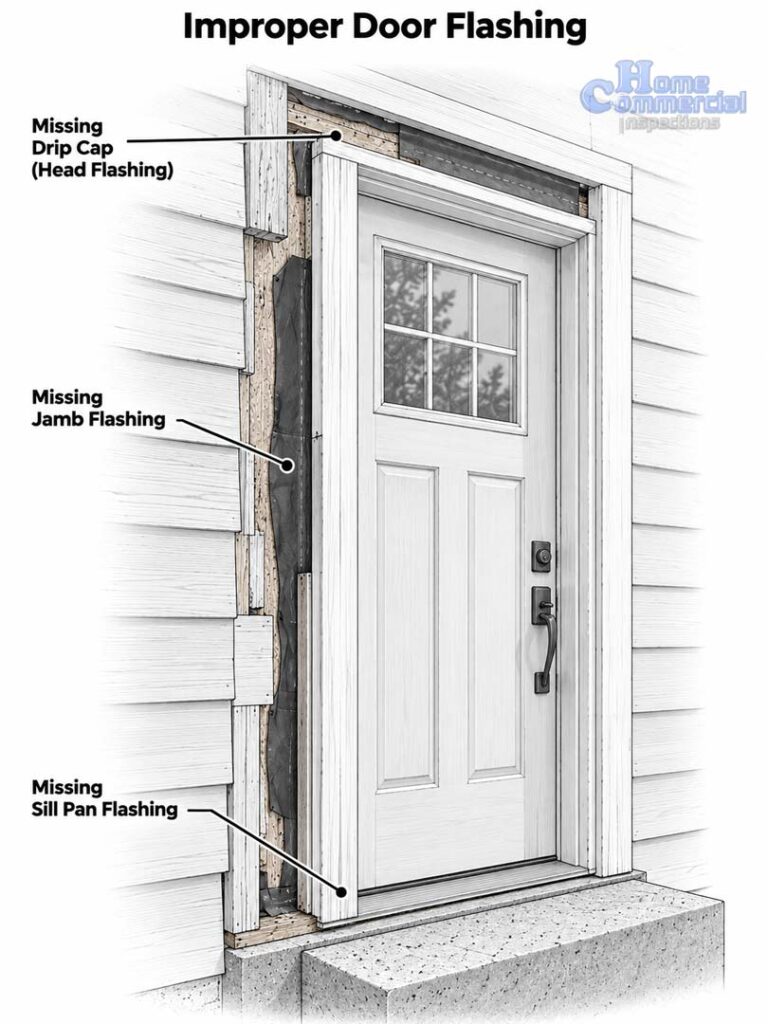
Flashing is an important part of window and door installation because it directs rainwater away from vulnerable openings and surrounding wall materials. Depending on the design, an installation may include sill pan flashing, jamb flashing, head flashing, and drip caps that work with the exterior weather-resistive barrier to manage water.
A drip cap is a flashing component used above certain window and door assemblies to direct water outward rather than allowing it to enter behind the upper trim. When flashing is missing, damaged, or incorrectly installed, rainwater may reach concealed wall components even when the window or door itself appears to be in good condition.
Visible clues can include staining beneath windows, deteriorated trim, peeling paint, or recurring moisture marks near exterior openings. Caulking can help protect appropriate joints, but it should not replace required flashing and drainage provisions because sealants can deteriorate over time. Since many flashing components are concealed behind siding and trim, inspectors evaluate accessible installation details and visible evidence of water intrusion.
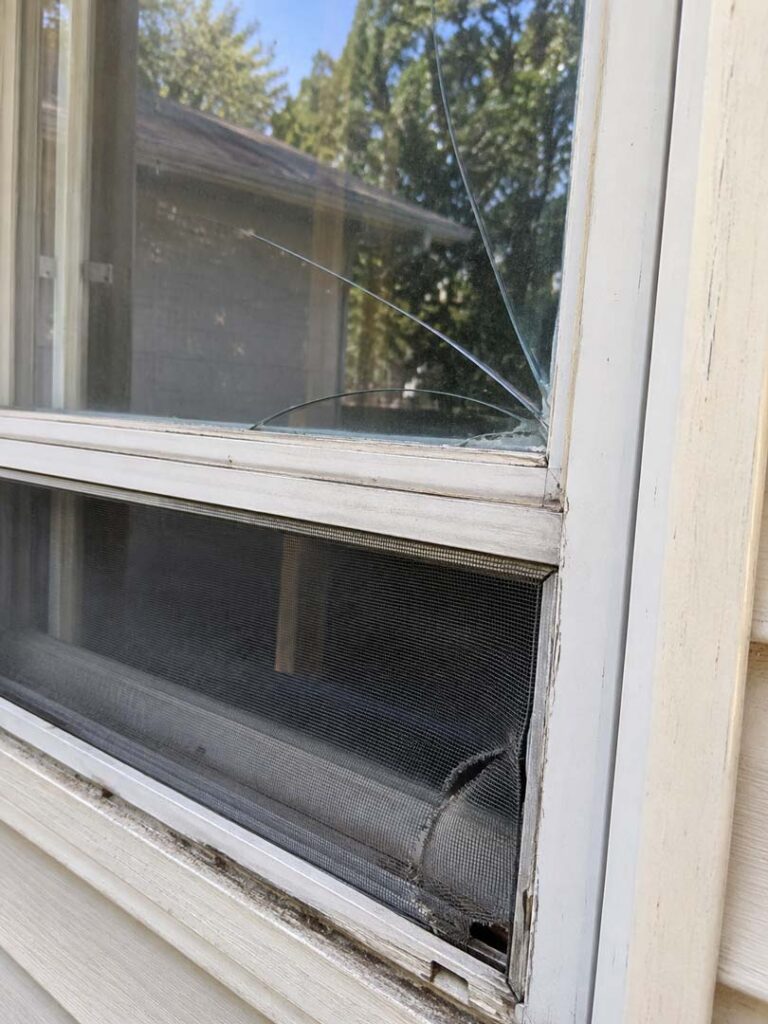
Cracked glass, damaged frames, broken screens, and deteriorating operating components can affect the safety, appearance, and everyday use of residential windows. Some problems result from physical impact or storm damage, while others develop through normal wear, temperature-related stress, or movement affecting the window assembly.
Inspectors examine accessible glass and surrounding components for visible damage that may interfere with proper operation or weather protection. Window screens may have torn mesh or bent frames, while cracked glazing or loose glass can present more significant concerns, particularly in locations where occupants could accidentally come into contact with the glass.
Safety glazing is especially important in certain doors, windows near walking surfaces, and other locations where building requirements address the risk of human impact. A damaged pane does not always require complete window replacement, since some assemblies allow individual glass units or components to be replaced. The appropriate repair depends on the window’s construction and the extent of the damage.
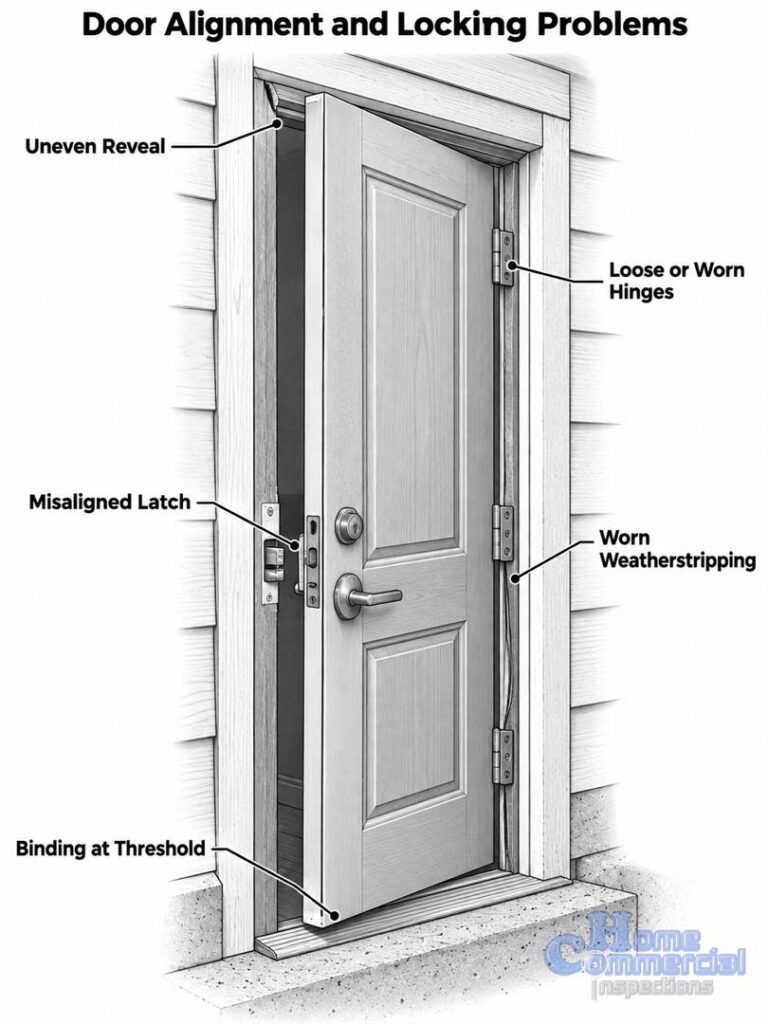
Doors should open, close, and latch without excessive force, scraping, or binding. When a door becomes difficult to operate, the cause may involve worn hinges, loose fasteners, deteriorated frames, improper installation, or changes in the surrounding structure that affect alignment.
During a home inspection, accessible doors are evaluated for operating deficiencies, damaged hardware, and visible distortion. Exterior doors also receive attention because deteriorated weatherstripping, damaged thresholds, or open joints can allow drafts and moisture intrusion while reducing the door’s ability to protect the home from outdoor conditions.
A sticking door does not automatically indicate a foundation or structural problem, since seasonal humidity and ordinary hardware wear can produce similar symptoms. However, multiple doors that have become noticeably misaligned, particularly when accompanied by wall cracking or uneven floors, may suggest broader building movement that deserves further investigation.
Garage vehicle doors are among the largest and heaviest moving components in a home, making proper operation and safety especially important. These systems rely on tracks, rollers, hinges, springs, cables, and sometimes electric openers to raise and lower the door. When components become worn, damaged, or improperly adjusted, the door may operate unevenly, produce unusual noises, or become difficult to open and close.
During a home inspection, inspectors evaluate accessible garage door components for visible deterioration, damage, and operating deficiencies. Common concerns include frayed lifting cables, damaged rollers, loose track supports, broken springs, and doors that appear misaligned. Although some problems develop through normal wear, improper installation or previous repairs can also affect the system’s reliability and safe operation.
Automatic garage door openers introduce additional safety considerations because they must respond properly to normal controls and installed protective devices. Inspectors evaluate accessible safety features, including photoelectric sensors and the automatic reversal system, within the applicable inspection scope. A malfunctioning safety feature may prevent the door from reversing when an obstruction is detected, creating a potential injury risk.
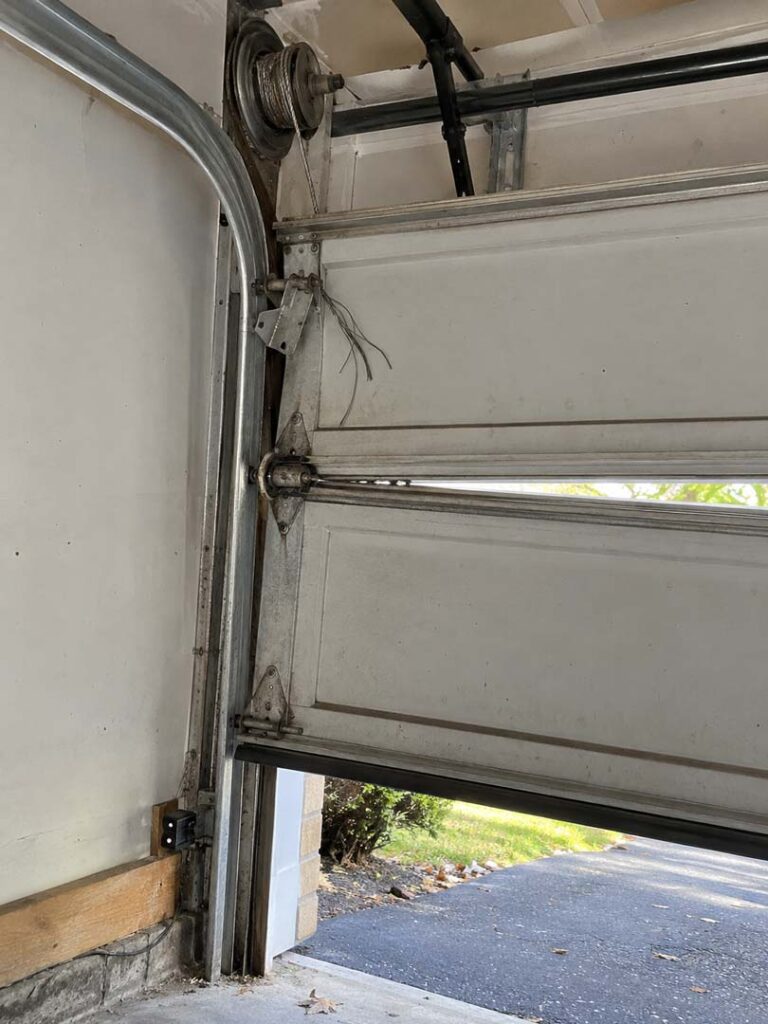
Because garage door springs and lifting cables operate under considerable tension, homeowners and buyers should never attempt to adjust or repair these components themselves. When an inspection identifies significant damage, unusual operation, or defective safety features, further evaluation by a qualified garage door technician is recommended to determine the necessary repairs.
Windows and doors are exposed to repeated operation, seasonal temperature changes, and moisture, all of which can gradually affect their performance. Some problems result from ordinary wear, while others develop because of improper installation or building movement.
Common causes include:
For example, a window that becomes difficult to close may simply have worn hardware, but the same symptom can occur when its frame shifts out of alignment. Likewise, moisture staining beneath a window may originate from defective flashing rather than the window glass itself.
Understanding the cause helps prevent recurring problems, since replacing damaged components without addressing an underlying installation or moisture issue may provide only a temporary solution.
Home buyers should pay attention to visible damage and operating problems that may indicate windows or doors require additional maintenance, repairs, or professional evaluation.
Warning signs include:
These conditions do not necessarily indicate that complete replacement is required. However, recurring moisture staining, widespread deterioration, or significant operating deficiencies should be investigated rather than dismissed, especially when related problems appear elsewhere in the home.
Windows and doors affect more than the appearance of a home. Their condition influences safety, comfort, energy performance, and the ability of the exterior walls to resist moisture intrusion.

Damaged locks, broken glass, and inoperable windows can affect security and emergency access, while malfunctioning garage door safety systems may create additional hazards.

Failed seals, deteriorated weatherstripping, and excessive air leakage can reduce indoor comfort and contribute to higher heating and cooling costs, particularly during Central Ohio’s seasonal temperature extremes.

Improper flashing and deteriorated frames may allow water to reach concealed wall materials, potentially causing wood rot, damaged insulation, and additional repairs beyond the window or door itself.

Windows and doors that are difficult to operate can interfere with ventilation, access, and everyday use. Poorly sealed openings may also allow drafts and outside noise to enter the home.

Repair costs can vary from relatively simple hardware adjustments to extensive replacement work involving damaged surrounding materials. Identifying concerns before closing helps buyers better understand potential expenses.
This is why windows and doors are evaluated as part of a complete home inspection rather than considered only as decorative features. Their condition can reveal important information about the home’s maintenance history, weather protection, and overall functionality.
Schedule your home inspection with HC Inspectors to better understand the condition of accessible windows and doors alongside the home’s other major systems before purchasing.
Further evaluation may be appropriate when an inspection identifies significant damage, unsafe operating conditions, or problems that cannot be fully diagnosed through visual observation.
Examples include:
Depending on the concern, a qualified window contractor, door installer, building-envelope specialist, garage door technician, or structural engineer may be needed for detailed diagnosis and repair recommendations.
A home inspector can document observable deficiencies, but determining the exact condition of concealed materials or performing specialized testing generally falls outside the scope of a standard home inspection.
A home inspector evaluates accessible windows and doors for visible deterioration, damaged glass, operating problems, defective locks, weatherstripping, and signs of moisture intrusion. The inspection may also include accessible flashing, exterior thresholds, and garage door safety features within the applicable inspection scope.
A standard home inspection generally involves operating a representative number of accessible windows rather than every window in the home. Windows that are obstructed, inaccessible, or unsafe to operate may not be tested.
Condensation between glass panes commonly indicates that the insulated glass unit’s perimeter seal has failed, allowing moisture into the sealed space. Unlike condensation on an exposed glass surface, this fogging cannot normally be wiped away and may require replacement of the glass unit.
Not necessarily. Some windows allow the insulated glass unit to be replaced without removing the entire frame. The appropriate repair depends on the window’s age, design, overall condition, and availability of replacement components.
Sticking windows may result from worn hardware, paint buildup, damaged tracks, improper installation, or frame movement. When several windows develop similar alignment problems, further evaluation may help determine whether the issue extends beyond the operating hardware.
Yes. Missing flashing, deteriorated sealants, and poorly detailed installation joints can allow water to enter the surrounding wall. Persistent moisture may eventually damage trim, sheathing, insulation, or framing, even when the window glass remains intact.
A drip cap is a flashing component installed above certain window and door assemblies to direct water away from the opening. Properly integrated flashing helps protect surrounding wall materials, while relying on caulking alone may leave the installation vulnerable to moisture intrusion.
Yes. Home inspections generally include operating installed garage vehicle doors and evaluating accessible components and automatic opener safety features within the inspection scope. Damaged springs, cables, tracks, or defective safety-reversal systems may warrant evaluation by a qualified garage door technician.
Service life varies with the material, installation quality, maintenance, and exposure conditions. Many residential windows and doors remain functional for several decades, although seals, weatherstripping, and hardware may require repairs sooner. Age alone does not determine whether replacement is necessary.
Specialized evaluation may be appropriate when an inspection identifies significant moisture intrusion, extensive frame deterioration, serious installation deficiencies, unsafe glass, or garage door safety concerns. Understanding these conditions before closing can help clarify necessary repairs and potential expenses.
Windows and doors contribute to a home’s comfort, safety, weather protection, and everyday functionality. Understanding common problems, from failed insulating glass seals to deteriorated frames and improper flashing, can help buyers recognize conditions that deserve attention before purchasing a property.
An older window does not automatically require replacement, and an isolated sticking door may only need adjustment. What matters is understanding the current condition, identifying significant defects, and determining whether maintenance, repairs, or further evaluation are appropriate.
For Columbus and Central Ohio home buyers, a professional home inspection provides valuable information about accessible windows and doors alongside the other major systems of the home. When specialized diagnosis is needed, a qualified contractor can help determine the appropriate next step before closing.
Schedule your home inspection with HC Inspectors and get an evaluation of accessible windows and doors alongside the roof, siding, electrical, plumbing, heating, structure, and other major home systems in one visit.