What a Columbus & Central Ohio home inspection reveals about interior walls, ceilings, floors, moisture damage, structural warning signs, and common problems worth asking about.
During a Columbus or Central Ohio home inspection, the interior is evaluated for visible damage, moisture intrusion, structural warning signs, and the condition of accessible walls, ceilings, floors, stairs, and other interior components. Inspectors look for drywall cracks, water stains, uneven flooring, damaged finishes, and operating problems. A standard home inspection cannot reveal every concealed defect, but it helps buyers recognize potential concerns and determine when further evaluation by a qualified specialist may be necessary before closing.
An interior home inspection evaluates the visible and accessible components of a home’s living spaces to identify deterioration, safety concerns, and conditions that may indicate problems elsewhere in the building. Although buyers often focus on room layouts, finishes, and overall appearance, interior surfaces can reveal important information about how a property has performed over time.
Walls, ceilings, and floors are particularly useful because they may show evidence of moisture intrusion, building movement, or previous repairs. Cracks in drywall, stains near ceiling corners, uneven flooring, and doors that no longer fit properly can provide clues about conditions that are not immediately visible behind finished surfaces.
Not every irregularity indicates a serious problem. Houses naturally experience changes in temperature, humidity, and minor movement, which can cause small drywall cracks, nail pops, or gaps at trim joints. However, larger cracks, recurring moisture stains, or several related defects may suggest conditions that deserve closer attention.
For home buyers in Columbus and Central Ohio, interior inspections are especially valuable because properties vary considerably in age, construction methods, and renovation history. Older homes may contain settled framing and multiple layers of previous repairs, while newer homes can develop problems associated with installation quality, moisture control, or normal material movement.
Understanding the interior’s condition helps buyers distinguish ordinary cosmetic maintenance from potentially significant defects. It also provides a clearer picture of how the home’s structural, roofing, plumbing, and mechanical systems may be affecting the living areas.
During a home inspection, the inspector evaluates accessible interior components for visible deterioration, operating deficiencies, safety concerns, and conditions that may suggest moisture intrusion or structural movement.
Depending on the home’s age, construction, accessibility, and installed systems, an inspection may include observations of:
HC Inspectors evaluates these components as part of a complete home inspection rather than treating individual rooms as separate systems. Observations made inside the home may also relate to the roof, attic, foundation, plumbing, or exterior walls, which is why interior findings are considered alongside the condition of other accessible building components.
The American Society of Home Inspectors (ASHI) Standard of Practice provides guidelines for evaluating accessible interior components, including walls, ceilings, floors, stairs, handrails, and other visible features. These guidelines help establish what a standard home inspection covers and explain why concealed conditions or specialized concerns may require further evaluation.
A standard home inspection is primarily visual and does not involve removing drywall, lifting installed flooring, moving heavy furniture, or opening concealed wall and ceiling cavities. Inspectors also cannot determine the exact cause of every crack, stain, or uneven surface without additional investigation.
When a condition suggests significant structural movement, concealed moisture damage, or a specialized safety concern, the inspection report may recommend evaluation by an appropriately qualified professional.
Interior problems can range from minor cosmetic defects to conditions that indicate moisture intrusion, deteriorating materials, or movement within the building. The significance of a finding depends on its location, extent, and whether it appears alongside other related symptoms.
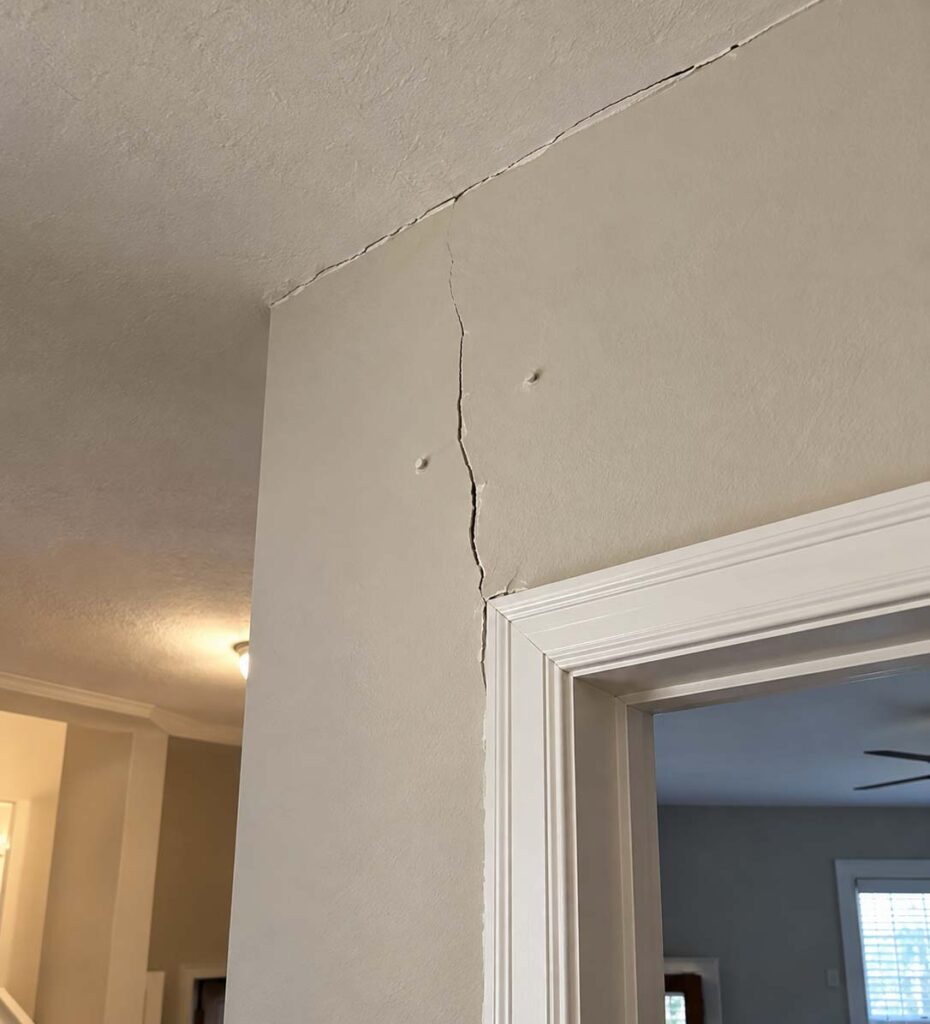
Drywall cracks and nail pops are frequently observed in residential interiors, particularly near ceiling joints, door openings, and areas where framing materials meet. These conditions can develop as lumber dries, materials expand and contract, or minor building movement places stress on finished surfaces.
Small hairline cracks and isolated nail pops are often cosmetic concerns that can be repaired during routine maintenance. However, larger diagonal cracks, repeated cracking after repairs, or separation between walls and ceilings may suggest movement that deserves closer attention, especially when accompanied by sticking doors or uneven floors.
Inspectors consider the pattern, location, and apparent severity of cracking rather than assuming every defect indicates structural damage. While a visual inspection can identify conditions of concern, determining whether movement is active or structurally significant may require evaluation by a qualified contractor or structural engineer.
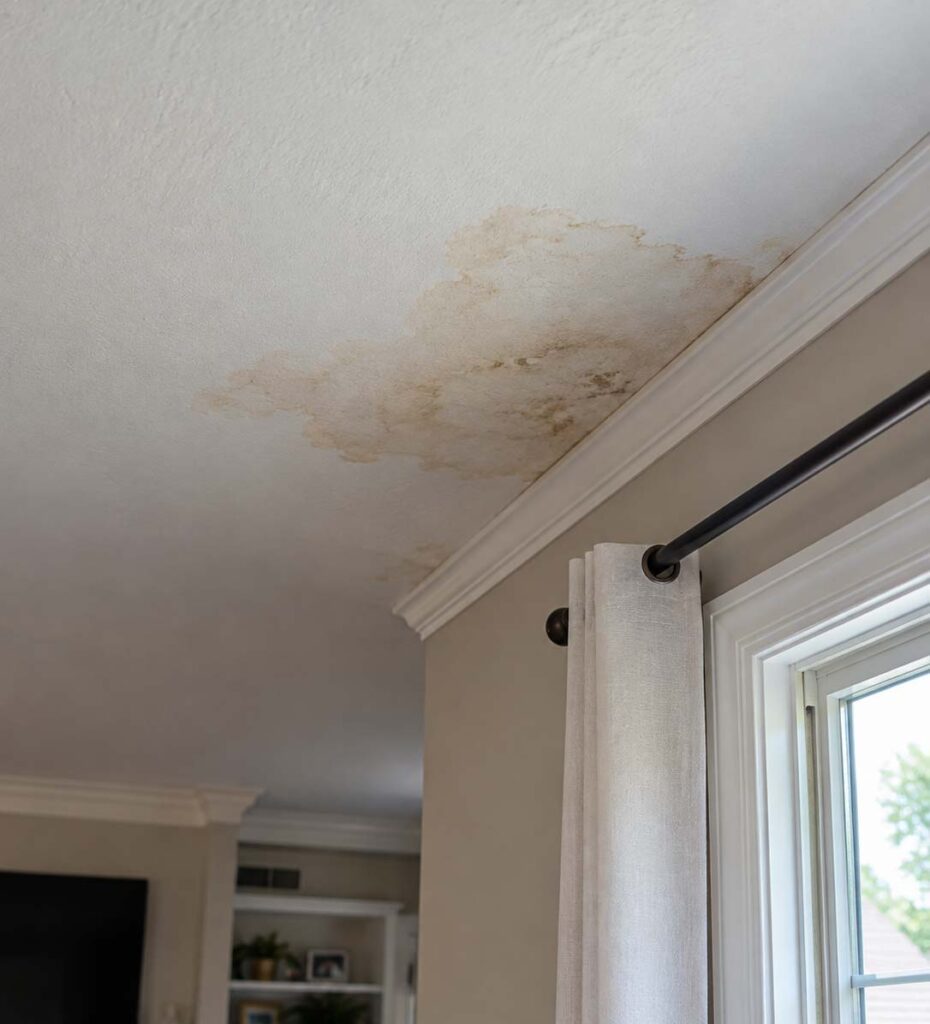
Water staining on ceilings and walls is an important inspection finding because it may indicate a past or ongoing moisture problem. Discoloration can develop from roof leaks, plumbing failures, condensation, or water entering through poorly sealed exterior openings.
During an inspection, visible stains, peeling paint, softened drywall, and damaged ceiling materials may provide clues about the location and possible source of moisture. In some situations, a thermal imaging camera or moisture meter may be used to investigate suspicious areas, although these tools cannot independently establish the exact source of a leak or confirm every concealed condition.
An old stain does not automatically mean water is still entering the home, just as a freshly painted ceiling does not guarantee that an earlier moisture problem has been corrected. Recurring staining, damp materials, or related deterioration may warrant further investigation before closing.
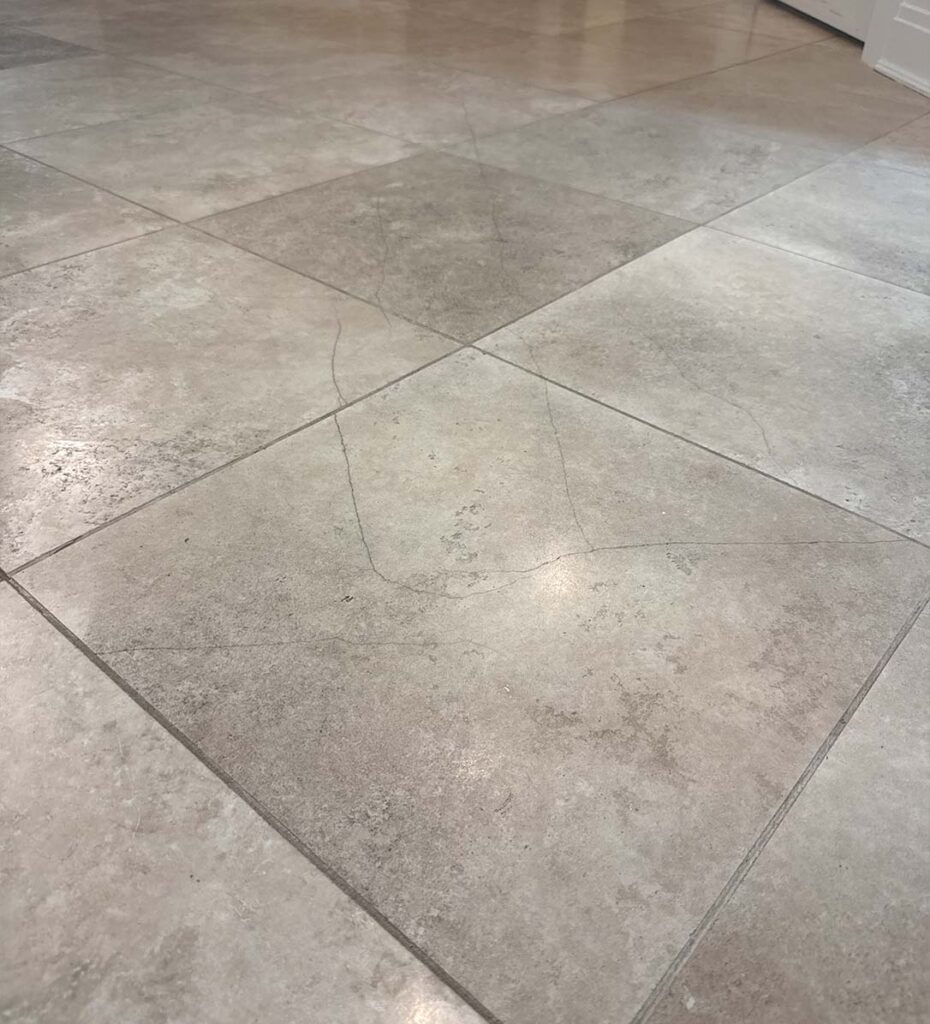
Floors that slope, sag, bounce excessively, or feel noticeably uneven can raise questions about the condition of the underlying framing and supports. These symptoms may develop from normal settlement, aging materials, inadequate support, moisture damage, or structural movement affecting the building.
Not every uneven floor indicates a serious structural defect. Many older Central Ohio homes have minor variations that developed gradually over decades, and the significance of these conditions depends on their extent, location, and relationship to other visible findings.
Inspectors look for noticeable irregularities and consider whether they appear alongside wall cracks, displaced trim, sticking doors, or other indicators of movement. When substantial sagging, unusual deflection, or related structural concerns are observed, further evaluation may be appropriate to determine whether repairs are necessary.
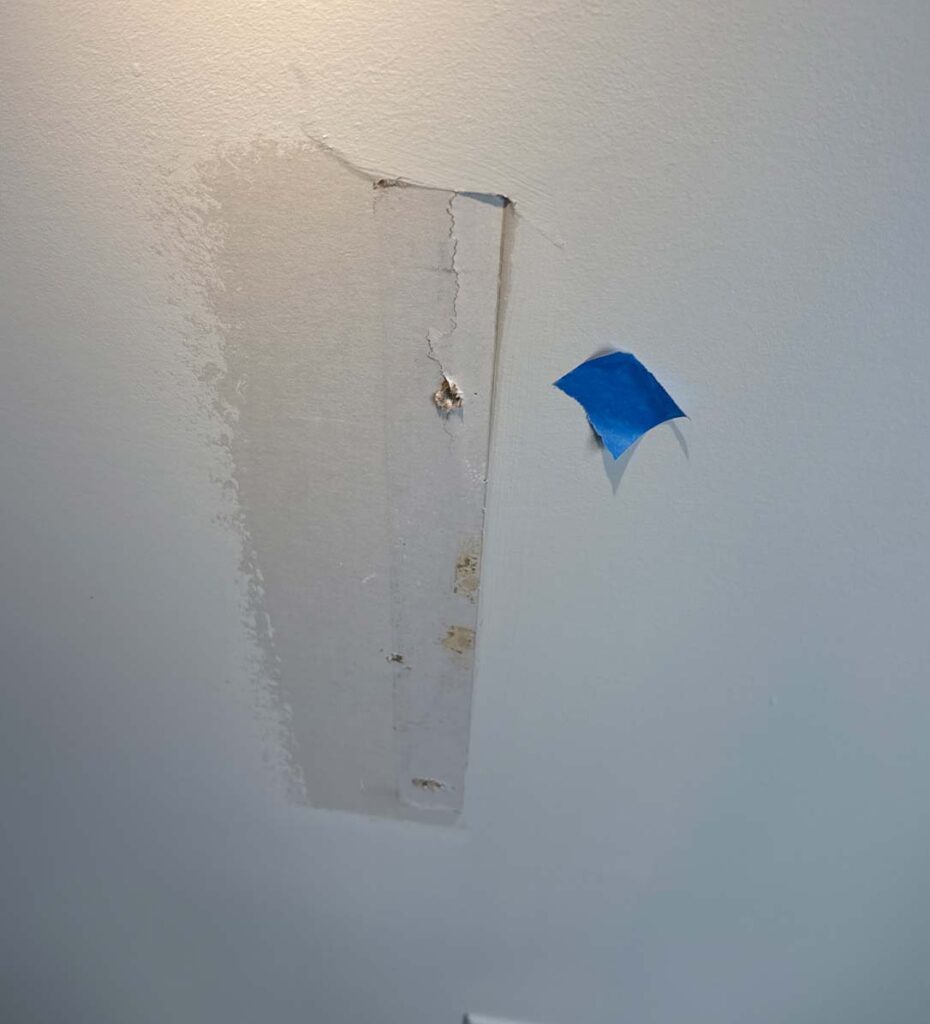
Interior wall finishes can reveal evidence of past maintenance, renovations, or conditions that may have affected the home. Peeling paint, damaged plaster, loose drywall tape, deteriorated corner beads, and uneven patching are common findings that vary in significance.
Some defects are primarily cosmetic, such as minor joint cracks or poorly finished drywall repairs. Others may indicate recurring moisture, material movement, or previous damage that has been covered without correcting the underlying cause.
Inspectors may also observe staining patterns that suggest different sources of discoloration. For example, dark marks caused by airborne particles collecting on cool surfaces, sometimes called ghosting, can resemble other forms of staining. Distinguishing these conditions may require considering ventilation, moisture, heating patterns, and the surrounding materials rather than relying on appearance alone.
Interior doors and windows experience frequent use, making worn hardware, sticking frames, and alignment problems common inspection findings. Doors that scrape against the floor, fail to latch, or swing unexpectedly may have loose hinges, deteriorated frames, or changes in alignment.
Windows can develop similar problems when balances, locks, cranks, or other operating components become worn or damaged. Painted-shut windows, cracked glass, deteriorated trim, and moisture around window openings may also be observed during an interior evaluation.
Although many operating deficiencies can be corrected through adjustment or localized repair, several misaligned doors or windows in the same area may suggest broader building movement. Inspectors consider these findings alongside visible cracks, floor irregularities, and the general condition of the surrounding structure.
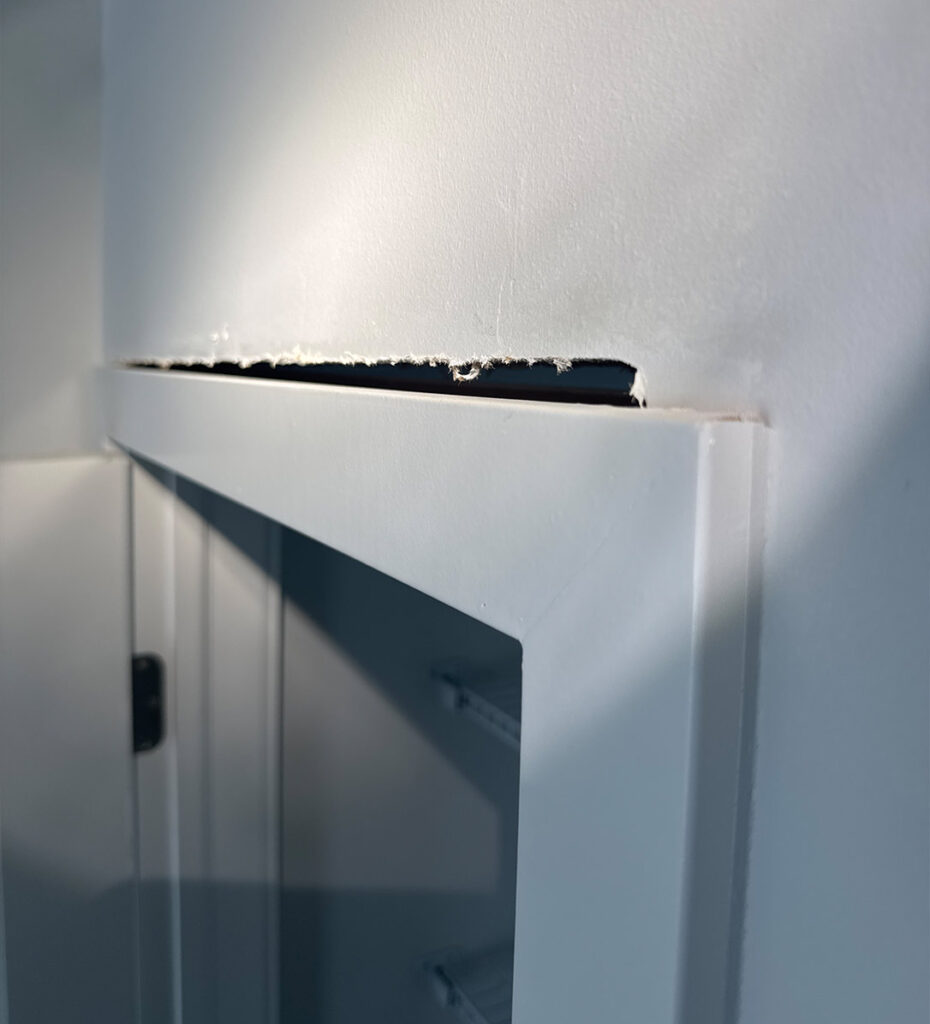
Electrical problems inside a home may involve damaged receptacles, loose switches, exposed wiring, missing protective devices, or lighting fixtures that do not operate as expected. These conditions can develop through normal wear, improper repairs, previous renovations, or inadequate installation.
During a home inspection, accessible electrical components are evaluated within the scope of the electrical system inspection. This generally includes checking a representative sample of receptacles, switches, and lighting fixtures, along with observing visible wiring and installed safety features where applicable.
A receptacle that appears functional is not necessarily free from every wiring defect, and a home inspection does not replace specialized electrical testing. Missing grounding, damaged devices, or other potentially hazardous conditions may require further evaluation by a licensed electrician.
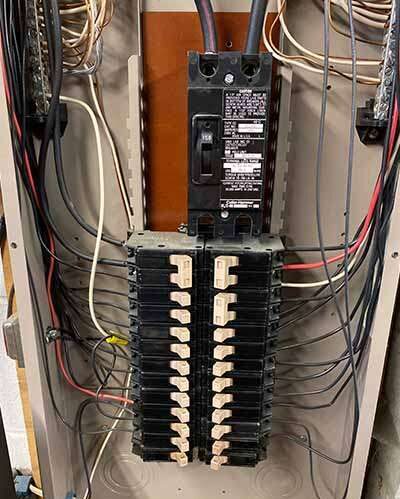
Interior comfort depends on the proper operation and distribution of heating and cooling throughout the home. Inspectors may observe accessible supply registers, return-air openings, installed heating sources, and conditions that suggest airflow or ventilation problems.
Uneven room temperatures, blocked registers, damaged duct connections, or unusual operating conditions may indicate maintenance needs or deficiencies involving the HVAC system. However, a standard home inspection does not establish the exact heating or cooling capacity required for every room or provide a complete airflow balance assessment.
Insulation also influences comfort, particularly in areas adjacent to attics, basements, crawl spaces, and exterior walls. Because insulation inside finished walls is usually concealed, inspectors generally rely on accessible areas and visible evidence rather than assuming that every room has a particular insulation level.
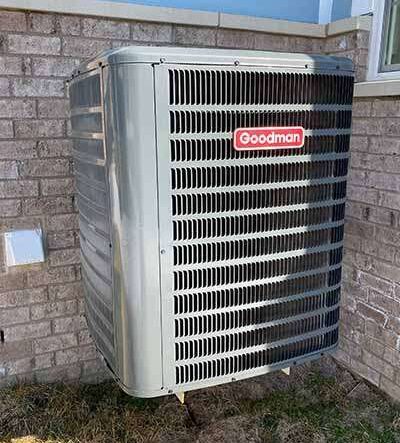
Fireplaces can be attractive features in a home, but they also require proper installation, maintenance, and venting to operate safely. Visible cracks, deteriorating masonry, damaged firebox materials, and unusual staining may indicate conditions that require attention.
During a home inspection, accessible fireplace and chimney components are evaluated within the applicable inspection scope. Depending on the fireplace type, observations may include the visible firebox, hearth, damper, chimney connections, and signs of damage or improper installation.
Dark staining around a fireplace opening may raise questions about smoke movement or previous operating conditions, but staining alone does not establish that active backdrafting is occurring. Likewise, an inspector cannot confirm that a concealed flue is clean, properly lined, or free from defects through visual observation alone.
When significant deterioration, suspected venting problems, or questionable fireplace operation is observed, a qualified chimney professional may be needed for a more detailed examination before the fireplace is used.
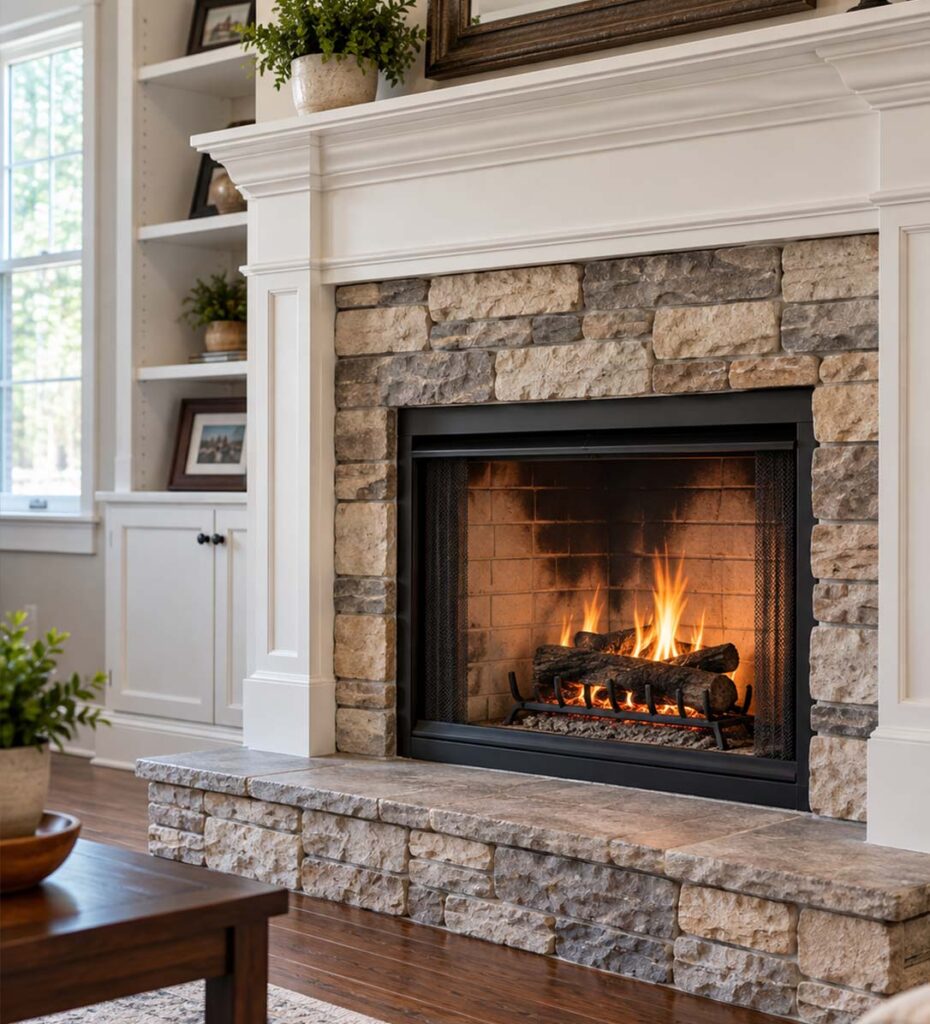
Interior defects can develop from normal aging, seasonal material movement, moisture exposure, and previous repairs, but some conditions originate in building systems outside the affected room. Understanding these relationships helps explain why a ceiling stain, drywall crack, or uneven floor should be considered in context.
Common causes include:
For example, a ceiling stain may result from a plumbing leak on the floor above, while recurring cracking near a doorway can sometimes be associated with movement in the surrounding framing. Addressing the visible finish without understanding the underlying condition may allow the same problem to return.
An interior inspection helps buyers identify these relationships and determine whether a defect represents ordinary maintenance or warrants closer investigation.
When touring a home, buyers should pay attention to unusual patterns of damage rather than judging each room solely by its appearance. Fresh paint, new flooring, or recently completed renovations can improve presentation, but they do not necessarily establish the condition of concealed materials.
Warning signs include:
These signs do not automatically indicate major structural or safety problems, but several related findings may point to a condition that deserves further evaluation. For example, a sloping floor combined with significant wall cracking and multiple misaligned doors may be more concerning than an isolated cosmetic crack.
A professional home inspection can help document these conditions and identify when additional investigation would be useful before the purchase is completed.
The condition of a home’s interior affects safety, comfort, maintenance needs, and the potential cost of repairs. Visible defects may also provide useful evidence about conditions affecting the structure or other building systems.
Significant floor movement, recurring drywall cracks, and displaced interior components may indicate conditions involving framing, foundations, or structural supports that require further investigation.

Water intrusion can damage drywall, insulation, flooring, and concealed framing. Persistent moisture may also create conditions that support mold growth and additional material deterioration.

Damaged stairs, loose handrails, unsafe electrical components, and deteriorating fireplaces can present hazards that deserve attention before the home is occupied.

Uneven floors, sticking doors, inadequate ventilation, and heating or cooling distribution problems can affect how comfortably and conveniently the home functions.

A relatively minor-looking stain or crack may require more extensive repairs when concealed deterioration is discovered, making it valuable to understand significant concerns before closing.
This is why the interior is evaluated alongside the home’s roof, foundation, plumbing, electrical, and mechanical systems. A defect visible inside one room may be connected to conditions elsewhere in the property, and considering these relationships provides a more complete understanding of the home’s condition.
Schedule your home inspection with HC Inspectors to evaluate accessible interior components along with the home’s other major systems before closing.
Further evaluation may be appropriate when an inspection identifies significant deterioration, safety concerns, or conditions that cannot be fully diagnosed through visual observation.
Examples include:
Depending on the finding, further evaluation may involve a structural engineer, qualified contractor, plumber, licensed electrician, moisture specialist, or chimney professional.
A home inspector can document visible conditions and recommend appropriate next steps, but determining the full extent of concealed damage or performing specialized structural and environmental testing generally falls outside the scope of a standard home inspection.
A home inspector evaluates accessible walls, ceilings, floors, stairs, railings, cabinets, doors, windows, and other interior components for visible deterioration, operating problems, and safety concerns. The inspection may also reveal signs of moisture intrusion, structural movement, or deficiencies involving electrical and mechanical systems.
Not necessarily. Small hairline cracks and isolated nail pops often develop from normal material movement or settlement. However, large diagonal cracks, recurring damage, or cracking accompanied by uneven floors and misaligned doors may suggest structural movement that warrants further evaluation.
An inspector may identify moisture-related conditions and use available observations or equipment to investigate suspicious areas, but a single visual inspection cannot always establish whether a leak is active. The stain’s location, surrounding materials, and moisture conditions help determine whether further investigation is appropriate.
No. Uneven floors can result from normal settlement, aging framing, inadequate support, or moisture-related deterioration. Although some older homes have minor variations that do not indicate serious defects, significant sagging or related cracking may require evaluation by a structural professional.
Nail pops are small raised areas or cracks that appear when drywall fasteners move relative to the finished surface. They commonly result from lumber shrinkage or minor framing movement and are often cosmetic, although repeated or widespread movement may justify closer examination.
Fresh paint can cover stains, cracks, and previous repairs, making some evidence of deterioration less visible. However, newly painted surfaces do not automatically indicate that defects have been concealed. Inspectors consider surrounding conditions and other accessible evidence when evaluating suspicious areas.
Yes. Home inspections generally include testing a representative sample of accessible receptacles, switches, and lighting fixtures within the electrical inspection scope. Specialized testing may be required when grounding deficiencies, damaged wiring, or other potentially unsafe conditions are suspected.
Accessible fireplace and chimney components are generally evaluated as part of the applicable inspection scope. However, a standard home inspection is not the same as a specialized chimney examination and cannot confirm the condition of every concealed flue component or determine whether professional cleaning is necessary.
An interior inspection may reveal visible clues such as staining, deteriorated drywall, warped flooring, or musty odors, but concealed damage can remain hidden behind finished surfaces. Specialized moisture testing or invasive evaluation may be necessary when significant concerns are identified.
A separate structural evaluation may be appropriate when an inspection identifies substantial floor sagging, significant or recurring wall cracks, displaced framing, or several related symptoms suggesting building movement. A qualified structural engineer can evaluate the underlying condition and determine whether repairs are necessary.
The interior of a home can reveal valuable information about its maintenance history, structural condition, moisture management, and everyday functionality. Understanding common problems, from drywall cracks and ceiling stains to uneven floors and operating deficiencies, helps buyers recognize which findings may require attention before purchasing.
Not every cosmetic defect indicates a major repair, and minor imperfections are common in both older and newer homes. What matters is understanding the condition of accessible components, recognizing patterns that may suggest larger problems, and determining whether specialized evaluation is appropriate.
For Columbus and Central Ohio home buyers, a professional home inspection provides valuable information about interior living spaces alongside the other major systems of the property. When significant concerns are identified, qualified specialists can help establish the appropriate next steps before closing.
Schedule your home inspection with HC Inspectors and get an evaluation of accessible interior components alongside the roof, foundation, electrical, plumbing, heating, cooling, and other major home systems in one visit.