








In commercial real estate, transactions often operate under the principle of ”buyer beware,” meaning buyers must conduct thorough due diligence before finalizing a purchase. Unlike residential real estate, where sellers are generally required to disclose certain defects, commercial transactions tend to have fewer disclosure requirements, leaving it up to buyers to identify potential issues.
This approach arises from several factors, including the complexity of commercial properties, competitive concerns, and varying legal requirements across different jurisdictions. Given this limited disclosure environment, buyers must gather relevant information through commercial inspections and assessments, such as a Property Condition Assessment (PCA).

Commercial properties differ greatly from residential properties, often featuring multiple tenants, intricate lease agreements, and specialized building systems. These complexities make full disclosure a challenge for sellers, as compiling all the necessary data can be time-consuming and difficult to organize. Additionally, potential buyers may struggle to interpret these details without professional guidance.
Commercial property sellers may hesitate to disclose certain details, especially financial information or tenant lease terms, because of competitive business interests. Releasing too much information can weaken a seller’s negotiating position, particularly in competitive markets where multiple buyers are involved.
To maintain confidentiality, many transactions involve Non-Disclosure Agreements (NDAs), which limit the information buyers can access during the early stages of due diligence. While these agreements help protect the seller’s interests, they can also reduce transparency in the transaction.
Commercial real estate disclosure laws vary widely from state to state. Some states require sellers to disclose material defects; others place more responsibility on the buyer to uncover issues during due diligence. This inconsistency can lead to legal disputes if buyers later discover problems they believe should have been disclosed.
Because disclosure laws can be ambiguous, buyers and sellers should work with experienced professionals, such as commercial real estate brokers, attorneys, and property inspectors, to ensure compliance with relevant regulations.

Given the limited disclosure requirements, buyers must proactively gather information about a property before deciding to buy. This due diligence involves examining various aspects of the property, including financial records, legal documentation, environmental factors, and property condition assessments (PCA). A PCA is a critical tool in commercial real estate transactions because it provides an in-depth evaluation of the property’s physical condition. A PCA helps buyers, investors, and lenders make informed decisions and plan for future maintenance or repair costs.

Even in a “buyer beware” environment, sellers are legally obligated to disclose known material defects that could significantly impact a property’s value or usability. Material defects might include structural issues, unresolved environmental concerns, or mechanical system failures. However, if a defect is not readily apparent and the seller does not disclose it, the burden falls on the buyer to uncover it through commercial inspections and PCA assessments.
Because commercial transactions involve complex negotiations and legal considerations, buyers and sellers should seek the guidance of professionals, including real estate brokers, attorneys, and professional inspectors, to navigate the process effectively.

In the absence of full disclosure, a Property Condition Assessment (PCA) is an indispensable tool for buyers, property owners, and investors. A PCA provides a comprehensive evaluation of a commercial property’s physical condition, highlighting any structural or maintenance concerns that may affect its value or long-term viability.

A PCA is useful for many reasons, including:
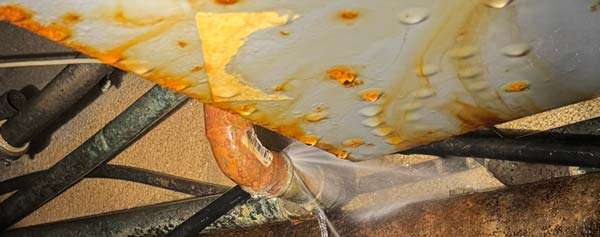
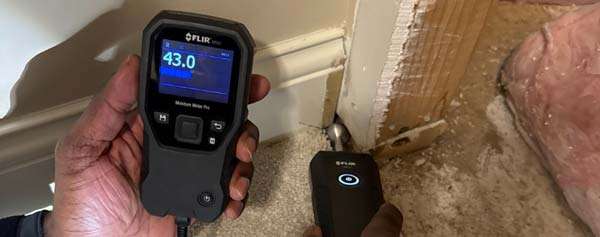
Some defects, such as water intrusion, roof deterioration, or failing mechanical systems, may not be obvious during a casual walkthrough but can be identified during a PCA.
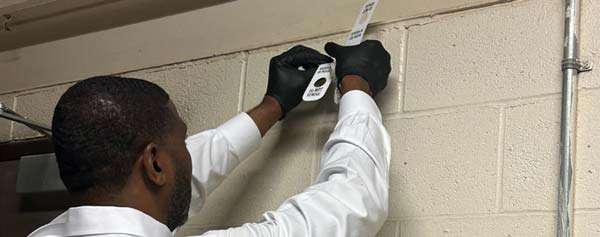
Knowing a property’s current condition allows buyers to negotiate repairs or price adjustments before finalizing the deal.
A PCA provides an objective assessment that helps reduce disputes over undisclosed issues, benefiting buyers and sellers.
Financial institutions often require a PCA before approving financing for a commercial real estate purchase.

A PCA typically examines the following elements:
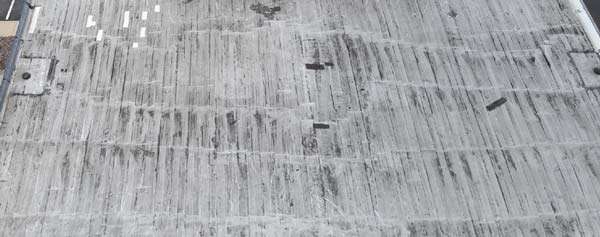
Building Structure (foundation, walls, roof, floors, etc.)

Mechanical Systems (HVAC, plumbing, electrical, elevators, etc.)

Exterior and Interior Conditions (windows, doors, ceilings, insulation, etc.)
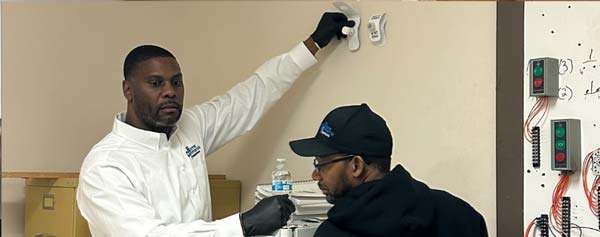
Life Safety Features (fire protection systems, exits,accessibility compliance, etc.)

Site Condition (parking lots, landscaping, drainage, etc.)


For buyers and investors in Columbus, Cleveland, Cincinnati, Dayton, and Toledo, Ohio, Home & Commercial Inspections offers professional Property Condition Assessments to help identify potential risks and ensure informed decision-making. Our experienced inspectors use state-of-the-art technology and industry expertise to assess the condition of commercial properties, providing clients with detailed reports that outline current issues and potential future concerns.
By working with Home & Commercial Inspections, buyers and property owners in Ohio can gain peace of mind, knowing they have a comprehensive understanding of their investment before finalizing a deal.

Detect maintenance problems before they escalate into costly repairs.
Use PCA findings to negotiate repairs or price reductions.
Ensure the property meets safety and operational standards.
Avoid unexpected expenses by understanding future repair and maintenance costs.

The commercial real estate market presents unique challenges because of limited disclosure requirements and complex property details. While sellers may not always provide extensive information, buyers can protect their interests by conducting thorough due diligence and obtaining a professional Property Condition Assessment (PCA).
With services offered in Columbus, Cleveland, Cincinnati, Dayton, and Toledo, Ohio, Home & Commercial Inspections helps commercial real estate buyers make well-informed decisions by providing reliable property assessments. Whether purchasing, leasing, or investing in a commercial property, a PCA is an invaluable tool that ensures transparency, reduces financial risks, and supports a sound investment strategy.
For more information on scheduling a PCA, call Home & Commercial Inspections today and take the first step toward a smarter commercial real estate investment.