


In the world of business acquisitions, due diligence is the foundation of a successful investment. Whether purchasing a manufacturing facility, office building, or retail space, buyers must thoroughly assess the property and its associated risks before finalizing the deal. One critical aspect of this process is commercial inspections, which help identify structural, environmental, and operational concerns that could affect the property’s value and long-term profitability. Without proper inspection, buyers risk acquiring hidden liabilities that may lead to unforeseen costs, legal complications, or even regulatory violations.
A key component guiding these inspections is the ASTM (American Society for Testing and Materials) standards, which provide a structured framework forevaluating commercial properties. These standards ensure consistency and thoroughness in inspections, helping buyers make informed decisions based onreliable assessments. From structural integrity to environmental hazards, ASTM standards set the benchmark for professional inspections in commercial realestate transactions.
However, conducting due diligence and inspections in business acquisitions also involves a significant level of confidentiality. Sellers and buyers often operateunder Non-Disclosure Agreements (NDAs) to prevent leaks of sensitive information that could disrupt ongoing operations. For example, if employees becomeaware of an impending sale too early, it may cause uncertainty, leading to decreased morale or even resignations. As a result, inspections must be conducteddiscreetly to protect the interests of all parties involved.


Property assessments that involve commercial inspection operations review system conditions together with structural examination and regulatory compliance checks. Commercial inspections evaluate structural integrity as well as environmental risks, along with safety regulations and operational efficiency, and not residential inspections that focus on functional living areas. A property’s purchasing decisions in business acquisitions demand commercial inspections to detect potential hidden problems and regulatory issues that lead to financial losses, lawsuits, or expensive post-purchase repairs.
Potential buyers rely on commercial inspections to manage risks by revealing important information regarding property conditions before purchasing decisions. A detailed examination allows the discovery of hidden issues, including electrical problems, HVAC performance issues, roof damage, and mold contamination. Buyers who detect these concerns before negotiation can request fair pricing and necessary repairs or decide to prevent the purchase.
Inspection professionals work under the established ASTM E2018 standard to ensure uniformity and credibility during these assessments. Building components require evaluation according to this standard, which also shows how to identify deferred maintenance while estimating required repair costs correctly. Adherence to ASTM guidelines enables inspectors to produce findings that are both thorough and grounded in facts for legal standing.

A business acquisition process requires vendors to conduct systematic examinations of everything about the company and its property before deal completion happens. This essential business period enables companies to find potential threats while validating business performance reports and checking that all regulations remain in full compliance. One critical part of due diligence is the commercial inspection, where experts evaluate the property condition thoroughly, including hidden risks and debts.
The main obstacle when performing due diligence requires leaders to practice high levels of confidentiality. Staff discovery of a pending sale before its proper timing might trigger workforce uncertainty and diminish productive results while leading to important personnel moving on. Due to the need for privacy, the inspection activities take place during unpublicized hours or are mimicked by regular maintenance checks.
The execution of sensitive information protection relies heavily on NDAs throughout this procedure. Buyers, alongside sellers, typically use NDAs to protect transaction secrets and inspection results from public discovery. NDAs enable the secure preservation of business value through competitive intelligence prevention as well as the discovery of traditional acquisition terms. Operational disruptions alongside damaged reputations and possible alterations to final purchase costs emerge when relevant information protection measures are absent.
Multiple essential evaluations need to take place to verify both structural strength and regulatory adherence, as well as the operational efficiency of the property. Neglecting these important factors will eventually lead to expenses and legal troubles or operational problems that appear after ownership acquisition.


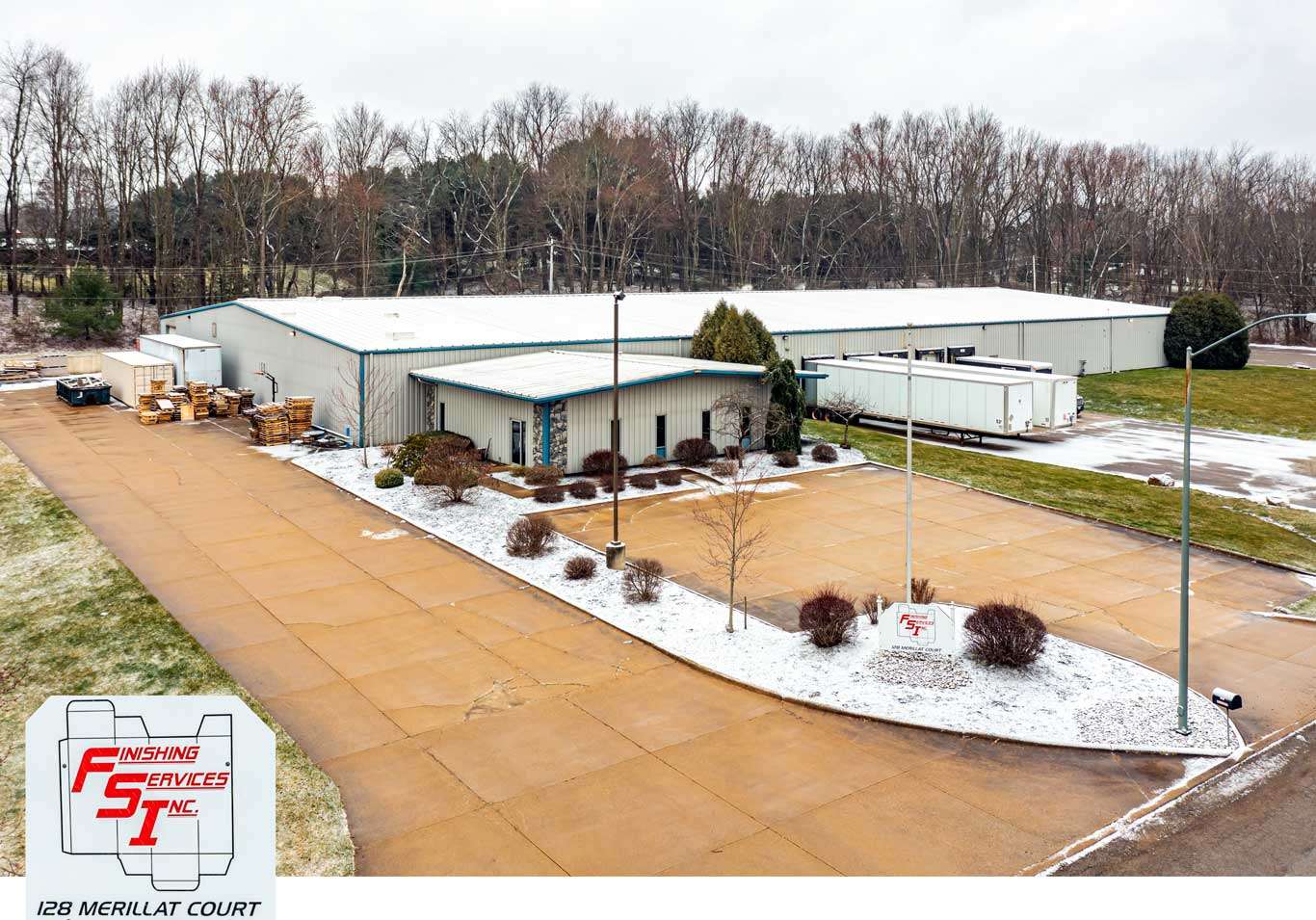

Commercial real estate inspection reveals property problems while enabling prospective buyers to determine foreseeable risks related to the property. Business acquisitions require investors to conduct vital risk assessments before finalizing deals because this process helps them make proper financial decisions and establishes methods to minimize possible liabilities.
Detailed risk analysis performed by buyers provides them with three main benefits:

When acquiring a commercial property, compliance with health, safety, and building codes is just as important as structural integrity and operational efficiency. Key regulatory areas that must be assessed during inspections include:

Real estate inspections for business acquisition serve as a vital defense mechanism to help investors discover property hazards regarding buildings and operational systems prior to acquisition. Prior to purchasing a business, buyers need a deep understanding of potential liabilities that could otherwise create unforeseen costs alongside legal troubles and business operation disturbances. When carried out according to ASTM standards, these assessments create an attestation system that checks property health and promotes safety standards and legal requirements to avoid future discovery of unknown issues.
A practical inspection and risk assessment method enables buyers to base their decisions on knowledge while securing improved terms and controlling future liabilities. Organizations that acquire commercial properties use inspections as essential tools to guarantee their long-term success because they evaluate safety hazards, environmental concerns, and infrastructure stability.

When purchasing a commercial property, it is essential to perform thorough inspections during your due diligence assessments. The protection of your financial interests can be achieved through these three steps: