Do I Need a Radon Test When Buying a Home in Ohio?
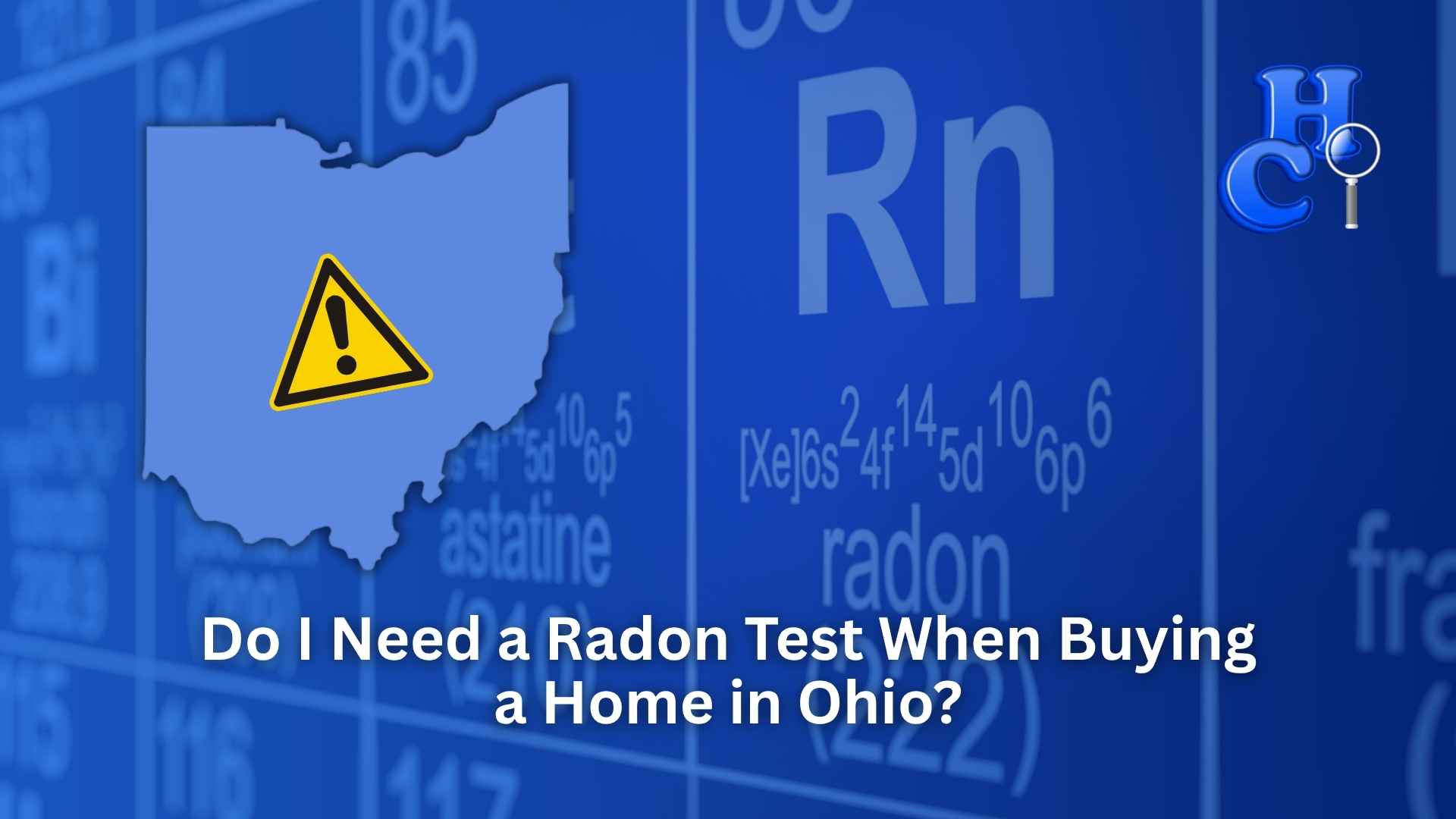
If you’re house-hunting in Columbus, Dayton, or Cleveland, Ohio, one of the smartest questions you can ask is: “Do I need a radon test?” The short answer is yes, especially if you buy in Ohio. Let’s walk through why radon matters here, what the radon inspection and testing process looks like, and how it plays into your home-buying decision.
Radon: The Hidden Risk Beneath Your Home
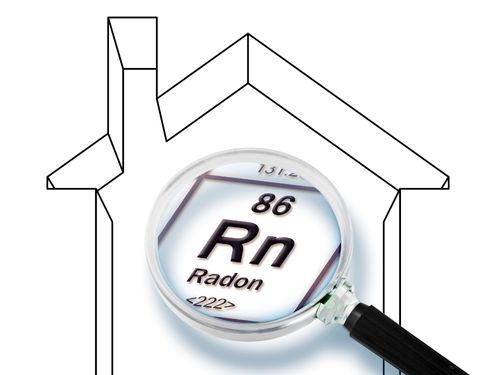
Radon is a naturally occurring, odorless, colorless radioactive gas that seeps into homes through cracks, gaps, or openings in the foundation. It comes from the breakdown of uranium in soil and rock. According to the Ohio Department of Health, testing is the only way to know how much radon is in your home.
Here in Ohio, many homes sit on soils and geology that make radon more likely. While Ohio doesn’t require radon testing as part of a home sale, the potential risk is high enough that many home inspectors recommend adding it to your due diligence.
The United States Environmental Protection Agency (EPA) recommends that any home with levels at or above 4 picocuries per liter (pCi/L) should be mitigated to lower those levels. In other words: you likely do need one.
When and How to Test During Your Home Buy
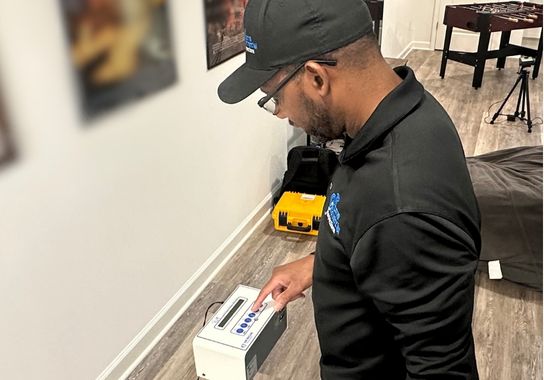
When you’re buying a home in Ohio, ask one of our Home & Commercial Inspections LLC specialists to include a radon test. Our licensed inspector will use active devices that continually monitor radon levels. These devices will be placed in the lowest level of the home that is used regularly.
At an absolute minimum, a radon-detecting device should be placed in the home for a full 48 hours—90 days is still considered a short-term test. A long-term test of over 90 days can confirm short-term test results and produce a report that includes seasonal variations.
Using your inspection contingency, you can request radon testing as part of the offer—especially in markets like Columbus, Dayton, or Cleveland where you may see homes built on older foundations. If the test comes back elevated (4 pCi/L or more), you can negotiate with the seller for mitigation, a price reduction, or even walk away, depending on your contract.
It’s worth noting: While some states require radon disclosure or testing, Ohio does not mandate that sellers test or mitigate for radon. That means it’s especially on the buyer to ask the right questions.
What Does a Radon Test Cost and What Happens if Levels Are High?
Professional radon tests in Ohio typically cost somewhere in the ballpark of $100 to $250, depending on home size and test method.
If your test comes back elevated (≥ 4 pCi/L), the good news is: radon is fixable. Mitigation systems (such as a sub-slab depressurization fan) can usually be installed in a day or so, with costs in Ohio often ranging around $800 to $2,400, depending on home size and complexity.
Just because a home is in Cleveland, Dayton, or Columbus doesn’t automatically mean high radon—but given Ohio’s geology and the fact that homes often sit on basements or older foundations, the “better safe than sorry” rule applies.
Why It Matters – Your Peace of Mind and Your Investment
Beyond the technical specs and price, here’s the heart of the matter: you’re buying more than a structure—you’re buying a safe place to live. A radon test isn’t just about a potential cost; it’s about protecting your health and investment. Long-term radon exposure is the leading cause of lung cancer among non-smokers in the U.S.
Including radon testing in your inspection process gives you bargaining power: If levels are high, you can push for mitigation or better pricing. If levels are low, you get peace of mind and one fewer surprise down the road. In fast-moving markets like Columbus or Dayton, that clarity helps you move confidently instead of scrambling later.
Final Takeaways
If you’re buying a home in Ohio—whether in Cincinnati, Columbus, Dayton, or Cleveland—the smart move is to ask for a radon test. The fact Ohio doesn’t force one doesn’t mean you shouldn’t. Given the risk and the relative ease of testing and mitigation, it’s a wise addition to your home-buying checklist.
At the end of the day: Do you need a radon test? Yes. It’s affordable, it provides serious safety value, and it empowers you as a buyer to make informed decisions. You might thank yourself later.