Do Condos and Townhomes Need Home Inspections in Columbus Ohio?
If you’re thinking about buying your first home in Ohio—maybe a condo in downtown Columbus, a townhome in Dublin, or a stylish community in Westerville—you’ve probably heard a bunch of advice: get pre-approved, find a great real estate agent, don’t skip the walkthrough.
But here’s a question that often gets overlooked:
Do condos and townhomes need home inspections in Ohio?
The short answer is yes—and here’s why. Even though condos and townhomes share walls and common areas, they still have individual systems and unique issues that matter to you as a buyer. Getting a professional home inspection can help you avoid surprises, understand what you’re really buying, and make a smarter investment.
Let’s break it down in plain language.
What Makes Condos and Townhomes Different?
Before we dive into inspections, it helps to know why these properties are unique.
Condos
In a condo, you own the interior of your unit—but not the building structure or exterior. The condo association is typically responsible for roofs, siding, and common areas.
Condos
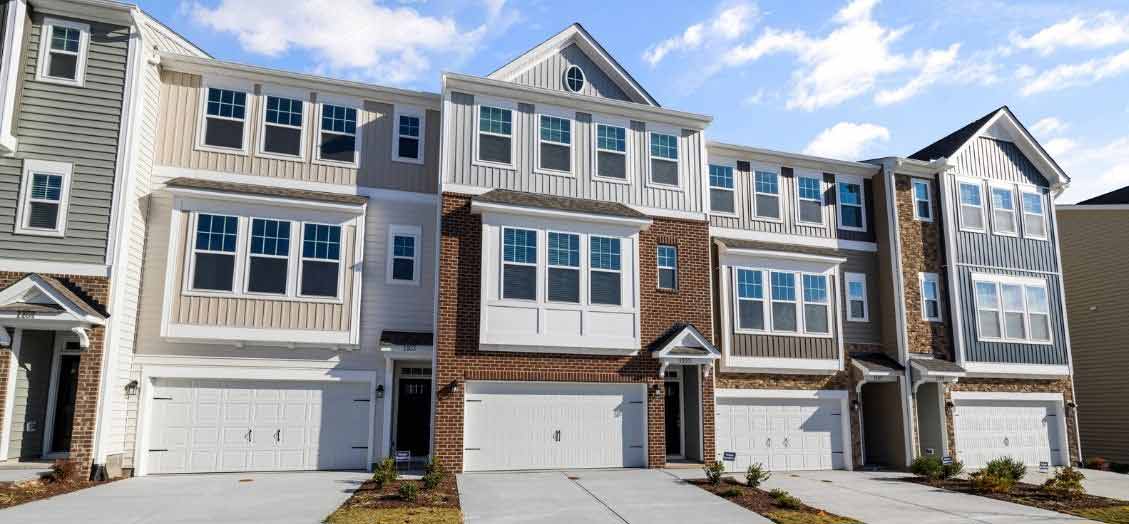
With a townhome, you usually own the interior and exterior of your unit’s structure. That means roofs, siding, and sometimes even the yard can be your responsibility—depending on how the association is set up.
Because ownership responsibilities vary, the types of inspections and what they cover can differ too.
Why Home Inspections Still Matter
Some first-time buyers think inspections aren’t necessary for condos or townhomes—especially when there’s an association involved.
These aren’t things an association fixes for you—and they can be expensive if you find them later.
2. Association Reports Don’t Replace Inspections
Condo associations often provide a Resale Certificate, sometimes called a HOA (Homeowners Association) disclosure packet. It might include meeting minutes, budget info, and reserve studies.
But this doesn’t replace a professional inspection. Those association reports tell you about the community—not the condition of your unit.
3. Shared Walls and Rooflines Still Impact You
In townhomes and condos, issues can spread between units. For example:
Water intrusion from poorly sealed siding
Roof leaks affecting multiple units
Foundation settlement affecting shared walls
A professional inspector can spot signs of these issues that aren’t obvious to an untrained eye.
What Should Be Inspected?
A home inspection for a condo or townhome in Ohio typically includes:
Structural Components
Even if the association maintains the exterior, your inspector looks for signs of:
With a HVAC inspection, your home inspector checks that heating and cooling equipment is working properly— important in Ohio’s hot summers and cold winters.
Appliances
Built-in appliances like dishwashers, stoves, and water heaters are evaluated for function and safety.
In Ohio, a home inspection should happen after your offer is accepted but before closing.
This gives you:
Time to negotiate repairs
The ability to walk away if there are serious problems
Peace of mind before committing
Working with an inspector who understands Ohio real estate—especially urban markets like Columbus, Dublin, and Westerville—is a big advantage. Local inspectors know the styles of construction and common issues in these neighborhoods.
Does the Association Inspection Matter?
Yes—but it serves a different purpose.
Association Documents Tell You About the Community
These can include:
Budget and reserve funds
Pending assessments
Rules and restrictions
They’re important—but they do not tell you about defects inside your unit.
A Home Inspection Tells You What You’re Personally Responsible For
The inspector focuses on:
Your space
Your systems
Your daily living environment
Together, both sets of information give you a complete picture of your potential investment.
What First-Time Buyers in Ohio Should Know
Here’s a quick checklist for first-time condo or townhome buyers:
Always get a professional home inspection
Even if the association inspections look clean.
Understand what you’re buying
Know which systems are your responsibility.
Factor inspection results into your offer
Repairs or maintenance needs can affect price and negotiations.
Choose an inspector familiar with Ohio buildings
Local knowledge matters—especially with Ohio’s weather and construction styles.
Bottom Line: Yes—Inspections Are Worth It
Buying your first condo or townhome in Columbus, Dublin, or Westerville is exciting—and a home inspection helps protect that excitement from unexpected problems. Many first-time buyers start their journey by researching neighborhoods, pricing, and property trends on platforms like Redfin’s home buying resources: A Complete Condo Inspection Guide for Buyers | Redfin, but understanding a home’s true condition requires a professional inspection.
At HC Inspectors, we specialize in helping Ohio buyers understand exactly what they’re getting into, with clear, practical reports and personal guidance through every step of the process. Our goal is to give you confidence, clarity, and leverage before you finalize one of the biggest financial decisions of your life.
Don’t skip the inspection—it’s one of the smartest moves you can make as a first-time buyer, helping you avoid costly surprises and negotiate from a position of knowledge.