How Old Homes in Columbus, Dayton, and
Cincinnati Present Unique Inspection Challenges
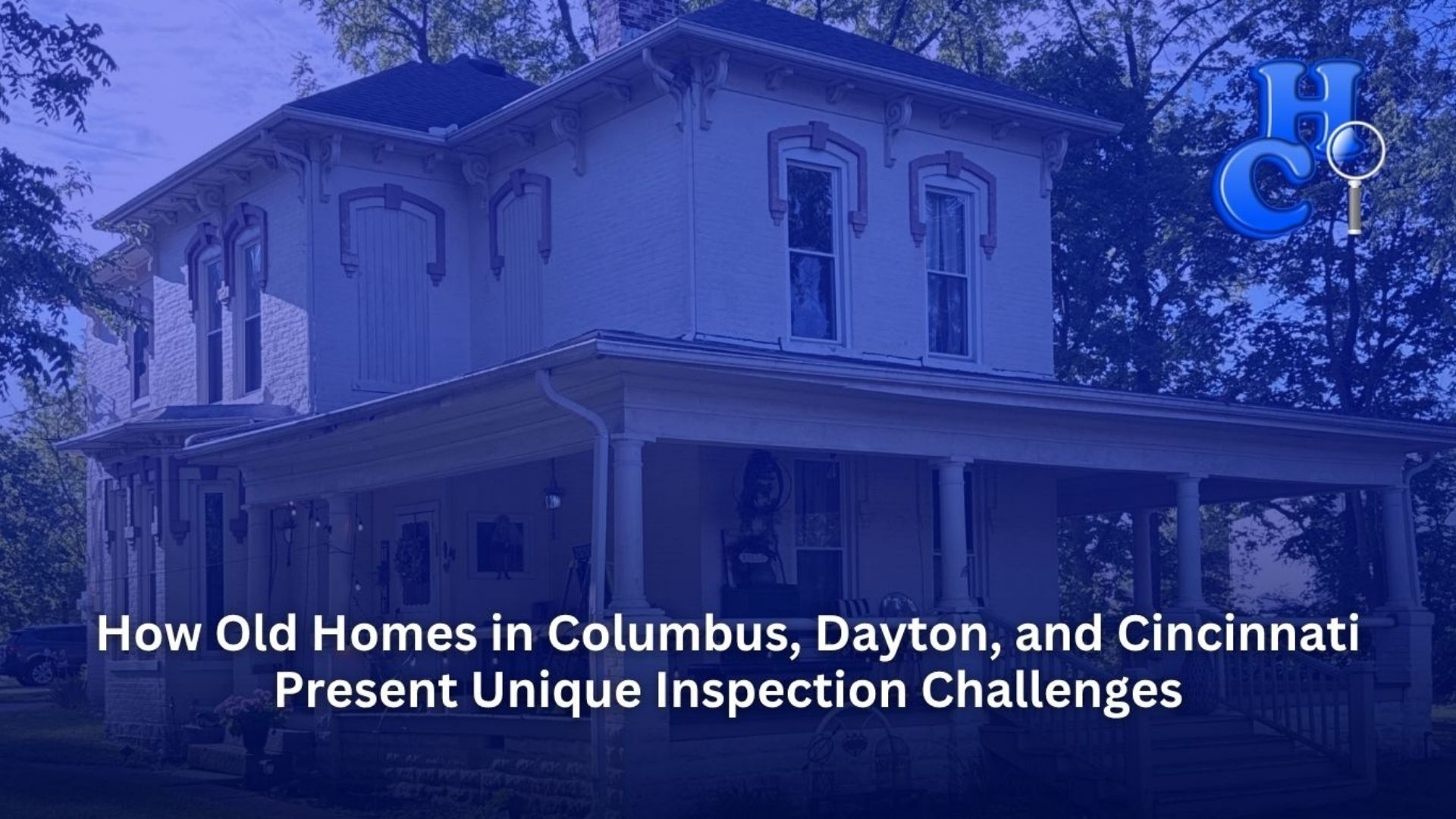
There’s something special about an older home. Maybe it’s the craftsmanship, the character, or the feeling that you’re stepping into a piece of history. Across cities like Columbus, Dayton, and Cincinnati, older homes are everywhere—and they’re often some of the most desirable properties on the market.
But behind that charm, there’s a reality every buyer and homeowner should understand: older homes come with their own unique set of inspection challenges.
At Home & Commercial Inspections, we see it every day. And the truth is, what looks solid on the surface can sometimes hide issues that only a trained eye will catch.
Let’s walk through the big ones.
Roofs: Decades of Wear You Can’t Always See
In the Midwest, roofs take a beating. Between snow, ice, heavy rain, and temperature swings, even a well-built roof doesn’t last forever.
Older homes often have:
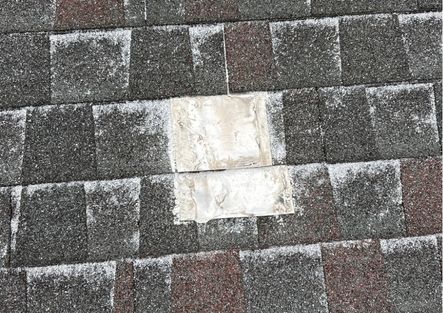
Aging shingles that are brittle or curling
Worn flashing around chimneys and vents
Hidden water damage beneath the surface
Freeze-thaw cycles are especially tough on roofing materials, causing cracks and allowing moisture to sneak in over time.
From the ground, everything might look fine. But during an inspection, it’s common to find early signs of leaks or structural wear that homeowners didn’t even know existed.
Basements: The Midwest’s Most Common Trouble Spot
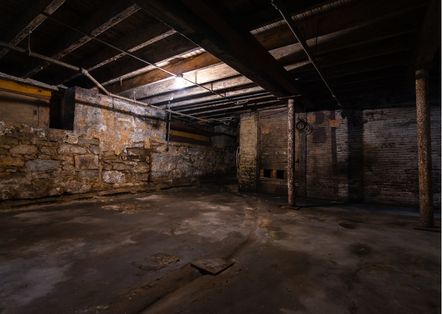
If there’s one area where older homes in Ohio tend to show their age, it’s the basement.
Many homes in Columbus, Dayton, and Cincinnati were built with full basements—but they weren’t always designed with modern waterproofing systems. Over time, that becomes a problem.
Common issues include:
Moisture intrusion or damp walls
Foundation cracks from soil movement
Outdated drainage systems
Ohio’s clay-heavy soil expands when wet and contracts when dry, putting constant pressure on foundation walls. Add in freezing winters, and small cracks can quickly turn into bigger concerns.
Many foundation issues trace back to drainage, grading, or groundwater problems—things most homeowners don’t notice until damage has already started.
Electrical Systems: Built for a Different Era
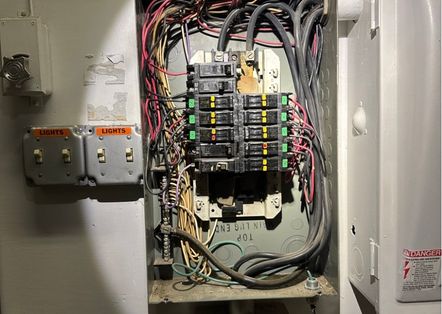
One of the biggest red flags in older homes is outdated wiring.
Homes built before the 1970s often still have:
Knob-and-tube wiring
Aluminum wiring
Undersized electrical panels
These systems weren’t designed for today’s electrical demands. Think about it—when these homes were built, there were no large-screen TVs, home offices, or multiple kitchen appliances running at once.
Today, that mismatch can lead to:
Overloaded circuits
Frequent breaker trips
Increased fire risk
Even if everything “works,” it doesn’t mean it’s safe—or up to current standards.
Insulation and Energy Efficiency: The Hidden Cost
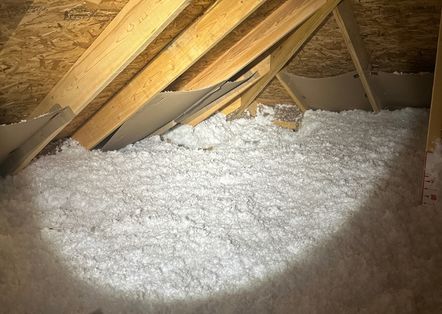
Older homes weren’t built with energy efficiency in mind. That means insulation is often:
Minimal
Settled or deteriorated
Completely missing in some areas
As a result, homeowners may notice:
Drafty rooms
Higher heating and cooling bills
Uneven temperatures throughout the house
Attics are a big one. Poor ventilation and insulation can even contribute to roof problems like ice dams, which can cause water damage over time.
Plumbing and Sewer Lines: Aging from the Inside Out
Another common issue in older Midwest homes is plumbing.
Many properties still have:
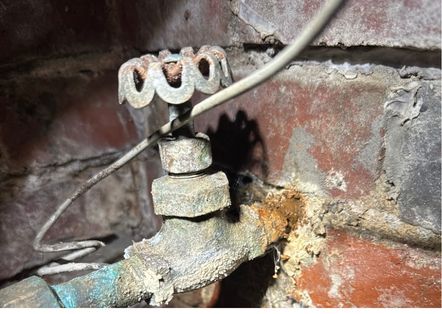
Galvanized steel pipes
Aging sewer lines made of clay or other outdated materials
These systems corrode from the inside, which means problems often go unnoticed until they become serious—like low water pressure, leaks, or even full pipe failure.
Why Local Experience Matters
Here’s the thing: not all inspections are created equal.
Homes in Columbus, Dayton, and Cincinnati face very specific regional challenges—especially when it comes to weather, soil conditions, and older construction methods. That’s why working with a local expert matters.
A professional inspection from Home & Commercial Inspections doesn’t just check boxes. It helps you understand:
What’s typical for a home of that age
What’s a minor fix vs. a major issue
What could turn into a costly problem down the road
As their team notes, many serious issues—like hidden water damage or structural concerns—aren’t visible during a simple walkthrough.
The Bottom Line
Older homes offer character you simply can’t build today. But they also require a deeper level of understanding—and a more thorough inspection.
Roofs, basements, wiring, insulation—these aren’t just checkboxes. They’re the systems that determine whether your dream home stays a dream… or turns into a surprise expense.
The good news? With the right inspection, there are no surprises—just informed decisions.
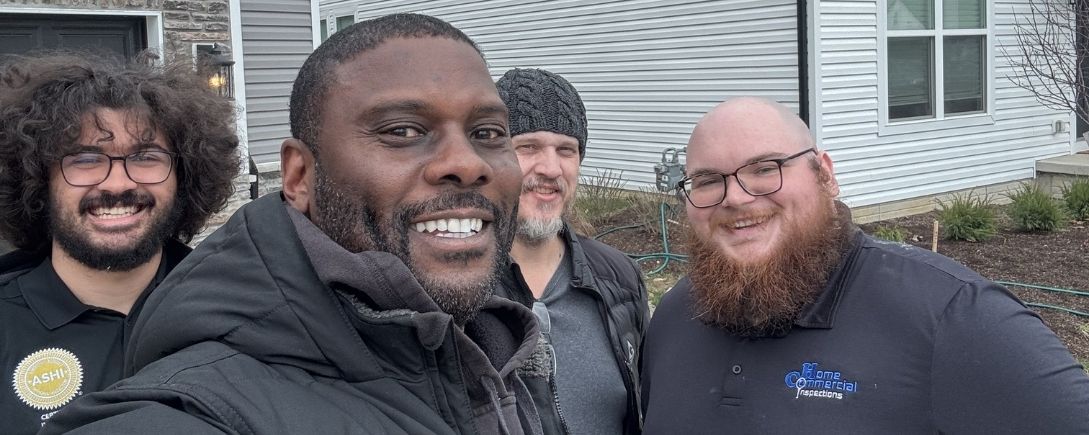
James Jones has nearly 30 years of experience performing home and commercial property inspections. He specializes in environmental testing, thermal imaging, drone inspections, and building performance assessments. As a member of the Board of Directors for the American Society of Home Inspectors (ASHI), he is committed to helping homebuyers, homeowners, businesses, and investors make informed property decisions through thorough inspections and clear, actionable reporting.