After nearly three decades in construction and thousands of home inspections throughout Columbus and Central Ohio, I’ve found that roof problems are among the most common defects identified during a home inspection. The most common roof defects include missing or damaged shingles, improper flashing, deteriorated pipe boots, nail pops, roof ventilation deficiencies, granule loss, aging sealants, improper roof repairs, and chimney flashing issues. Identifying these defects early can help prevent roof leaks, moisture intrusion, and costly repairs.
When most people think about roof damage, they picture missing shingles after a severe storm or a tree falling through the house. While those situations certainly happen, they aren’t what we see every week.
The roof defects we encounter most often are much less dramatic. They’re usually the result of normal aging, deferred maintenance, or installation issues that gradually allow moisture to enter the home.
One of the biggest mistakes homeowners make is assuming that if water isn’t dripping from the ceiling, the roof must be fine. Unfortunately, by the time a leak becomes visible inside the home, moisture may have already damaged roof decking, attic insulation, framing, or drywall.
That’s why I encourage buyers and homeowners to think of the roof as an entire system rather than just a layer of shingles. During every inspection, I’m evaluating roofing materials, flashing, ventilation, drainage, and other components that all work together to protect the home.
In this guide, I’ll explain the most common roof defects we consistently find throughout Columbus and the surrounding communities, why they matter, and how identifying them early can help protect your home and reduce the risk of costly repairs.
The most common roof issue we encounter is also one of the easiest to overlook from the ground.
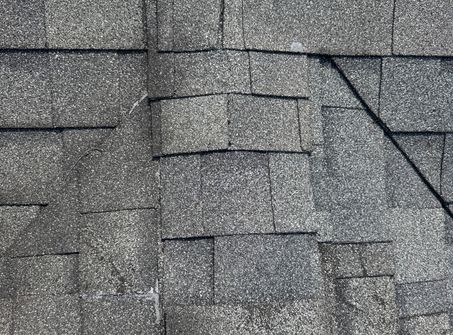
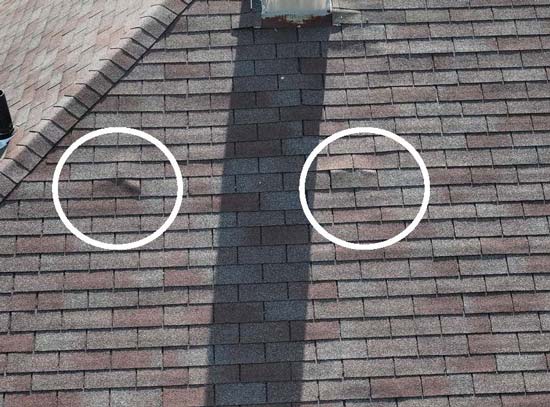
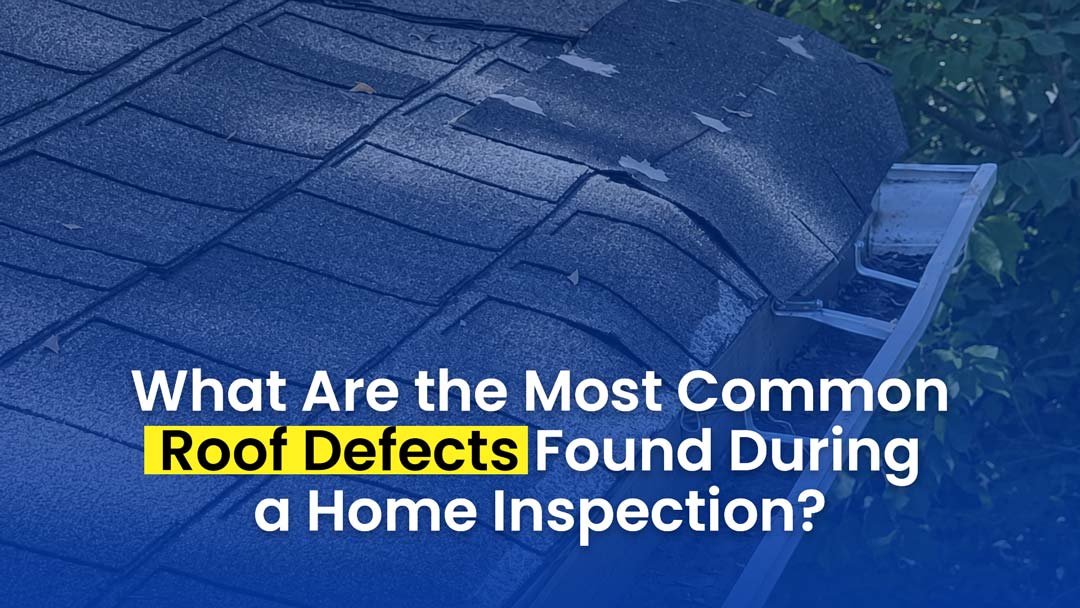
Missing, cracked, curled, or damaged shingles expose the roofing system to rain, snow, and wind. Even if only a few shingles are affected, they create openings where water can begin working its way beneath the roof covering.
Ohio weather isn’t easy on roofing materials. Strong winds, hail, summer heat, freezing winters, and constant expansion and contraction all shorten the life of asphalt shingles over time.
I’ve inspected homes where a buyer had no idea shingles were missing because the roof looked perfectly acceptable from the driveway.
Finding these problems early often allows homeowners to make relatively minor repairs before moisture reaches the roof decking or attic.
If I had to identify one of the most common causes of roof leaks, improper flashing installation would be near the top of the list.
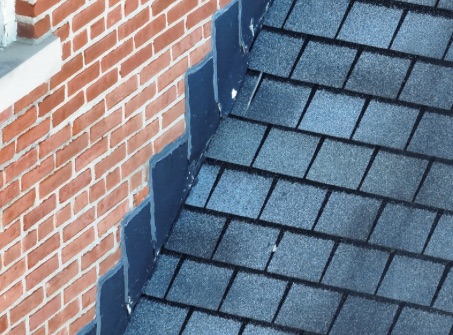
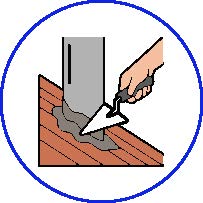
Flashing is designed to seal areas where the roof meets chimneys, walls, skylights, and roof valleys. These transition points naturally handle more water than other parts of the roof.
When flashing is missing, damaged, improperly installed, or simply reaching the end of its service life, water can enter areas that remain hidden for months or even years.
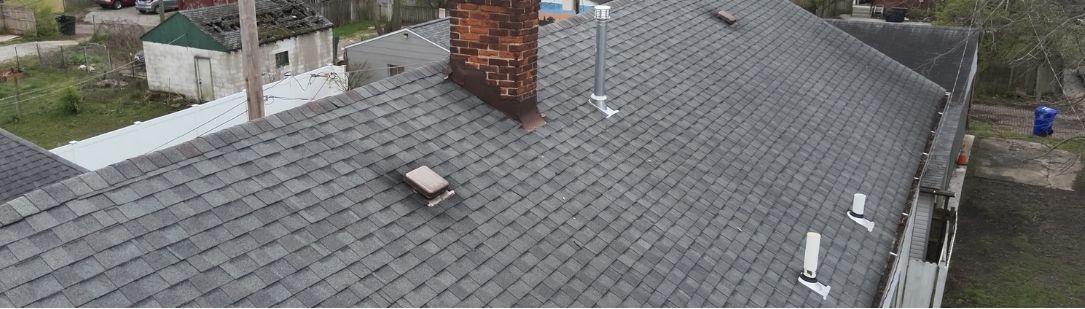
During inspections, I pay close attention to flashing around chimneys and roof penetrations because these areas frequently show signs of deterioration before the rest of the roof.
Many expensive roof repairs begin with a relatively small flashing problem that could have been corrected much earlier.
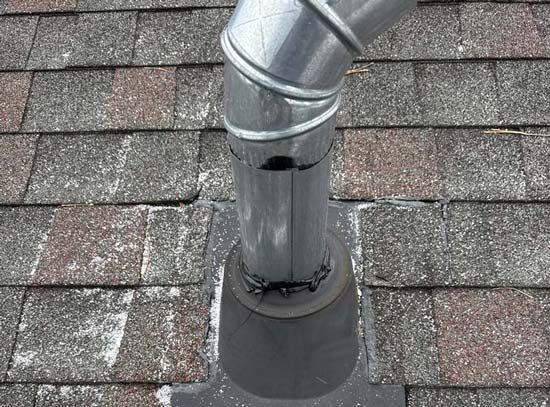
Every plumbing vent that passes through a roof requires a watertight seal.
That seal is commonly called a pipe boot.
Because pipe boots are constantly exposed to sunlight, temperature changes, rain, and snow, the rubber material gradually dries out and begins cracking.
This is one of the maintenance items we find on a regular basis during roof inspections.
Homeowners are often surprised to learn that the shingles themselves may still have years of life remaining while a deteriorated pipe boot is already allowing water into the attic.
Replacing a pipe boot is usually much less expensive than repairing water damage caused by ignoring it.
Roofs naturally expand and contract throughout the year as temperatures change.
Over time, roofing nails may slowly work their way upward, creating what inspectors commonly call nail pops.
Once a nail begins lifting, it can push against the shingle above it or create a small opening where moisture may eventually enter.
Exposed fasteners present a similar concern.
Fasteners that were never properly sealed—or sealants that have deteriorated over time—allow rainwater to follow the nail into the roofing system.
Individually, these defects may seem minor.
Collectively, they can significantly increase the likelihood of long-term moisture intrusion.
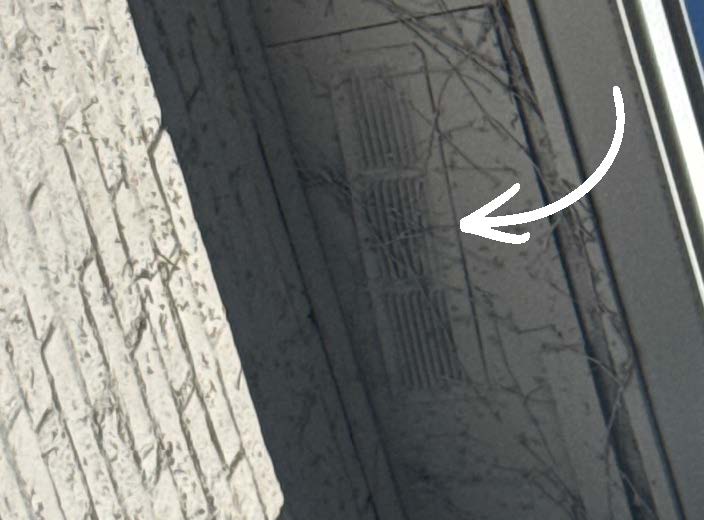
Many homeowners never think about attic ventilation until they’re replacing a roof.
However, proper ventilation plays a major role in protecting roofing materials.
Without adequate airflow, excessive heat and moisture become trapped inside the attic.
During summer, attic temperatures can become extremely high.
During winter, trapped moisture may contribute to condensation and reduce the life of roofing materials.
During inspections, I evaluate attic ventilation as part of the overall roofing system because roofing performance depends on much more than shingles alone.
Good ventilation helps extend roof life while also improving energy efficiency throughout the home.
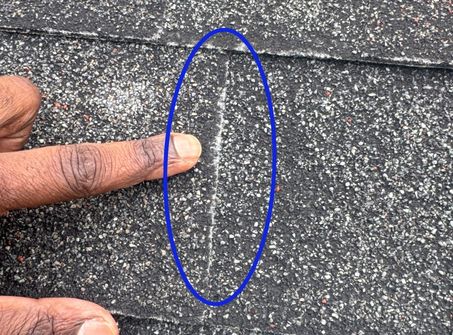
Another condition we frequently observe during roof inspections is granule loss.
As asphalt shingles age, the protective granules on their surface gradually begin to wear away. Those granules serve an important purpose by protecting the shingle from ultraviolet (UV) exposure and helping it withstand years of changing weather conditions.
Some granule loss is expected as a roof gets older, but excessive loss is a different story. When I begin seeing large areas where the asphalt mat is exposed or I find an unusual amount of granules collecting in gutters and downspouts, it’s usually a sign the roofing material is reaching the end of its service life.
Granule loss doesn’t necessarily mean the roof needs immediate replacement, but it does tell me the roof deserves a closer evaluation. Understanding how much life may be left in a roof helps buyers prepare for future maintenance instead of being caught off guard a year or two after moving in.
One of the smallest roofing components often creates some of the biggest headaches.
Sealants are used around flashing, roof penetrations, vents, and other areas where water could enter the home. Like every exterior building material, sealants don’t last forever.
After years of exposure to Ohio’s sun, rain, snow, freezing temperatures, and seasonal expansion and contraction, they eventually become dry, brittle, and begin to crack.
I’ve inspected many roofs where the shingles were still performing reasonably well, but deteriorated sealants had already created pathways for water intrusion.
Fortunately, replacing aging sealants is usually a straightforward maintenance item. Waiting until water begins leaking into the attic is what turns a simple repair into a much more expensive project.
One thing experience teaches you is that not every repair actually fixes the problem.
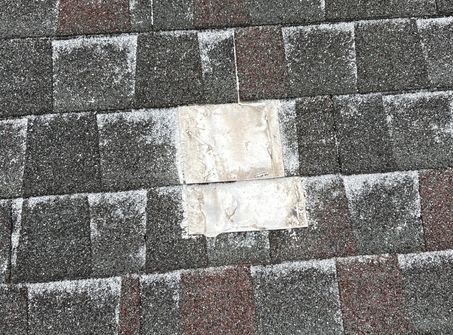
Over the years, I’ve seen roofing cement applied where flashing should have been replaced, mismatched shingles installed over damaged materials, and temporary patches left in place for years.
Sometimes homeowners are simply trying to stop a leak as quickly as possible. Unfortunately, temporary repairs often hide the source of the problem instead of correcting it.
During an inspection, I’m not only looking for current roof defects—I’m also looking for evidence that previous repairs may deserve a closer look.
A properly repaired roof should direct water away from the home. If the underlying problem remains, moisture usually finds its way back inside sooner or later.
Chimneys are one of the most common locations for roof leaks.
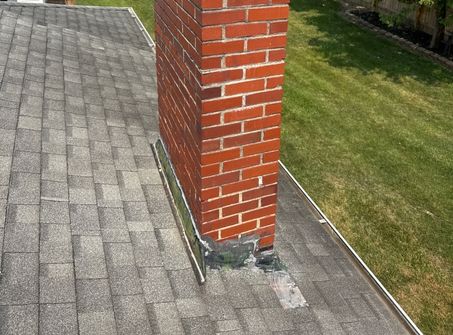
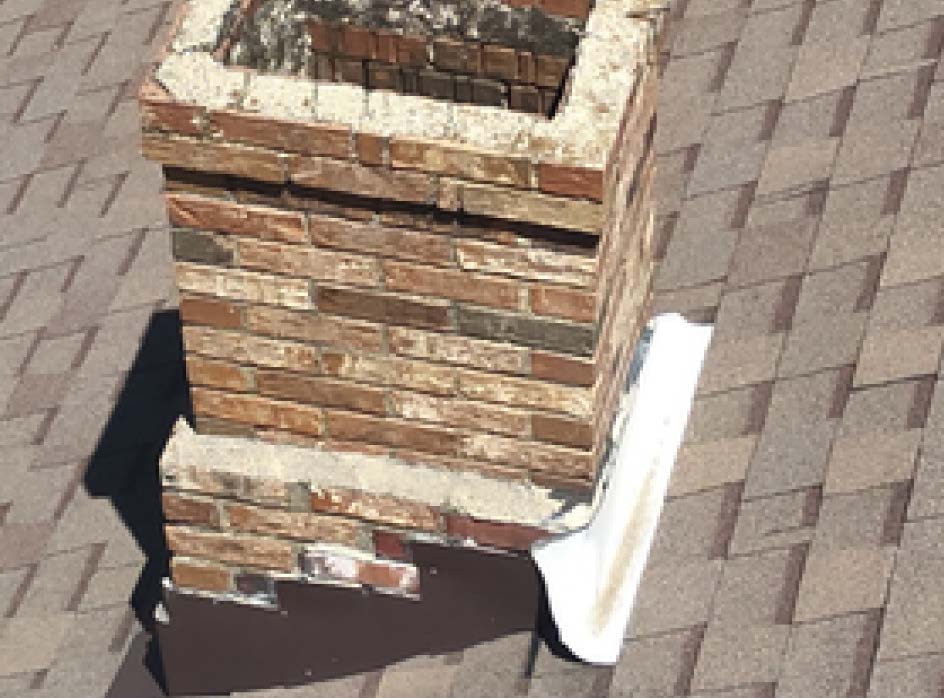
Every chimney creates multiple transition points where roofing materials meet brick, stone, or siding. Those areas depend on properly installed flashing to keep water out.
Throughout Columbus and surrounding communities, I regularly find loose flashing, deteriorated sealants, rusted metal, and previous repairs that have simply reached the end of their useful life.
In many cases, the leak isn’t directly above the ceiling stain the homeowner notices. Water can travel along framing before finally appearing inside the home, making the source difficult to identify without a thorough inspection.
Whenever I inspect a roof, chimney flashing is one of the first areas I evaluate because small defects there often become expensive moisture problems if they’re ignored.
One of the biggest lessons I’ve learned after thousands of inspections is that roofs rarely fail all at once.
Most expensive roof repairs begin with relatively small maintenance issues.
A cracked pipe boot
A lifted shingle
Loose flashing
A few exposed fasteners
Individually, none of those defects may seem serious. But once moisture enters the roofing system, it doesn’t stop at the shingles.
I’ve seen minor roof leaks damage roof decking, attic insulation, drywall, ceiling finishes, and even structural framing. By the time homeowners notice water stains inside the living space, the leak has often existed much longer than they realized.
That’s why I always encourage homeowners to address roofing concerns while they’re still small. Preventive maintenance is almost always less expensive than replacing major portions of a roofing system.
Although every home is different, the roof defects we identify tend to be remarkably consistent across Central Ohio.
Whether I’m inspecting an older home in one of Columbus’ established neighborhoods or a newer property in the surrounding communities, the same maintenance concerns appear again and again.
Weather, age, and routine wear affect every roof differently, but the patterns remain familiar. Missing shingles, deteriorated flashing, worn pipe boots, ventilation deficiencies, aging sealants, and previous repairs are among the issues we document most often.
Every inspection provides an opportunity to identify these conditions before they lead to larger structural or moisture-related problems.
After nearly three decades in construction and thousands of inspections throughout Columbus and Central Ohio, I’ve learned that roof problems are usually predictable.
They don’t develop overnight, and they rarely begin as major failures.
Instead, they start with small defects that are easy to overlook but become increasingly expensive when routine maintenance is delayed.
That’s why I encourage buyers and homeowners not to judge a roof simply by how it looks from the driveway. A roof should be evaluated as a complete system, including its shingles, flashing, roof penetrations, ventilation, drainage, and overall condition.
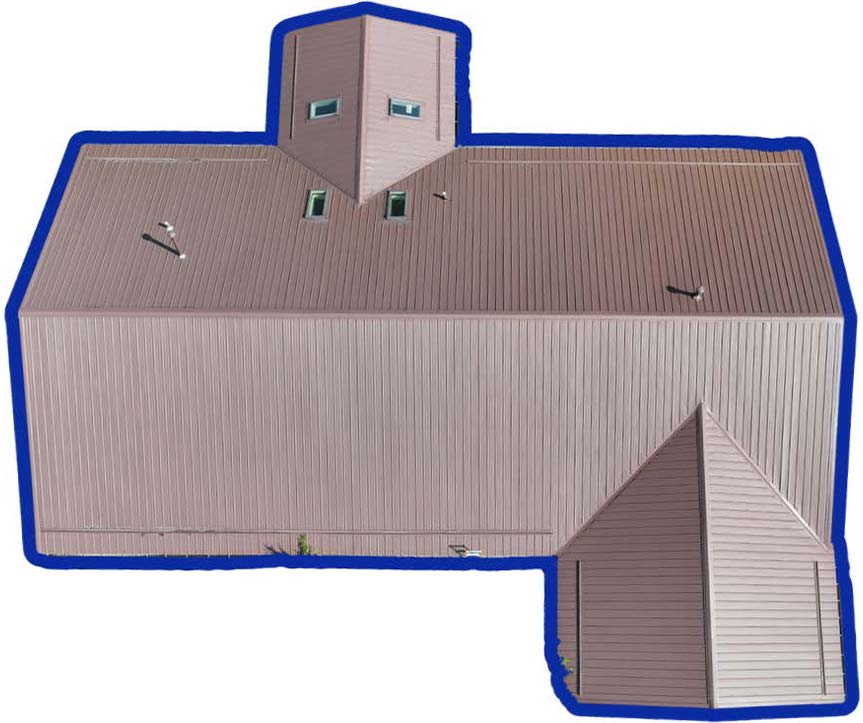
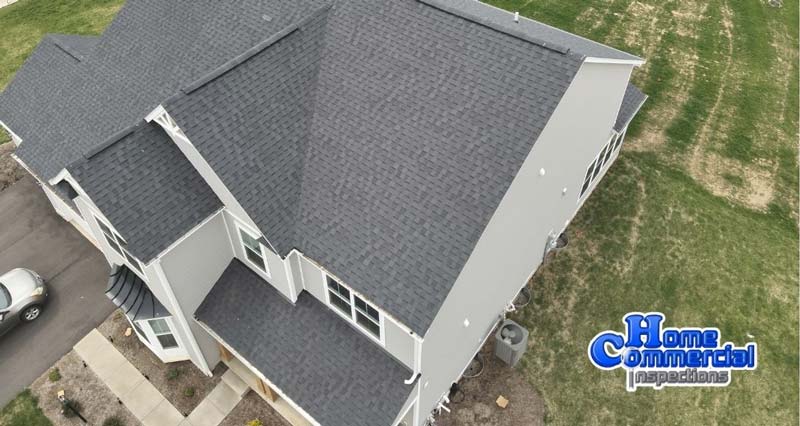
At Home & Commercial Inspections, we use our experience, along with tools such as drones when appropriate, to safely evaluate roofing systems and identify conditions that may not be visible from the ground. Our goal isn’t to alarm homeowners—it’s to provide the information they need to make informed decisions and protect one of their largest investments.
A roof is designed to protect everything beneath it. Giving it the attention it deserves today can help prevent much larger repairs tomorrow.
The most common roof defects found during a home inspection include missing or damaged shingles, improper flashing, deteriorated pipe boots, nail pops, poor attic ventilation, granule loss, aging sealants, improper roof repairs, and chimney flashing issues. Identifying these defects early can help prevent roof leaks, moisture intrusion, and costly repairs.
Yes. A roof may appear to be in good condition from the ground while still having hidden defects. Professional home inspections often identify damaged flashing, deteriorated pipe boots, exposed fasteners, ventilation problems, or aging roofing materials that aren’t easily visible without a closer evaluation.
Many roof leaks are caused by improper flashing, damaged shingles, deteriorated pipe boots, aging sealants, or exposed fasteners. Even small roofing defects can allow water to enter the home if they’re not repaired promptly.
Yes. A standard home inspection typically includes a visual evaluation of the roof and its accessible components. Inspectors look for common roof defects, signs of damage, visible leaks, flashing issues, ventilation concerns, and other conditions that may affect the roof’s performance.
Not necessarily. Some granule loss is a normal part of the aging process for asphalt shingles. However, excessive granule loss may indicate the roof is nearing the end of its service life and should be evaluated by a qualified home inspector or roofing professional.
Most homeowners should have their roof inspected every few years and after major storms involving high winds or hail. Regular roof inspections can identify common roof defects early, helping homeowners address minor issues before they become major repairs.

Not necessarily. Many roof defects can be repaired or negotiated with the seller before closing. A professional home inspection helps buyers understand the condition of the roof so they can make informed decisions and plan for future maintenance or repairs.

Licensed Certified Master Inspector
James Jones has nearly 30 years of experience performing home and commercial property inspections. He specializes in environmental testing, thermal imaging, drone inspections, and building performance assessments. As a member of the Board of Directors for the American Society of Home Inspectors (ASHI), he is committed to helping homebuyers, homeowners, businesses, and investors make informed property decisions through thorough inspections and clear, actionable reporting.