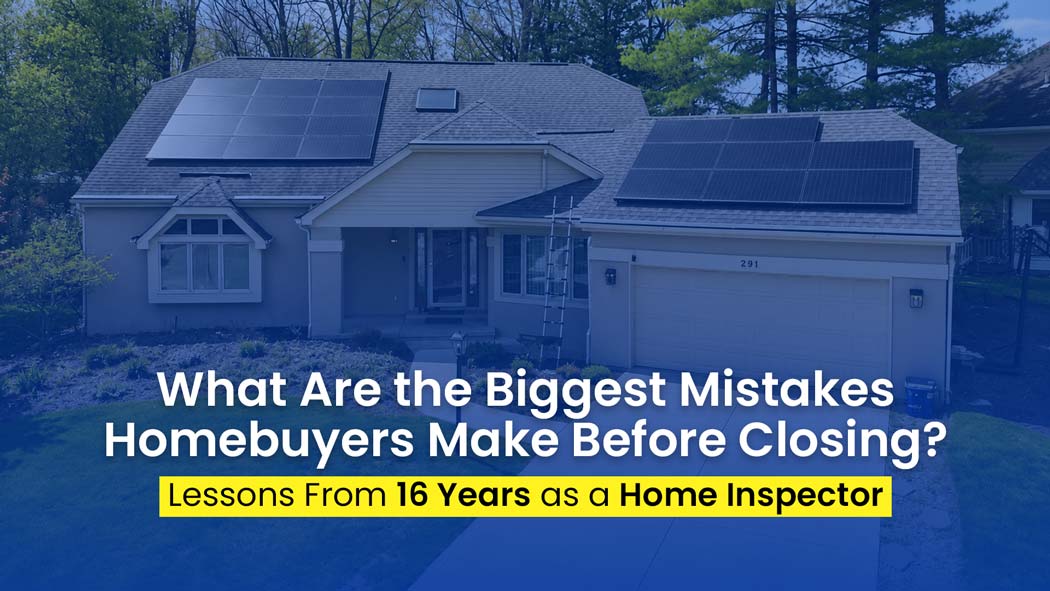
What Are the Biggest Mistakes Homebuyers Make Before Closing? Lessons From 16 Years as a Home Inspector
Buying a home is one of the largest financial investments most people will ever make. The biggest mistakes homebuyers make before closing include skipping the home inspection, overlooking homeowners insurance requirements, waiving important due diligence, and failing to fully understand the property’s condition before signing the closing documents. Yet after performing thousands of home inspections over the past 16 years, I’ve noticed something surprising.
Many of the biggest and most expensive mistakes buyers make have nothing to do with negotiating the purchase price.
Instead, they’re the decisions made during the inspection, insurance, financing, and due diligence process that come back to haunt homeowners months—or even years—after closing.
I’ve watched buyers lose insurance coverage, inherit expensive repairs, become involved in lawsuits, discover hidden environmental hazards, and spend tens of thousands of dollars on problems that could have been identified before they signed the closing documents.
Here are some of the biggest mistakes I’ve seen over the past 16 years—and how you can avoid them before closing on your next home.
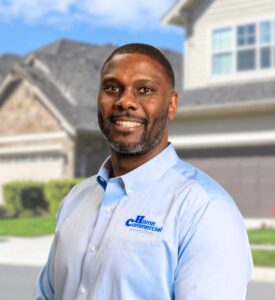
James Jones
Master Residential and Commercial Inspector
Here are some of the biggest mistakes I’ve seen over the past 16 years—and how you can avoid them before closing on your next home.
1. Not Asking the Right Questions About Homeowners Insurance
Many buyers assume that if an insurance company issues a policy, they’re fully protected.
Unfortunately, that’s not always true.
Insurance companies have become much more selective about the homes they insure, especially older properties.
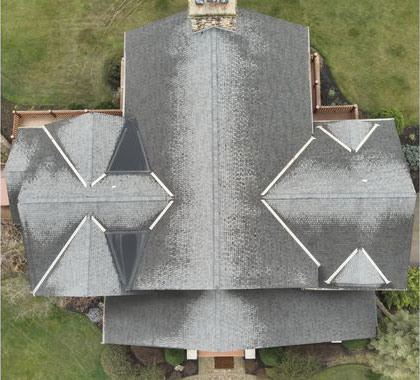
Roof Age Matters
One of the biggest surprises for buyers involves the roof.
A quality asphalt shingle roof may still have years of useful service life, but many insurance companies don’t look only at remaining life—they look at risk. We’ve seen situations where:
A roof still has several years of service life.
The home inspector says replacement isn’t immediately necessary.
The insurance company refuses coverage because the roof exceeds their underwriting guidelines.
Some insurers begin limiting coverage or requiring replacement once a roof reaches approximately 12 to 15 years of age, even though manufacturers may rate the roofing material for 20 years or more.
I’ve personally seen buyers reach the closing table only to discover they couldn’t obtain acceptable homeowners insurance because they never asked these questions in advance.
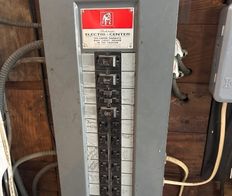
Older Electrical Systems
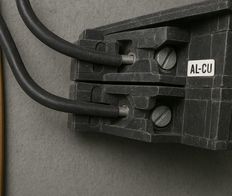
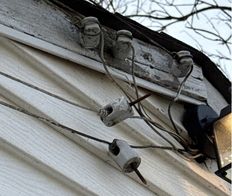
Insurance companies also scrutinize older electrical systems.
Examples include:
Knob-and-tube wiring
Certain obsolete electrical panels
Aluminum branch wiring
Other outdated electrical components
These systems don’t automatically make a home unsafe, but they can affect your ability to obtain insurance or increase your premiums.
Never assume a home will be insurable simply because it’s for sale.
Contact your insurance agent early and discuss the home’s age, roof, electrical system, plumbing, HVAC equipment, and any other significant features before closing.
Many homeowners believe that once they have insurance, every claim will automatically be covered.
Unfortunately, that isn’t always the case.
I’ve seen situations where a homeowner delayed repairing a known safety issue. Later, someone was injured on the property.
When the claim was submitted, the insurance company reviewed photographs, inspection reports, and underwriting documentation from when the policy was issued. Because the unsafe condition was known and never corrected, the claim became much more complicated, leaving the homeowner facing significant legal and financial exposure.
Insurance is designed to protect against unexpected losses—not necessarily known hazards that were never addressed.
When your home inspector recommends repairing a safety issue, don’t postpone it.
3. Skipping Title Insurance or Property Boundary Research
Title issues don’t happen often—but when they do, they can become extremely expensive. I’ve seen buyers discover problems involving:
Boundary disputes
Encroachments
Easements
Fence locations
Unpaid liens
Outstanding utility bills
Ownership questions
Title insurance helps protect your ownership rights if problems surface after closing.
Likewise, if property boundaries appear questionable, discuss whether a survey is appropriate before completing the purchase.
4. Waiving the Home Inspection
This one should come as no surprise.
The biggest financial disasters I’ve seen often begin with one sentence:
“We decided to skip the home inspection.”
Many buyers waive inspections to make their offer more competitive.
Unfortunately, they sometimes discover serious problems only after moving in.
I’ve received calls from homeowners asking me to inspect a house they already own because they’re trying to prove the seller failed to disclose a hidden defect.
Examples include:
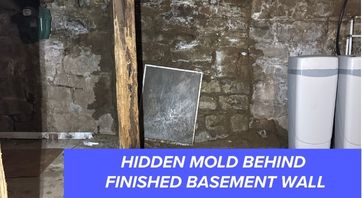
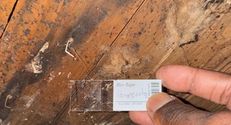
Hidden mold behind finished basement walls
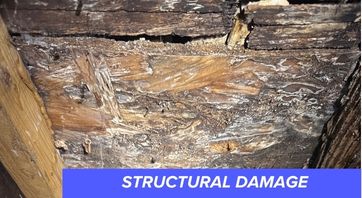
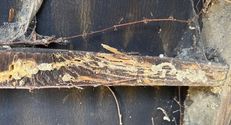
Structural damage concealed by renovations
Major plumbing leaks
Moisture intrusion
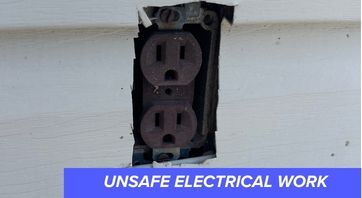
Unsafe electrical work
By that point, the buyer is often considering legal action.
The problem?
Without a pre-purchase inspection documenting the home’s condition before closing, proving what the seller knew can become extremely difficult.
A home inspection is one of the least expensive investments you’ll make during the buying process.
5. Buying Without Professional Representation
I’ve seen private sales where buyers and sellers knew each other and decided not to use a real estate professional.
Sometimes everything works out.
Other times, repair requests, documentation, deadlines, negotiations, and contract language become confusing because neither party fully understands the process.
I’ve also seen buyers purchase new construction directly from a builder without independent representation.
Remember:
The builder has professionals representing the builder.
You should also have professionals representing your interests.
6. Not Reading the Home Warranty Contract
Home warranties can provide value—but they’re not all the same. Many buyers assume the warranty covers everything.
It doesn’t. Read the contract carefully. Look for:
Coverage exclusions
Depreciation clauses
Maximum payouts
Service limitations
Waiting periods
Existing condition exclusions
Know exactly what you’re purchasing before relying on it.
7. Not Understanding Older HVAC Equipment
This is one of the most misunderstood areas I encounter.
Older heating and cooling systems often continue operating reliably for years.
However, refrigerant regulations have changed significantly over time.
Older systems may use refrigerants that are no longer manufactured or are being phased out, making repairs more expensive or affecting the availability of replacement refrigerant.
In some cases, homeowners are told an entire HVAC system must be replaced when the actual problem may be a relatively minor repair.
That’s why it’s important to:
Understand the age of the system.
Know which refrigerant it uses.
Obtain a second opinion before authorizing a full replacement.
Work with an experienced HVAC contractor who evaluates repair options objectively.
An informed buyer is much less likely to spend thousands of dollars unnecessarily.
8. Skipping Environmental and Ancillary Inspections
This is another area where buyers try to save a few hundred dollars—and sometimes end up spending tens of thousands.
Depending on the property, additional inspections may include:
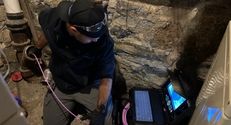
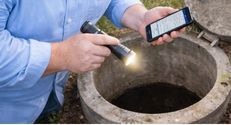
I’ve seen buyers decline a $300 sewer scope inspection only to discover a collapsed sewer line shortly after moving in.
The repair?
More than $15,000.
Had the problem been discovered before closing, it could have been negotiated with the seller.
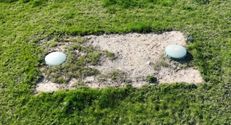
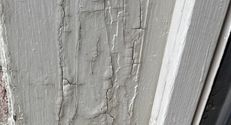
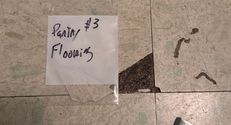
The same applies to mold, asbestos, lead-based paint, failing septic systems, and other environmental concerns.
These aren’t simply inspection add-ons.
They’re opportunities to identify significant financial liabilities before you own the property.
9. Focusing Only on the Purchase Price
Home warranties can provide value—but they’re not all the same. Many buyers assume the warranty covers everything.
It doesn’t. Read the contract carefully. Look for:
Insurance
Maintenance
Roof replacement
HVAC repairs
Sewer repairs
Environmental remediation
Plumbing repairs
Property taxes
Future capital improvements
Sewer repairs
Looking beyond the purchase price helps buyers make smarter long-term decisions.
Final Thoughts: Protect Your Investment Before Closing
After inspecting homes for more than 16 years, I’ve learned that the buyers who have the smoothest homeownership experience are rarely the ones who found the cheapest house.
They’re the buyers who asked questions.
They surrounded themselves with experienced professionals.
They invested in inspections.
They understood the condition of the property before closing—not after.
A home inspection isn’t just about finding defects.
It’s about understanding risk, protecting your investment, and making informed decisions before one of the biggest purchases of your life.
At Home & Commercial Inspections, we believe an educated buyer is a protected buyer. Our goal isn’t simply to inspect a house—it’s to provide the information you need to make confident decisions before you get the keys.
Key Takeaways
Don't waive your home inspection.
Verify homeowners insurance early.
Read the home warranty carefully.
Understand roof and HVAC age.
Consider sewer, mold, radon, well, and septic inspections.
Hire professionals who represent your interests.
Think beyond the purchase price.
Frequently Asked Questions
What is the biggest mistake homebuyers make before closing?
The biggest mistake homebuyers make before closing is skipping important due diligence, especially the home inspection. Many costly problems, such as structural issues, hidden water damage, mold, electrical hazards, or sewer line defects, may not be discovered until after closing. A professional home inspection helps buyers understand the property’s condition, identify potential repairs, and make informed decisions before completing the purchase.
Should I skip a home inspection in a competitive market?
No. While waiving a home inspection may strengthen your offer in a competitive market, it can also expose you to expensive repairs and safety issues that aren’t visible during a walkthrough. A home inspection is one of the best ways to protect your investment by identifying defects before you become the owner.
Does homeowners insurance inspect the house?
Not always, but insurance companies often evaluate a home’s condition before or after issuing a policy. They may review the age of the roof, electrical system, plumbing, HVAC equipment, and other factors that affect risk. In some cases, insurers may limit coverage, require repairs, or deny coverage if the home doesn’t meet their underwriting guidelines.
Is title insurance worth buying?
Yes. Title insurance helps protect buyers from unexpected ownership issues, including liens, easements, boundary disputes, and title defects that may not be discovered before closing. While these problems are uncommon, they can be expensive and time-consuming to resolve without title insurance.
Should I get a sewer scope inspection?
A sewer scope inspection is highly recommended, especially for older homes or properties with mature trees. A specialized camera is used to inspect the sewer line for cracks, root intrusion, blockages, or collapsed pipes. Identifying these issues before closing can help buyers avoid costly repairs and negotiate with the seller when necessary.
Can an old roof prevent me from getting insurance?
Yes. Some homeowners insurance companies consider roof age when determining eligibility for coverage. Even if a roof still has usable service life, an insurer may require replacement or limit coverage if it exceeds the company’s underwriting guidelines. It’s important to discuss the roof’s age with your insurance provider before closing on a home.
What additional inspections should I consider before closing?
James Jones has nearly 30 years of experience performing home and commercial property inspections. He specializes in environmental testing, thermal imaging, drone inspections, and building performance assessments. As a member of the Board of Directors for the American Society of Home Inspectors (ASHI), he is committed to helping homebuyers, homeowners, businesses, and investors make informed property decisions through thorough inspections and clear, actionable reporting.