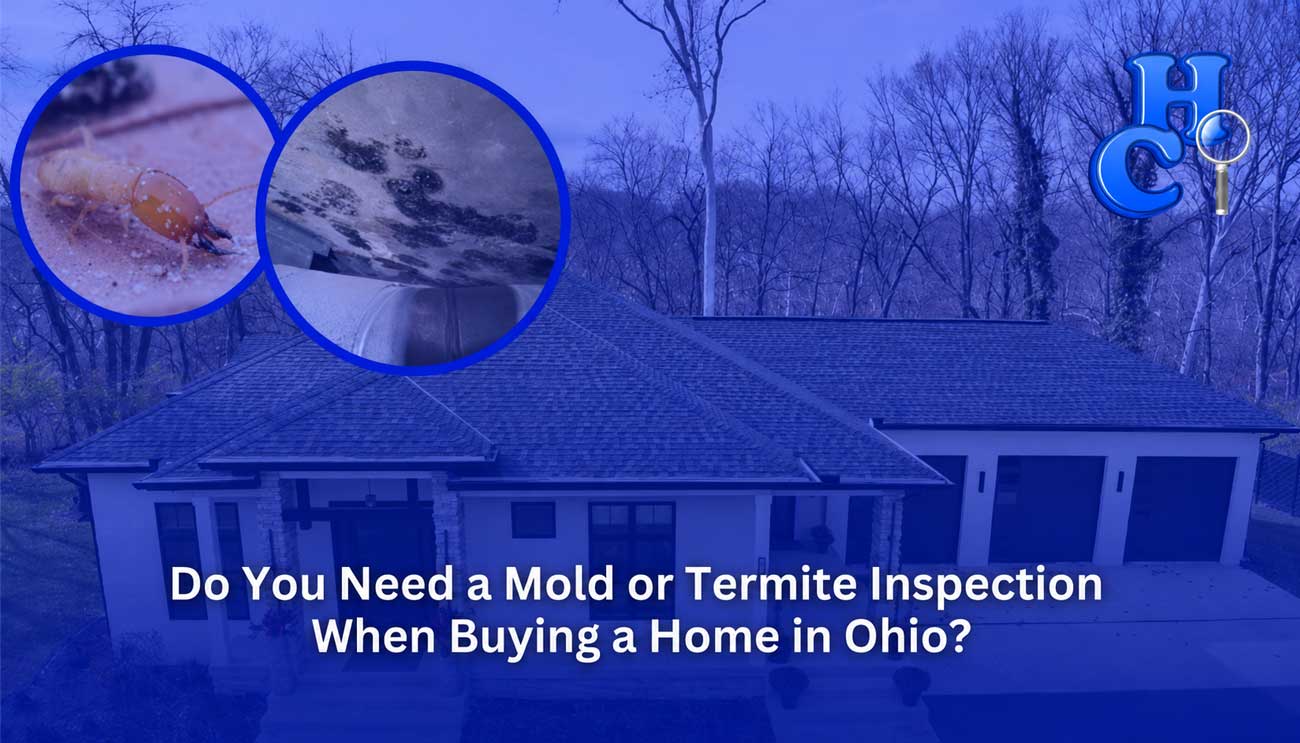
Do You Need a Mold or Termite Inspection When Buying a Home in Ohio?
Buying a home is exciting—but it’s also one of the biggest financial decisions you’ll ever make. A standard home inspection covers a lot of ground, from the roof down to the foundation. But there are two issues that often stay hidden unless you specifically look for them: mold and termites.
In Ohio, both are more common than many buyers realize.
At Home & Commercial Inspections, mold and termite inspections are two of the most requested add-on services—and for good reason. They help uncover problems that can be costly, stressful, and easy to miss during a general inspection.
Let’s take a closer look at why they matter.
Why Mold Can Be a Hidden Problem
Mold doesn’t always show itself right away. It tends to grow in places you don’t often see—behind walls, under flooring, or in damp corners of basements and attics.
Ohio’s climate makes this more likely. With humid summers, wet seasons, and plenty of homes with basements, moisture can build up over time.
Common causes include:
Small plumbing leaks
Poor ventilation in bathrooms or attics
Water seepage through foundation walls
Past water damage that wasn’t fully resolved
The challenge is that mold can exist long before there are visible signs. You might not notice it until there’s a musty smell or staining—and by then, the issue may already be more extensive.
Why a Mold Inspection Is Worth Considering
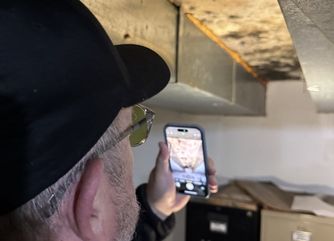
A dedicated mold inspection goes beyond what’s visible.
It can help:
Identify areas where moisture is present
Detect conditions that allow mold to grow
Confirm whether suspicious spots are actually mold
For buyers, this means fewer surprises after closing. For homeowners, it means catching a problem early, when it’s easier and less expensive to address.
Termites: The Damage You Don’t See
If mold is a moisture issue, termites are a structural one.
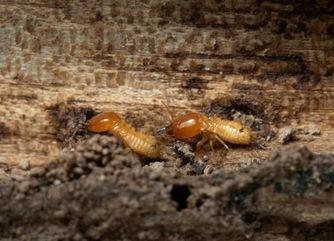
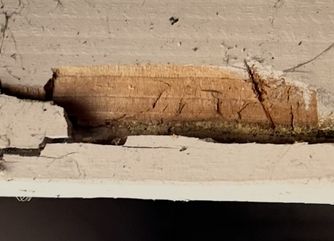
Termites feed on wood from the inside out. That means they can weaken framing, flooring, and support structures without obvious external signs.
By the time damage is visible, it can already be significant.
In Ohio, subterranean termites are the most common type. They live in the soil and build mud tubes to reach the wood in a home. Because they work quietly and out of sight, an active infestation can go unnoticed during a basic walkthrough.
What a Termite Inspection Looks For
A termite inspection focuses on signs of both current activity and past damage.
This includes:
Mud tubes along foundations or walls
Wood that sounds hollow or appears damaged
Areas where moisture could attract termites
Evidence of previous treatment
Even if termites are no longer active, past damage can still affect the structure—and that’s important to understand before you buy.
Why Ohio Homes Are at Risk
Certain conditions make homes in Columbus, Dayton, and Cincinnati more vulnerable to both mold and termites.
These include:
Older housing stock with aging materials
Basements that are prone to dampness
Seasonal moisture changes
Soil conditions that support termite activity
Even well-maintained homes can develop these issues over time. That’s why they’re not always caught in a standard inspection.
Are These Inspections Really Necessary?
Not every home will have mold or termites. But the question isn’t just whether they’re present—it’s whether you want to take that risk without checking.
These inspections are especially worth considering if:
The home has a basement or history of moisture
You notice musty odors or signs of water damage
The property is older
You simply want extra peace of mind before closing
Compared to the overall cost of a home purchase, these add-on inspections are relatively small. But they can prevent much larger expenses later.
A Smarter Way to Buy
At Home & Commercial Inspections, the goal isn’t to alarm buyers—it’s to inform them.
Mold and termite inspections provide clarity. They help you understand what you’re walking into, so you can make confident decisions about your investment.
Sometimes everything checks out, and you move forward with peace of mind. Other times, you uncover issues early—while you still have options.
The Bottom Line
A home can look solid on the surface while hiding problems underneath. Mold and termites are two of the most common examples.
In Ohio, where moisture and seasonal changes play a big role in how homes age, these inspections aren’t just optional add-ons—they’re smart safeguards.
Because when you’re buying a home, it’s not just about what you can see. It’s about what you might miss—and making sure you don’t.
James Jones has nearly 30 years of experience performing home and commercial property inspections. He specializes in environmental testing, thermal imaging, drone inspections, and building performance assessments. As a member of the Board of Directors for the American Society of Home Inspectors (ASHI), he is committed to helping homebuyers, homeowners, businesses, and investors make informed property decisions through thorough inspections and clear, actionable reporting.