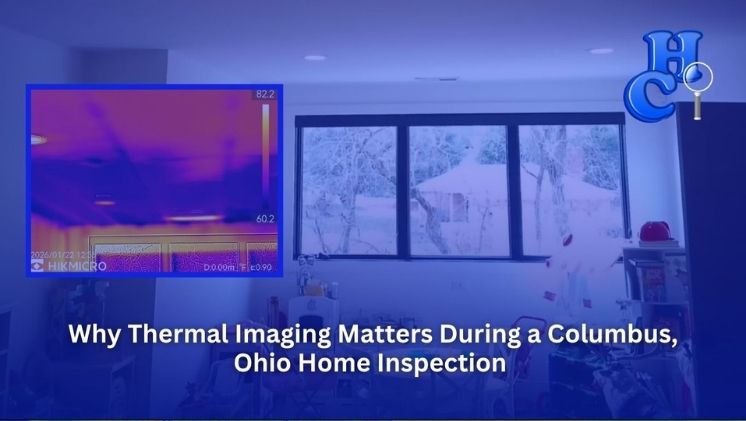
Why Thermal Imaging Matters During a Columbus, Ohio Home Inspection
When purchasing a home, most buyers assume that if they cannot see a problem, it does not exist. Unfortunately, many serious defects are hidden behind walls, under flooring, inside ceilings, or within electrical systems where they are impossible to detect with the naked eye alone.
At Home & Commercial Inspections LLC, we believe modern home inspections should go beyond the minimum standards whenever possible. That is why we incorporate limited thermal imaging into our inspections at our discretion as an added tool to help identify conditions that may otherwise go unnoticed during a standard visual inspection.
We are not performing a full building envelope analysis or a specialized forensic thermography survey that can cost thousands of dollars. Instead, thermal imaging is used as an additional layer of evaluation during the normal inspection process to help identify anomalies that may warrant further review.
In a competitive real estate market like Columbus, buyers deserve every advantage they can get when making one of the largest investments of their lives.
What Is Thermal Imaging?
Thermal imaging cameras detect temperature differences on surfaces. These temperature variations can sometimes indicate moisture intrusion, missing insulation, air leakage, overheating electrical components, plumbing leaks, or HVAC performance issues.
The camera does not “see through walls,” but it can help identify abnormal thermal patterns that may indicate concealed defects.
When used properly by trained professionals, thermal imaging becomes a powerful supplemental inspection tool.
Examples of Issues Thermal Imaging Can Help Identify
Hidden Plumbing Leaks
One of the most common issues discovered with thermal imaging is concealed plumbing leaks.
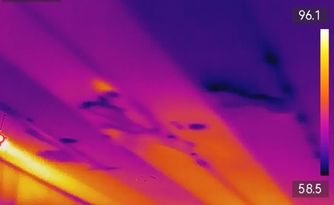
A ceiling may appear normal visually, but a thermal camera can reveal cooler temperature anomalies caused by moisture accumulation above drywall. In many cases, this allows the inspector to identify a possible leak before significant visible damage occurs.
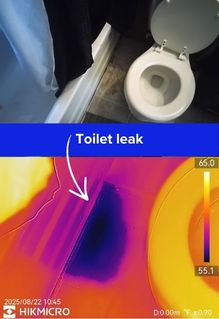
Thermal imaging can also identify moisture beneath bathroom flooring around toilets, tubs, and showers where leaks may not yet be visible on the surface.
Basement Water Intrusion
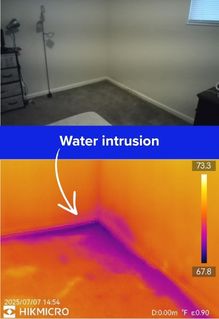
Water intrusion is a major concern in many Columbus Ohio homes, especially older homes with masonry or limestone foundations.
Thermal imaging can help identify cooler moisture patterns along basement walls, beneath carpeting, or around foundation areas where active seepage may not yet be obvious during a visual home inspection.
In some cases, home buyers would never know water was present beneath carpeting until after moving into the home.
Missing Insulation and Energy Loss
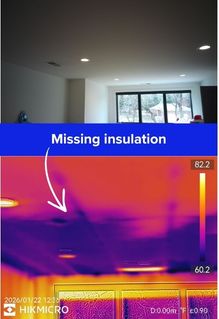
New construction homes are not immune to defects.
We frequently discover missing insulation inside exterior walls and ceilings using thermal imaging. These hidden deficiencies can lead to energy loss, uncomfortable rooms, and higher utility costs.
Thermal imaging can also identify:
Poorly sealed windows
Air leakage around exterior doors
Drafts around penetrations and framing components
Incomplete insulation installation
These issues are often invisible during a standard visual home inspection.
HVAC Performance Issues
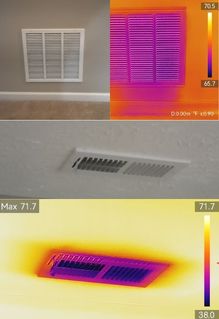
Thermal imaging can assist in identifying:
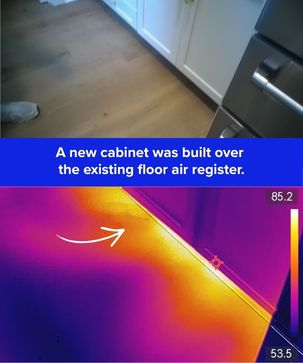
Blocked or disconnected HVAC registers
Uneven heating and cooling distribution
Potential duct leakage
Areas with inadequate airflow
A room may feel “slightly off” to a homeowner, but thermal imaging can help visually identify the thermal imbalance.
Electrical Hotspots and Safety Concerns
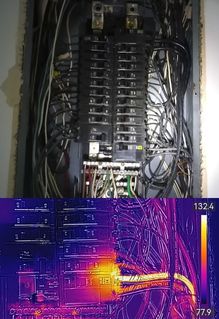
One of the most important uses of thermal imaging during a home inspection is evaluating electrical systems for abnormal heat signatures.
Loose electrical connections, overloaded breakers, failing components, or high resistance conditions can generate excessive heat before visible failure occurs.
For example:
An overheated breaker may show temperatures well above expected operating ranges
A loose service entrance connection may create dangerous heat buildup
Electrical faults can sometimes be identified before failure or fire occurs
These are conditions that may not be visible during a standard visual home inspection alone.
Thermal Imaging Helps Provide More Information
Thermal imaging does not replace a home inspection. It is simply another tool that can help home inspectors identify anomalies that deserve further evaluation.
Not every temperature difference indicates a defect, and not every defect can be detected with thermal imaging. Environmental conditions, accessibility, building materials, HVAC operation, and moisture conditions can all affect thermal patterns.
However, when used properly by trained professionals, thermal imaging can provide valuable additional insight during the home inspection process.
Why We Include Thermal Imaging
At Home & Commercial Inspections LLC, we believe buyers should have as much information as possible about the property they are purchasing.
While Ohio’s Standards of Practice establish the minimum requirements for a home inspection, we believe incorporating thermal imaging as part of our home inspection process helps provide additional value to our clients.
In many cases, thermal imaging has helped identify:
Hidden moisture intrusion
Active leaks
Electrical concerns
Missing insulation
Air leakage
HVAC performance issues
These are issues that can impact safety, energy efficiency, comfort, and future repair costs.
Choosing the Right Home Inspector Matters
Not all home inspections are the same.
Experience, training, equipment, and attention to detail all matter when evaluating a property. Advanced tools such as thermal imaging can provide additional information that may not otherwise be discovered during a standard visual inspection alone.
If you are purchasing a home in Columbus or the surrounding areas, choosing an inspection company that incorporates thermal imaging into the inspection process can provide an added layer of insight during your due diligence period.
At Home & Commercial Inspections LLC, we are committed to helping our clients make informed decisions through detailed inspections, advanced technology, and professional reporting.
James Jones has nearly 30 years of experience performing home and commercial property inspections. He specializes in environmental testing, thermal imaging, drone inspections, and building performance assessments. As a member of the Board of Directors for the American Society of Home Inspectors (ASHI), he is committed to helping homebuyers, homeowners, businesses, and investors make informed property decisions through thorough inspections and clear, actionable reporting.