The 15 Most Expensive Problems We Find During Columbus Home Inspections
Quick answer: The most expensive problems found during Columbus home inspections are foundation movement, sewer line failures, roof deterioration, and hidden water intrusion. These issues often start small and go unnoticed, but left alone they can turn into repairs costing thousands of dollars. A professional home inspection identifies the warning signs early, before a buyer is locked into an unexpected expense after closing.
Introduction
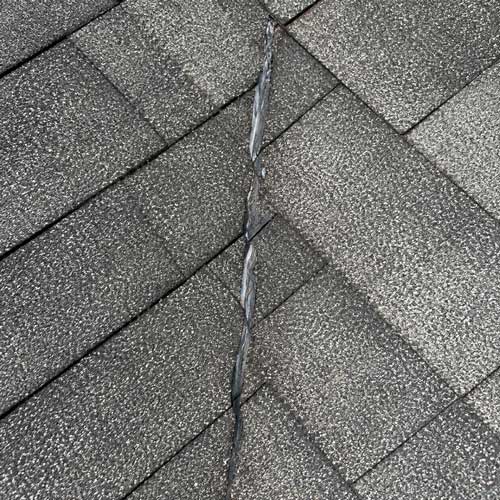
After nearly 3 decades in construction and thousands of home inspections throughout Central Ohio, I’ve learned that the most expensive problems aren’t always the ones that look the worst. In fact, many of the costliest repairs begin as small issues that homeowners barely notice. A minor crack in a foundation wall, a slow plumbing leak hidden behind drywall, or a roof flashing that has started to separate may not seem urgent today, but left alone, they can become repairs costing thousands of dollars.
One of the biggest misconceptions I hear from buyers is that if a house “looks good,” it must be in good condition. Unfortunately, that’s not always the case. Cosmetic updates like fresh paint, new flooring, or renovated kitchens can easily hide problems that have been developing for years. That’s why every inspection is about looking beyond what is visible on the surface.
Throughout Columbus and surrounding Central Ohio communities, we consistently find the same types of defects. These aren’t rare horror stories. They’re the issues we encounter week after week, regardless of whether the home is 50 years old or only a few years old.
Our goal during an inspection isn't to scare buyers. It's to help them understand the condition of the home so they can make informed decisions and avoid expensive surprises after closing.
— James Jones
Master Residential and Commercial Inspector
Here are the 15 most costly problems we commonly discover:
1. Foundation Movement
Foundation movement remains one of the most expensive issues we encounter across Central Ohio.
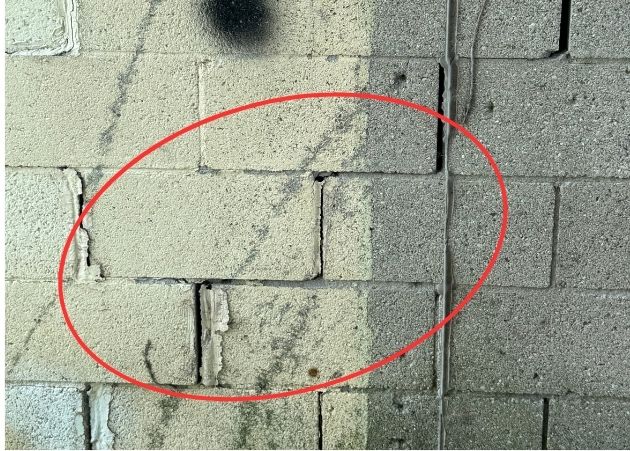
Our region’s clay-rich soil expands during wet seasons and shrinks during dry weather. That constant movement places pressure on foundation walls year after year. During inspections, I frequently see stair-step masonry cracks, horizontal wall cracking, settlement around garages, and basement walls beginning to bow inward.
Not every crack means the foundation is failing. Hairline shrinkage cracks are fairly common. However, wide cracks, horizontal movement, or walls that are visibly leaning deserve much closer evaluation.
The biggest mistake buyers make is assuming someone has already repaired the problem simply because they see fresh caulk or newly painted basement walls. Cosmetic repairs don’t stop structural movement.
When foundation problems are ignored, repair costs can quickly climb into the thousands, especially if structural reinforcement or excavation becomes necessary.
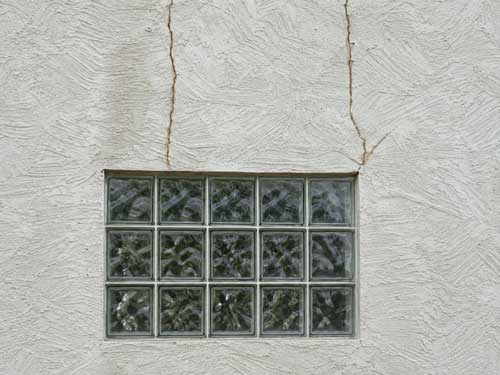
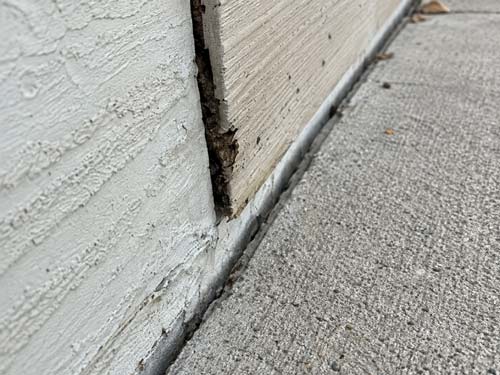
Misaligned blocks on a foundation wall found during inspection
2. Sewer Line Failures
One of the most overlooked problems during a real estate transaction happens underground.
A standard home inspection cannot see inside the home’s sewer line. That’s why I often recommend a sewer scope, especially for older homes throughout Columbus.
Many homes built before the 1980s still have clay tile, cast iron, or even Orangeburg sewer piping. Over time, tree roots find their way inside, joints separate, pipes settle, and sections can eventually collapse.
I’ve seen buyers purchase homes that looked nearly perfect inside, only to discover weeks later that the main sewer line required excavation and complete replacement.
A sewer repair often becomes one of the largest unexpected expenses after closing because much of the work involves digging through yards, sidewalks, or driveways, not simply replacing a pipe.
3. Roof Replacement
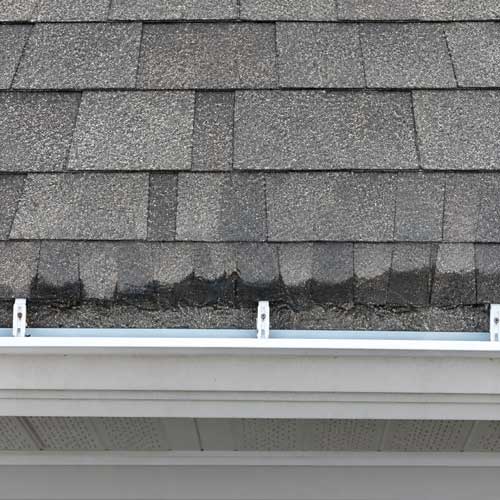
Roofs rarely fail overnight. Most roof problems develop slowly through years of weather exposure.
Here in Ohio, roofs experience snow, ice, heavy rain, hail, wind, and dramatic temperature swings throughout the year. Those conditions gradually wear roofing materials down.
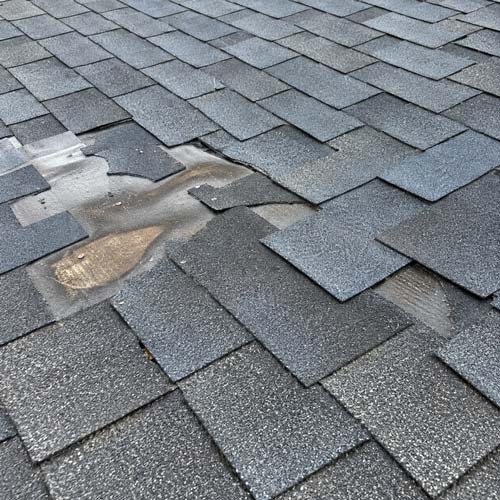
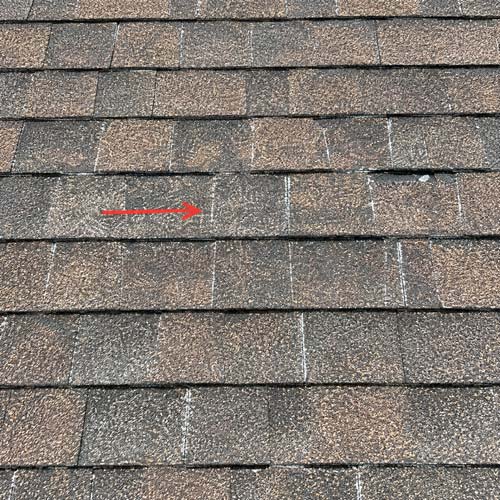
During inspections, we commonly find:
Missing shingles
Granule loss
Aging sealants
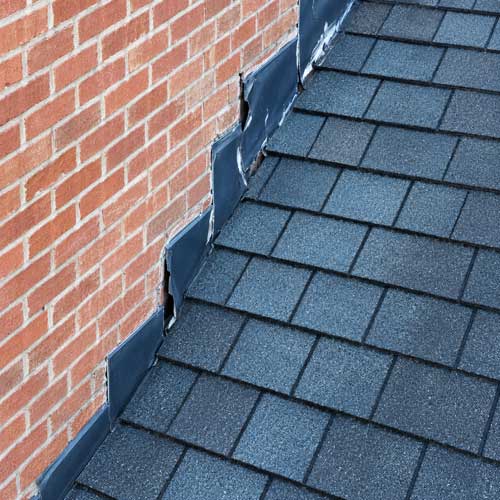
Damaged flashing
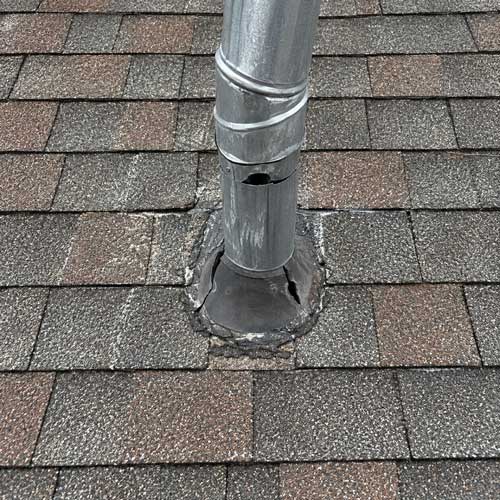
Pipe boot deterioration
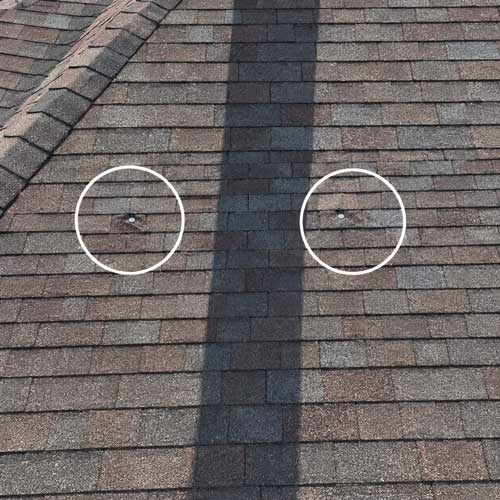
Exposed fasteners
Improper previous repairs
Missing shingles
Granule loss
Aging sealants
Pipe boot deterioration
Exposed fasteners
Improper previous repairs
Damaged flashing
Many homeowners only notice roof problems once water stains begin appearing inside the house. Unfortunately, by then moisture may have already damaged roof decking, insulation, or attic framing.
Using drone technology allows us to safely evaluate roofing areas that aren’t visible from the ground while documenting conditions that buyers might otherwise never see.
4. Structural Framing Damage
Structural framing problems are less common than roofing or plumbing issues, but when they occur, repairs can become extremely expensive.
I’ve inspected homes where previous remodeling projects removed or altered framing without proper support. Other homes have experienced years of moisture intrusion that weakened floor joists, beams, or sill plates.
Sometimes the warning signs are subtle:
Uneven floors
Doors that no longer close properly
Sagging ceilings
Cracks appearing above windows and doorways
These symptoms don’t automatically indicate structural failure, but they should never be ignored. Part of my job is determining whether movement appears cosmetic or whether further evaluation by a structural engineer is appropriate.
Uneven floors
Doors that no longer close properly
Sagging ceilings
Cracks appearing above windows and doorways
5. Water Intrusion
If there’s one lesson nearly thirty years of inspections has taught me, it’s this:
Water is every home’s biggest enemy.
Almost every major repair starts with uncontrolled moisture.
Water enters homes through roof leaks, foundation cracks, failed flashing, clogged gutters, poor grading, leaking windows, plumbing failures, and dozens of other pathways.
Many homeowners focus on fixing visible water stains while overlooking the source of the moisture itself.
During inspections, we use moisture meters and thermal imaging to identify hidden moisture behind walls, ceilings, and finished basement areas that cannot be seen with the naked eye.
Finding these problems early often prevents much larger repairs involving drywall replacement, mold remediation, damaged framing, and flooring replacement.
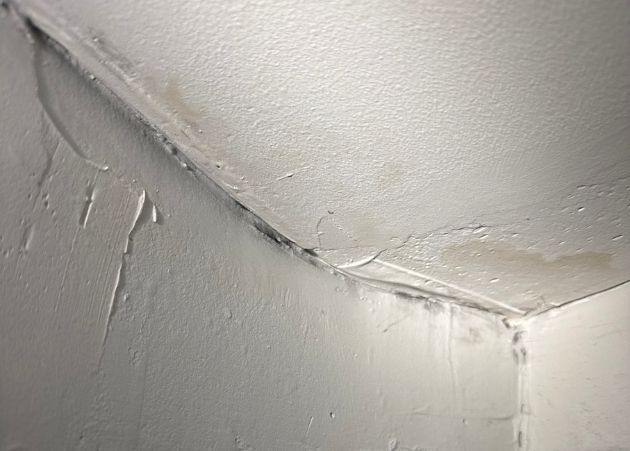
Water staining at a ceiling corner, a common sign of hidden moisture
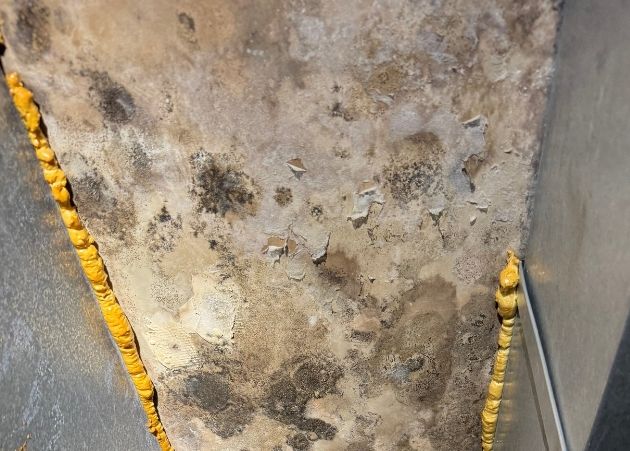
Mold growth caused by long-term, unresolved moisture
6. Mold Caused by Chronic Moisture
Mold is rarely the actual problem. It’s usually the result of another issue that has gone unresolved.
During inspections, we commonly find mold growth in basements, crawlspaces, attics, and around plumbing leaks where moisture has been present for an extended period. Sometimes homeowners are completely unaware because the mold is hidden behind finished walls or beneath insulation.
Thermal imaging and moisture meters often help identify areas where moisture may be trapped even when there are no visible stains.
The real expense isn’t simply removing the mold. The source of the moisture must also be corrected. Otherwise, the problem usually returns. In many cases, what starts as a minor leak eventually requires mold remediation, drywall replacement, insulation replacement, and repairs to structural materials.
7. HVAC System Replacement
Heating and cooling systems don’t last forever.
Across Central Ohio, many homes still have HVAC systems that are nearing the end of their expected service life. While an older furnace or air conditioner may still operate during an inspection, that doesn’t necessarily mean it has many years of reliable service remaining.
During inspections, we evaluate visible components, check system operation, and look for signs of deferred maintenance or improper installation.
Some of the issues we frequently observe include:
Aging furnaces nearing the end of their lifespan
Rust inside heat exchangers
Improper condensate drainage
Dirty evaporator coils
Damaged ductwork
Inadequate airflow
Replacing an entire HVAC system can become one of the first major expenses new homeowners face after moving in.
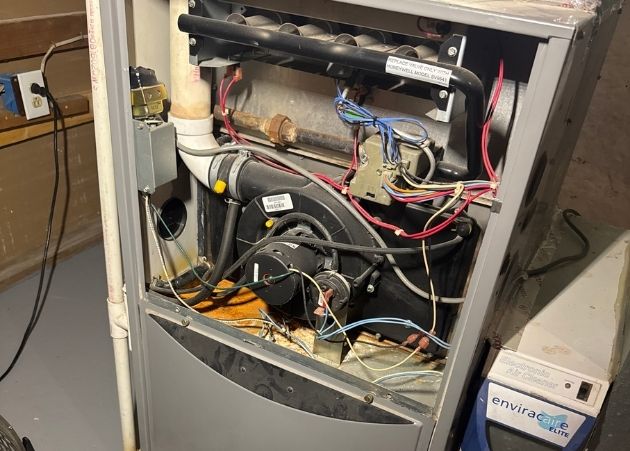
An aging furnace nearing the end of its expected service life
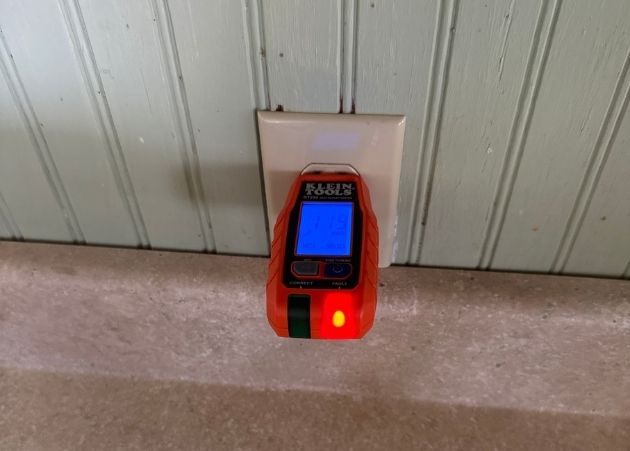
Testing an outlet's wiring during an electrical inspection
8. Electrical Service Upgrades
Electrical systems are one area where age matters.
Many older homes throughout Columbus were built long before today’s electrical demands existed. Large televisions, home offices, electric vehicle chargers, and multiple kitchen appliances place far more demand on a home’s electrical system than builders anticipated decades ago.
During inspections, we commonly find:
Outdated electrical panels
Double-tapped breakers
Improper wiring modifications
Missing bonding or grounding
Overloaded circuits
Sometimes everything appears to function normally. However, safety concerns can still exist even when lights turn on and outlets work.
Electrical upgrades can become costly because repairs often involve panel replacement, circuit modifications, and bringing portions of the system up to current safety standards.
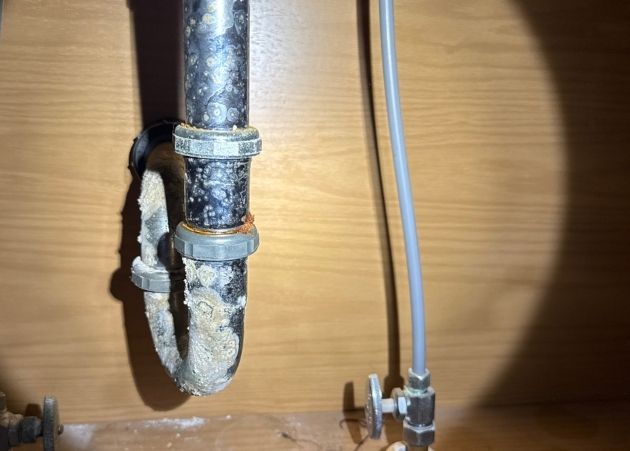
9. Hidden Plumbing Leaks
One of the most expensive repairs is often the one nobody sees.
Small plumbing leaks hidden behind walls, beneath sinks, inside crawlspaces, or under flooring can continue for months before becoming visible.
By the time homeowners notice warped flooring or stained ceilings, significant damage may have already occurred.
This is another area where moisture meters and thermal imaging provide valuable information during an inspection by helping identify suspicious moisture patterns that deserve further evaluation.
The longer hidden leaks continue, the more likely they are to damage framing, insulation, drywall, cabinetry, and flooring.
Corrosion and mineral buildup around a leaking pipe fitting
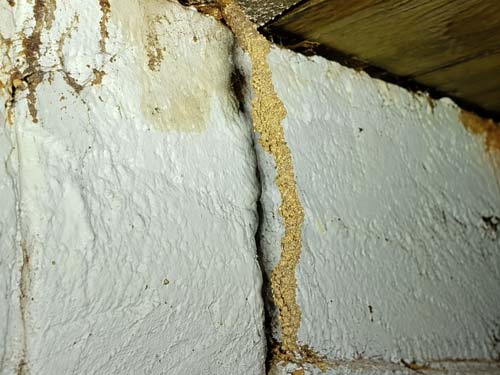
10. Termite and Wood-Destroying Insect Damage
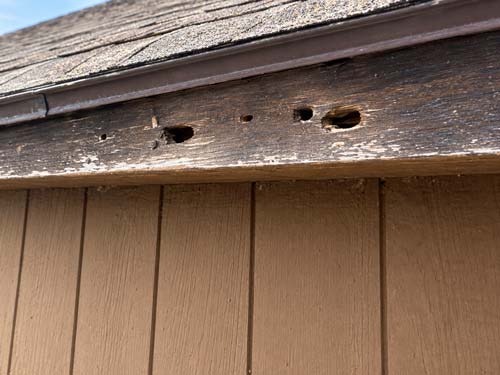
Not every home in Ohio has termites, but we certainly find evidence often enough to take the issue seriously.
Wood-destroying insects can remain active for years without homeowners realizing they’re present. Damage frequently occurs inside framing where it isn’t immediately visible.
During inspections, we look for:
Mud tubes
Damaged wood
Wood-to-soil contact
Conditions favorable for insect activity
Catching termite activity early is far less expensive than repairing structural framing after years of hidden damage.
Mud tubes
Damaged wood
Wood-to-soil contact
Conditions favorable for insect activity
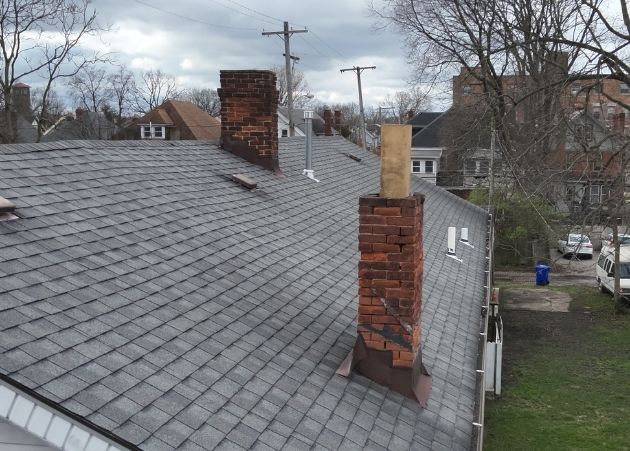
A rooftop view of chimney condition during inspection
11. Chimney Deterioration
Chimneys are constantly exposed to rain, snow, freezing temperatures, and seasonal expansion and contraction.
Over time, mortar joints begin to deteriorate, crowns crack, flashing fails, and bricks absorb moisture.
Many homeowners never notice these issues because they rarely inspect their chimney closely.
Water entering through deteriorated masonry can eventually damage attics, ceilings, walls, and fireplaces.
Routine maintenance is almost always less expensive than rebuilding major sections of a chimney.
12. Improper Grading and Drainage
One of the simplest problems around a home often creates some of the biggest repair bills.
If water isn’t directed away from the foundation, it eventually finds its way inside.
During inspections throughout Central Ohio, we frequently see:
Negative grading
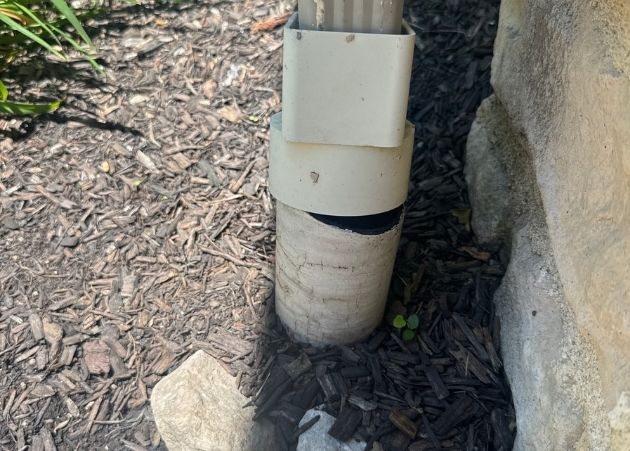
Downspouts terminating too close to the foundation
Standing water
Poor surface drainage
These conditions contribute to basement moisture, crawlspace problems, foundation settlement, and structural movement over time.
Proper drainage protects nearly every major component of a home.
A downspout terminating close to the foundation
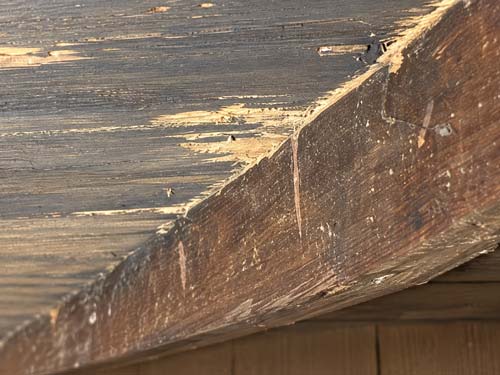
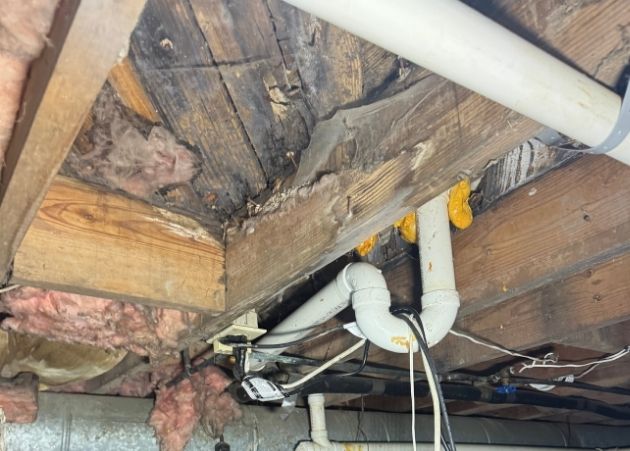
Wood deterioration caused by chronic crawlspace moisture
13. Crawlspace Moisture
Crawlspaces are easy to forget because most homeowners rarely enter them.
Unfortunately, moisture problems in crawlspaces are extremely common.
We regularly encounter:
Standing water
High humidity
Mold growth
Damaged insulation
Wood deterioration
Excess moisture can also attract wood-destroying insects and contribute to poor indoor air quality throughout the home.
Identifying moisture early helps prevent much larger structural repairs later.
14. Aging Water Heaters and Plumbing Systems
Water heaters and plumbing systems naturally wear out with age.
Older galvanized piping may corrode internally, reducing water flow while increasing the likelihood of leaks.
Water heaters often show warning signs before failure, including:
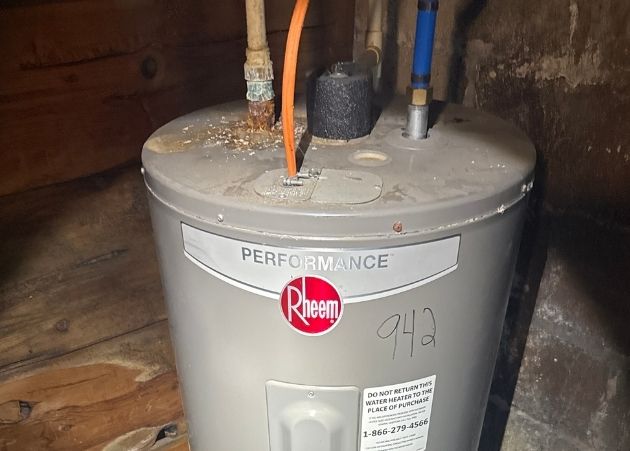
Rust around fittings
Corrosion
Water staining
Improper venting
Evidence of previous leakage
Replacing these systems before they fail unexpectedly can prevent water damage that extends far beyond the mechanical equipment itself.
Rust and corrosion on an aging water heater's fittings
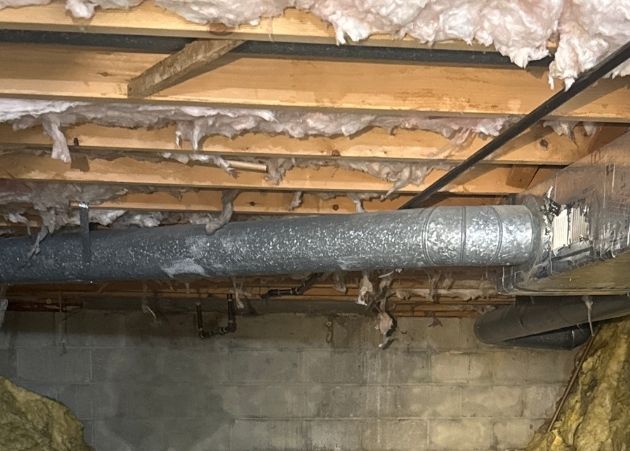
Uneven attic insulation found during a home inspection
15. Insulation and Ventilation Deficiencies
Insulation and ventilation rarely receive much attention until homeowners notice high utility bills or comfort problems.
However, poor attic ventilation can contribute to excessive moisture, premature roof deterioration, ice dam formation during winter, and reduced roofing life.
During inspections, we commonly find:
Inadequate attic insulation
Blocked soffit vents
Poor attic airflow
Missing insulation in critical areas
These deficiencies don’t just affect energy efficiency. They can shorten the lifespan of other building components as well.
Final Thoughts
After nearly 30 years in construction and thousands of inspections throughout Columbus and Central Ohio, one lesson continues to prove itself: major repairs rarely happen overnight. Most begin as small maintenance issues that gradually become expensive because they go unnoticed or are postponed.
That’s why a quality home inspection isn’t about finding reasons not to buy a house. It’s about understanding the property’s condition, identifying concerns before they become major expenses, and giving buyers the information they need to make confident decisions.
Every home has defects, even brand-new homes. The goal is to know which issues require immediate attention, which should be monitored, and which are simply part of normal homeownership.
At HC Inspectors, we use experience, thermal imaging, moisture meters, drones, and a thorough inspection process to evaluate homes throughout Columbus and Central Ohio. The more you understand about a home’s condition before closing, the fewer costly surprises you’ll face later.
If you’re buying, selling, or maintaining a home, a professional inspection provides more than a checklist. It provides the knowledge needed to protect one of your largest investments.
Ready to get the full picture before you close?
Schedule your home inspection with HC Inspectors and get a complete evaluation of the foundation, roof, HVAC, electrical, plumbing, and every other major system in one visit.
What's the most expensive problem a home inspection can find?
Foundation movement and sewer line failures tend to be the costliest, since both often require excavation, structural reinforcement, or full pipe replacement rather than a simple repair.
Can a standard home inspection find sewer line problems?
No. A standard inspection doesn’t include a camera scope of the sewer line. A separate sewer scope is recommended, especially in older Columbus homes with clay tile, cast iron, or Orangeburg piping.
Does every foundation crack mean the foundation is failing?
No. Hairline shrinkage cracks are common and often not a structural concern. Wide cracks, horizontal movement, or visibly leaning walls warrant further evaluation.
How can a home inspector find water damage that isn't visible?
Moisture meters and thermal imaging can detect hidden moisture behind walls, ceilings, and finished basement areas that aren’t visible to the naked eye.
Does an older HVAC system need to be replaced right away?
Not necessarily. Age alone doesn’t determine whether a system needs replacement. Its condition, maintenance history, and how it’s performing during the inspection all matter.
Is mold always a sign of a serious problem?
Mold itself is usually a symptom of an underlying moisture issue. Removing the mold without correcting the moisture source typically means the problem returns.
Can a home inspection catch termite damage?
Inspectors look for visible signs like mud tubes, damaged wood, and wood-to-soil contact, but a wood-destroying insect inspection (WDI) is the more targeted evaluation for suspected activity.
Why does grading and drainage matter so much for repair costs?
Water directed toward, rather than away from, a foundation contributes to basement moisture, crawlspace problems, and foundation settlement over time. These issues are far more expensive to fix than correcting the grading itself.
Do new construction homes have these same problems?
Some of them, yes. Every home has defects, including new construction. Improper grading, installation issues, and framing problems can show up in homes of any age.
How can a home buyer avoid these costly surprises after closing?
A full home inspection covering the whole house, paired with a sewer scope when appropriate, is the most reliable way to identify these conditions before a purchase is finalized rather than after.
James Jones has nearly 30 years of experience performing home and commercial property inspections. He specializes in environmental testing, thermal imaging, drone inspections, and building performance assessments. As a member of the Board of Directors for the American Society of Home Inspectors (ASHI), he is committed to helping homebuyers, homeowners, businesses, and investors make informed property decisions through thorough inspections and clear, actionable reporting.