




Quick answer:
After 27 years of construction and inspection experience and thousands of home inspections across Columbus and Central Ohio, I’ve learned that most costly home repairs begin as small, preventable maintenance issues. Water intrusion, poor drainage, deferred maintenance, and temporary repairs are among the most common concerns I encounter. Every home, whether newly built or decades old, has defects, but not every defect is a major problem. A professional home inspection helps buyers understand a property’s condition, prioritize necessary repairs, and make informed decisions with confidence.
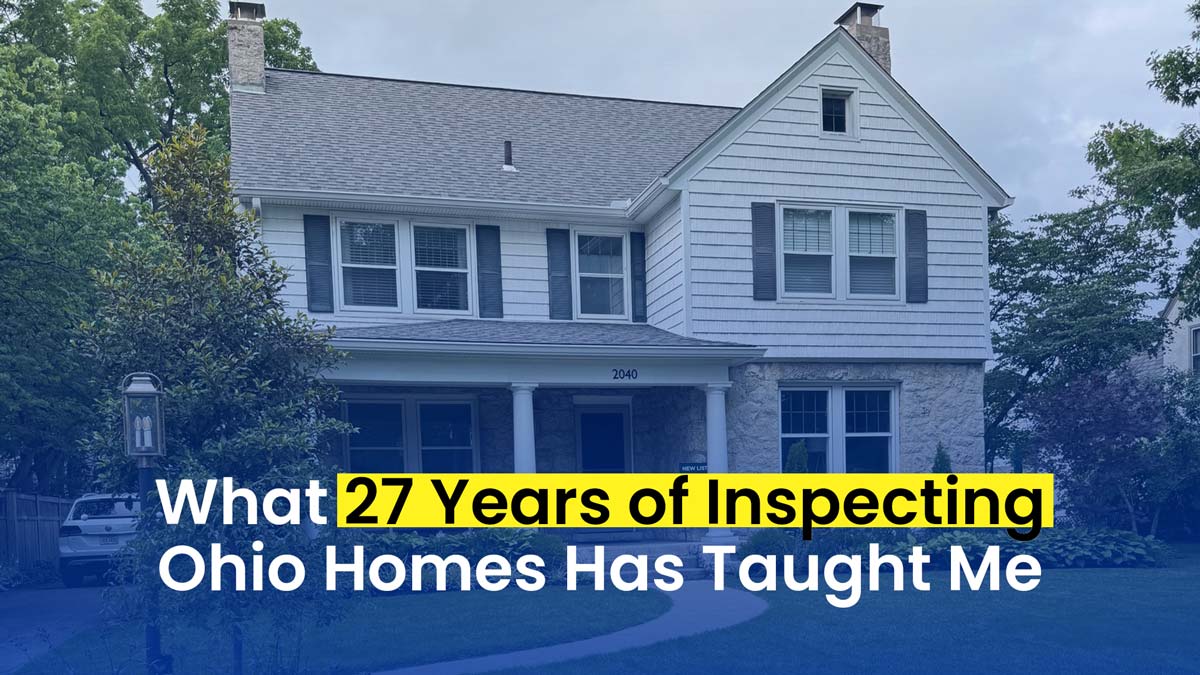
When people ask me what I’ve learned after nearly three decades in construction and thousands of home inspections across Ohio, they usually expect me to talk about major structural failures or the worst houses I’ve ever inspected.
The truth is much simpler.
Most of the homes I inspect aren’t falling apart. Most homeowners care about their properties and do their best to maintain them. But over the years, I’ve noticed the same patterns repeat themselves. Small maintenance issues become expensive repairs because they’re ignored. Water finds its way into places it doesn’t belong. Quick fixes are used instead of proper repairs. And buyers sometimes panic over defects that are actually common and manageable.
Every inspection teaches you something. After thousands of home inspections throughout Columbus and Central Ohio, those lessons become impossible to ignore.
These aren’t rules you’ll find in a textbook. They’re lessons learned from spending years walking roofs, crawling through crawlspaces, inspecting basements, evaluating attics, and helping buyers understand one of the biggest investments they’ll ever make.
— James Jones
Master Residential and Commercial Inspector
One of the biggest misconceptions I hear is that expensive home repairs happen suddenly. In reality, most don’t.
A missing shingle isn’t usually what costs a homeowner thousands of dollars. It’s the roof leak that continues for months because nobody noticed it. A small crack in foundation mortar isn’t automatically a structural emergency. But if drainage problems continue year after year, that crack may eventually become something much more serious.
I’ve inspected homes where a simple gutter extension could have prevented years of basement moisture problems. I’ve also seen leaking plumbing fixtures that were ignored until cabinets, flooring, and subfloors all had to be replaced.
These are common home maintenance problems that can develop into larger concerns, particularly when moisture and drainage issues go unnoticed.
The lesson is simple: homes reward homeowners who stay ahead of maintenance. Addressing small problems early is usually far less expensive than waiting until they cause additional damage.
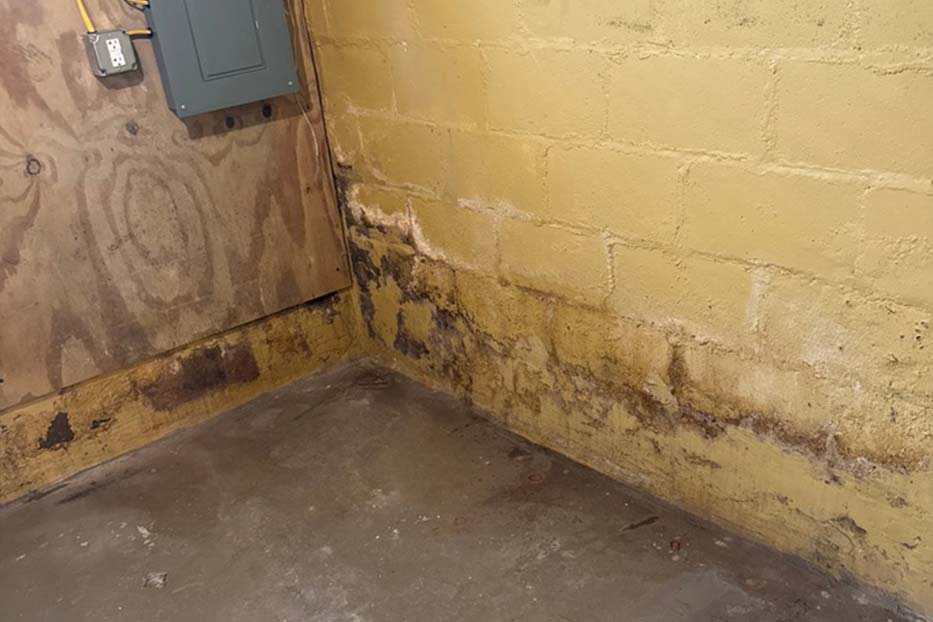
If I had to choose one thing that causes more expensive home repairs than almost anything else, it would be water.
Water doesn’t need a large opening. It only needs time.
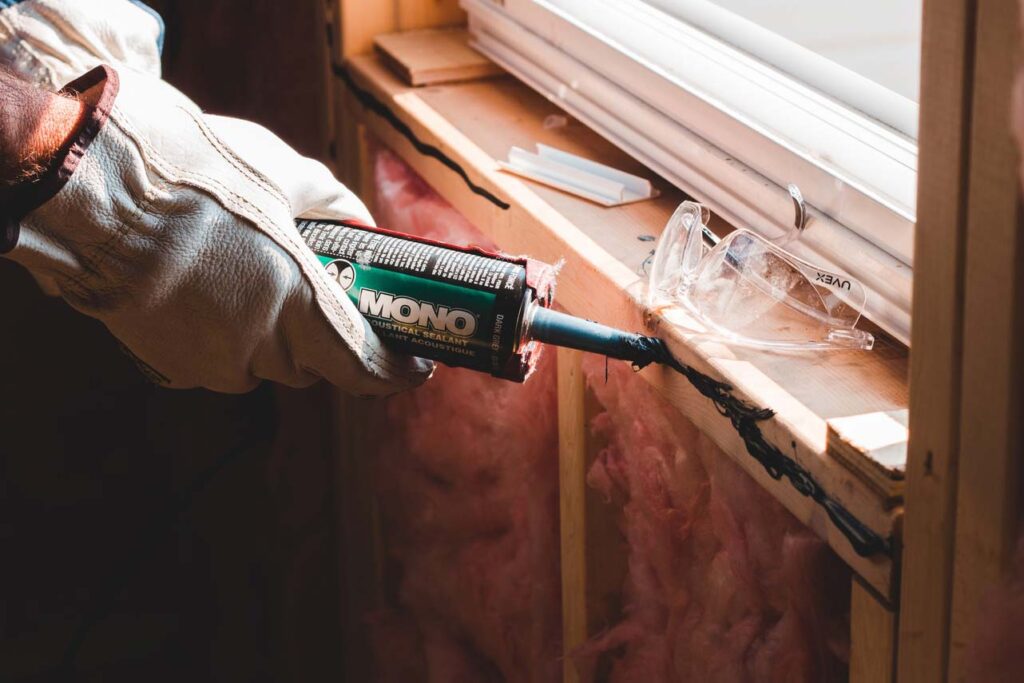
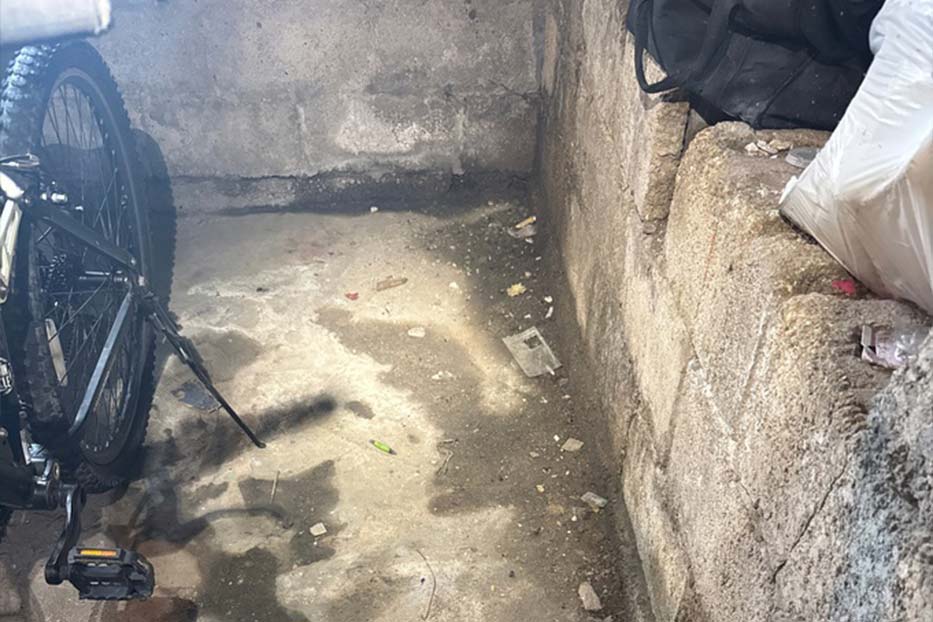
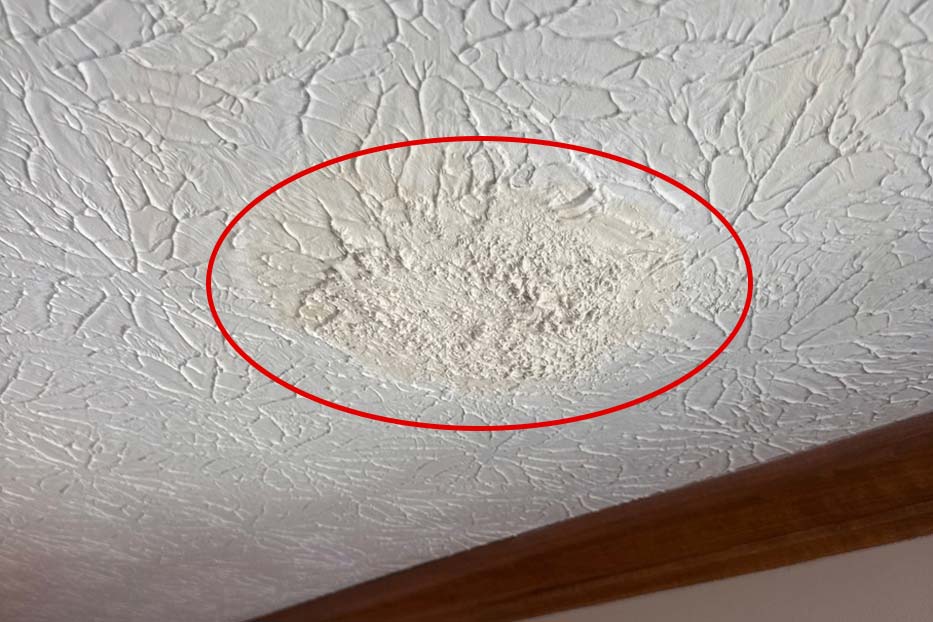
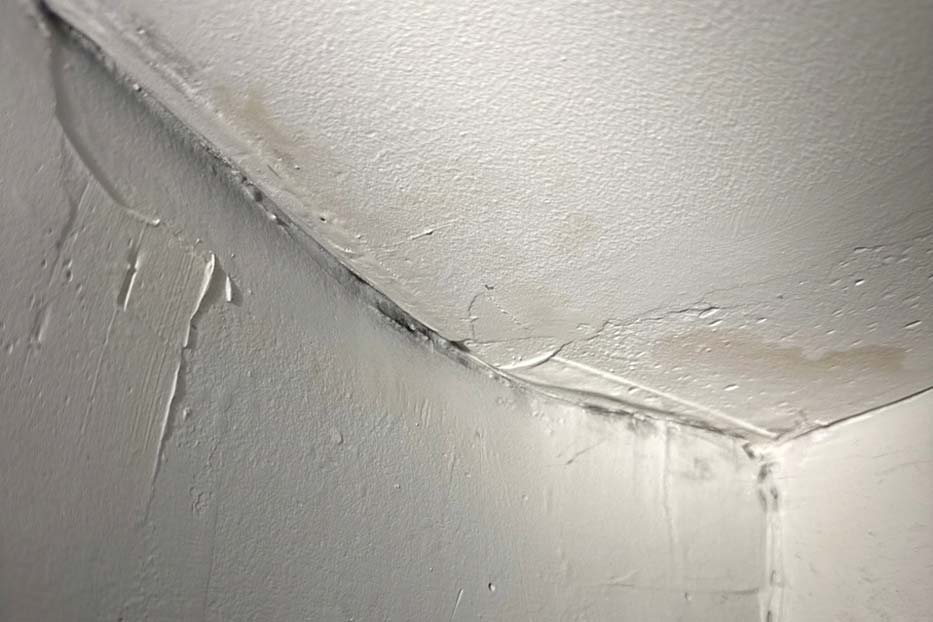
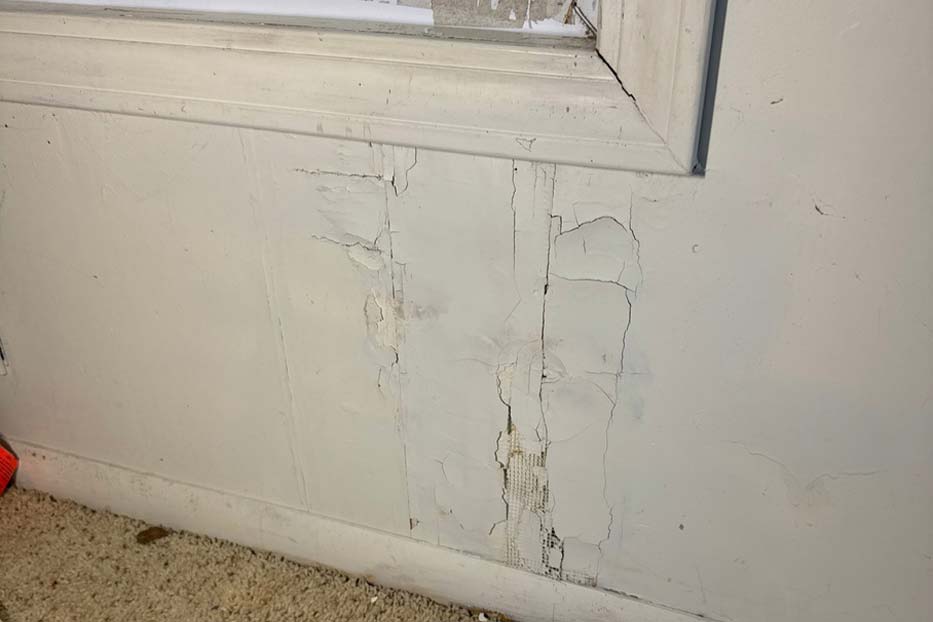
During home inspections throughout Central Ohio, I regularly see moisture entering homes through worn roof flashing, failed caulking around windows, foundation cracks, leaking plumbing connections, clogged gutters, and poor grading around the property.
Many homeowners focus on fixing the visible damage instead of finding the source of the moisture. Unfortunately, repairing a stain or replacing damaged materials won’t solve the problem if water continues to enter the home.
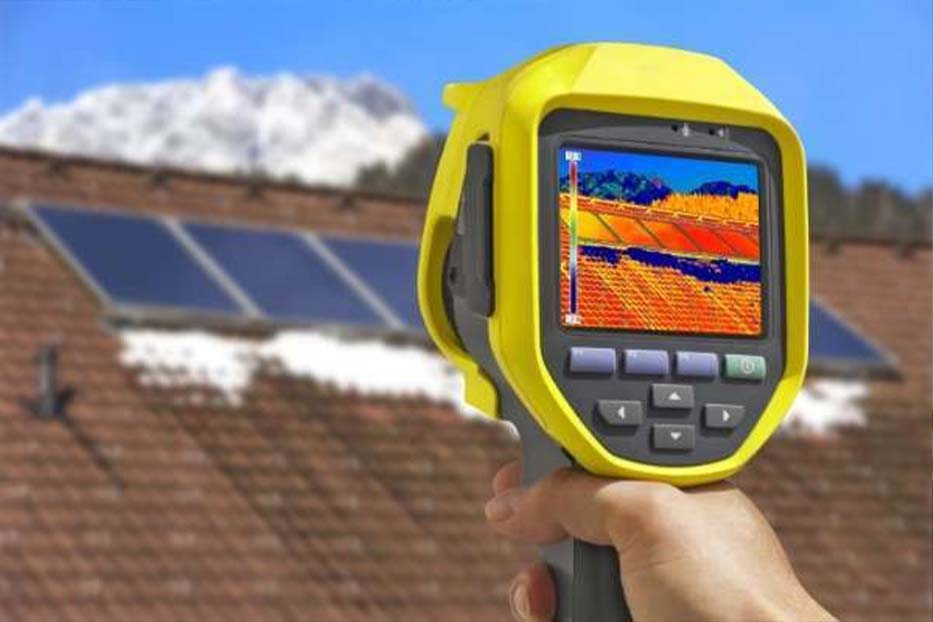
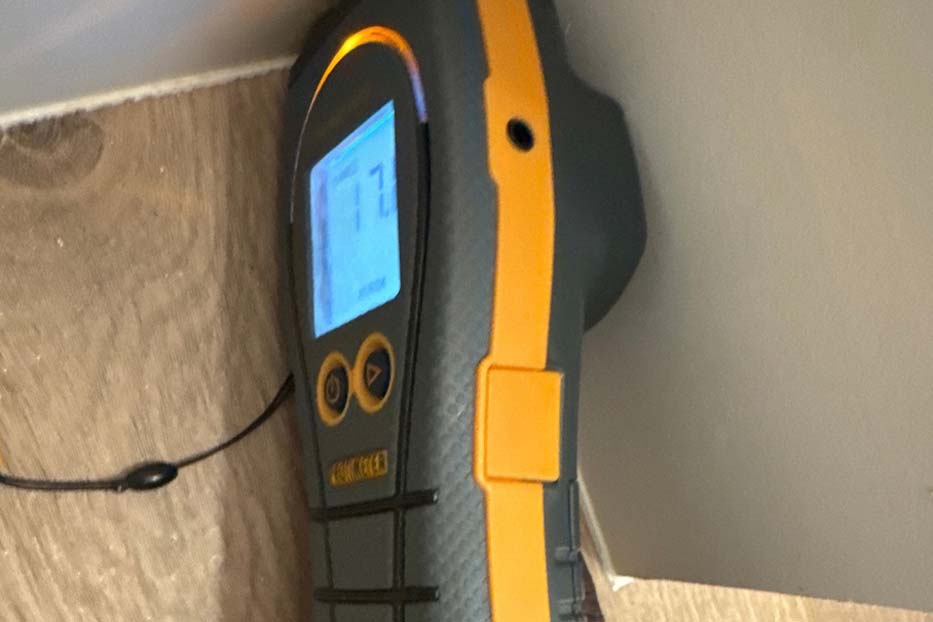
That’s why we use tools like moisture meters and thermal imaging during inspections. Stains don’t always tell the whole story. Sometimes moisture is hidden inside walls or ceilings long before visible damage appears. Thermal imaging can help identify suspicious temperature patterns, while moisture meters provide additional information when checking for elevated moisture.
I’ve learned that the sooner moisture problems are identified and properly addressed, the less expensive the repair usually becomes.
Homeowners are often surprised when I explain that several small repairs have combined to create one major problem.
That’s something I see every week.
Consider a few common examples:

A loose downspout is inexpensive to repair.

Foundation damage from poor drainage is costly.

Cracked window caulking is inexpensive to replace.

Hidden rotten framing can require costly repairs.
In each case, a manageable maintenance issue can eventually lead to damage that is more complicated and expensive to correct.
One of the best investments homeowners can make isn’t a major renovation. It’s staying consistent with regular maintenance before problems have the opportunity to grow.
For homeowners throughout Central Ohio, this means paying attention to roof conditions, gutters, exterior sealants, plumbing leaks, and drainage around the foundation. Routine maintenance cannot prevent every repair, but it can reduce the likelihood of avoidable damage.
Over the years, I’ve seen plenty of creative repairs.
Some homeowners use roofing tar where flashing should have been replaced. Others seal foundation cracks with caulk without addressing the drainage issue that caused the movement. I’ve even seen plumbing leaks wrapped with temporary materials that remained in place for years.
The problem with quick fixes is that they often hide the real issue instead of solving it. A repair might make an area look better temporarily while moisture, movement, or deterioration continues behind the surface.
During a home inspection, one of my goals is identifying where previous repairs may be covering a larger concern. Evidence of repeated patching, staining, or deterioration can sometimes indicate that the original problem was never properly corrected.
A professional repair doesn’t just improve appearance, it addresses the cause of the problem.
That’s an important difference buyers should understand, especially when evaluating a home that has undergone previous repairs or renovations.
One of the first things I tell many buyers is something they don’t always expect to hear.
Every home has defects.
I’ve inspected homes that were over one hundred years old, and I’ve inspected homes that were only a few months old. Every single one had items that needed attention.
Sometimes they’re small maintenance recommendations. Other times, they’re larger repair concerns that require additional evaluation or corrective work.
But no home is perfect.
A quality home inspection isn’t about trying to find a perfect house because one doesn’t exist. It’s about helping buyers understand the property’s actual condition, which issues deserve attention, and what future maintenance may look like.
In the Columbus and Central Ohio housing market, buyers may encounter everything from older homes with aging systems to newer properties with installation deficiencies. The important thing is understanding which findings are routine and which could affect safety, performance, or long-term repair costs.
One of the biggest surprises for many buyers is learning that a brand-new home isn’t automatically a defect-free home.
I’ve inspected newly constructed homes where I found missing attic insulation, improperly installed roof flashing, grading issues, plumbing leaks, HVAC deficiencies, and electrical concerns before the owners had even moved in.
Construction today moves quickly, and multiple contractors often work on the same project. Even when everyone is doing their best, details can be missed.
That’s why I always recommend a professional home inspection, regardless of the property’s age.
A new home may not have years of wear and tear, but that doesn’t mean every system was installed perfectly. A new construction home inspection helps buyers better understand the condition of the property before moving in and can identify concerns that should be discussed with the builder.
Finding those issues early gives homeowners the opportunity to address them before they become larger and more expensive problems.
One thing I’ve learned after thousands of inspections is that the word “defect” often creates unnecessary anxiety.
Many buyers hear that term and immediately think they should walk away from the property. But that’s rarely the right approach without first understanding the nature and seriousness of the finding.
Some defects require immediate attention because they affect safety or may lead to additional damage if left unaddressed.
Others are simply maintenance items that every homeowner eventually deals with.
Part of my job is helping buyers understand the difference.
An informed buyer makes better decisions than a fearful buyer. When you understand what a defect means, why it happened, how serious it is, and what the next steps should be, the buying process becomes much less stressful.
A home inspection report should help buyers prioritize concerns, recognize when further evaluation by a qualified specialist is appropriate, and make informed decisions about the property.
Knowledge creates confidence.
People sometimes ask me if a home “passed” the inspection.
The answer is simple: homes don’t pass or fail a standard home inspection.
Unlike a school exam, there isn’t a score at the end of a home inspection. Every property has strengths, and every property has weaknesses.
My responsibility isn’t to approve or reject a house. My responsibility is to provide an accurate picture of its condition so buyers, sellers, and homeowners can make informed decisions.
Sometimes that means identifying maintenance items. Sometimes it means recommending further evaluation by a qualified specialist. And sometimes it simply means explaining that a condition is typical for a home of that age.
A professional home inspection evaluates the condition of accessible systems and components within the inspection’s scope. It provides valuable information, but it isn’t a guarantee that every hidden or future problem will be discovered.
A quality inspection should leave buyers feeling educated, not overwhelmed.
One of the biggest changes I’ve witnessed during my career is the advancement of inspection technology.
When I first started in construction, inspectors relied almost entirely on what they could see with their eyes.
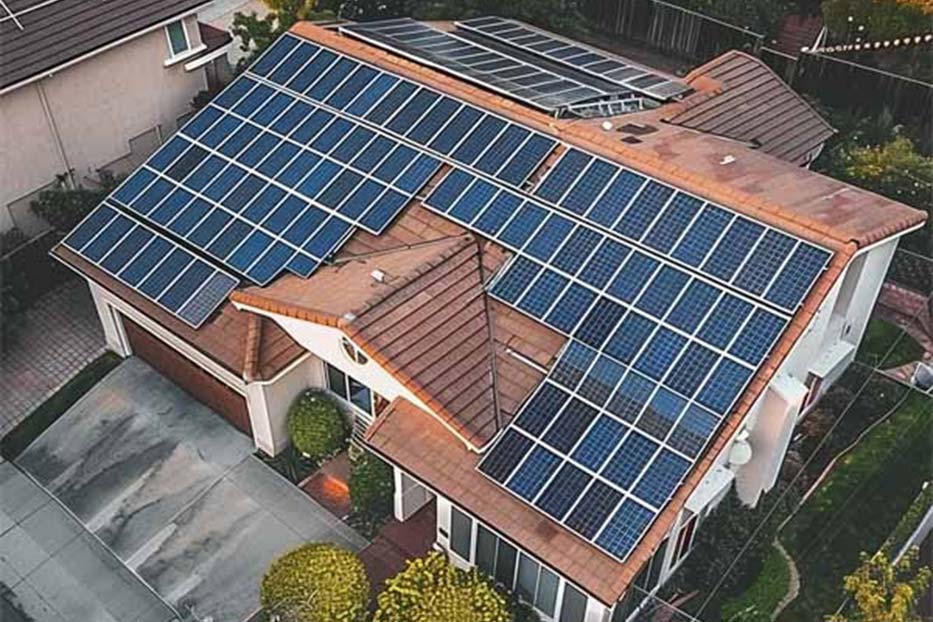
Today, we have tools that allow us to gather much more information without causing damage to the home.
These images can help document visible conditions, although a drone evaluation doesn’t replace a direct roof inspection when one can be safely performed.
These tools don’t replace experience. They support it.
Technology is only valuable when the inspector understands how to interpret the information correctly.
After thousands of inspections, I’ve learned that combining experience with modern technology provides homeowners with a much clearer understanding of their property’s condition.
After nearly 27 years of inspecting homes throughout Ohio, one lesson stands above all the others.

Homes are constantly changing.
Materials age.

Weather takes its toll.

Water finds weak points.

Mechanical systems wear out.
That’s simply part of homeownership.
The homeowners who experience the fewest costly surprises are usually the ones who stay ahead of maintenance, address problems early, and understand their home’s condition before small issues become major repairs.
Whether you’re buying your first home, preparing to sell, or simply maintaining the house you’ve owned for years, a professional inspection isn’t about finding reasons to worry.
It’s about giving you the information you need to make confident decisions.
At Home & Commercial Inspections, we’ve spent decades helping buyers, sellers, homeowners, and investors better understand their properties throughout Columbus and Central Ohio. Using experience, thermal imaging, moisture meters, drones, and a thorough inspection process, our goal has always been the same: provide clear, honest information that helps people protect one of their largest investments.
After thousands of inspections, I can confidently say this:
“Every home has a story. A professional inspection helps you understand that story before it becomes an expensive surprise.”

With nearly 27 years of inspection experience, HC Inspectors helps buyers and homeowners understand property conditions, identify potential concerns, and make informed decisions before small problems become costly repairs.
Learn more about common home inspection findings through our educational guides on Roofing, Foundations, Attics, Plumbing, Electrical Systems, and Crawl Spaces.
Common findings include roof and flashing defects, poor drainage around foundations, moisture intrusion, plumbing leaks, deteriorated caulking, insulation deficiencies, and electrical or HVAC concerns. The severity of these issues depends on the property’s age, condition, maintenance history, and installation quality.
Yes. New construction homes can have installation errors, missing insulation, drainage problems, plumbing leaks, and other defects. A professional inspection can help identify visible concerns before the buyer moves in, even when the home is newly completed.
No. A standard home inspection is an evaluation of the property’s condition, not a pass-or-fail examination. The inspector documents observed concerns and provides recommendations so buyers can better understand the property and decide what steps to take.
A professional home inspection helps buyers identify visible safety concerns, maintenance needs, and potential repair issues before purchasing a property. It provides valuable information for planning future maintenance, requesting further evaluations, and making confident purchasing decisions.
Licensed Certified Master Inspector
James Jones has nearly 30 years of experience performing home and commercial property inspections. He specializes in environmental testing, thermal imaging, drone inspections, and building performance assessments. As a member of the Board of Directors for the American Society of Home Inspectors (ASHI), he is committed to helping homebuyers, homeowners, businesses, and investors make informed property decisions through thorough inspections and clear, actionable reporting.